

Ria's Colony
Two women reading and talking on a sunlit terrace overlooking Table Mountain and the city below

The Colony Blog

Stories, updates and reflections from the world of Ria's Colony.

Trending tags
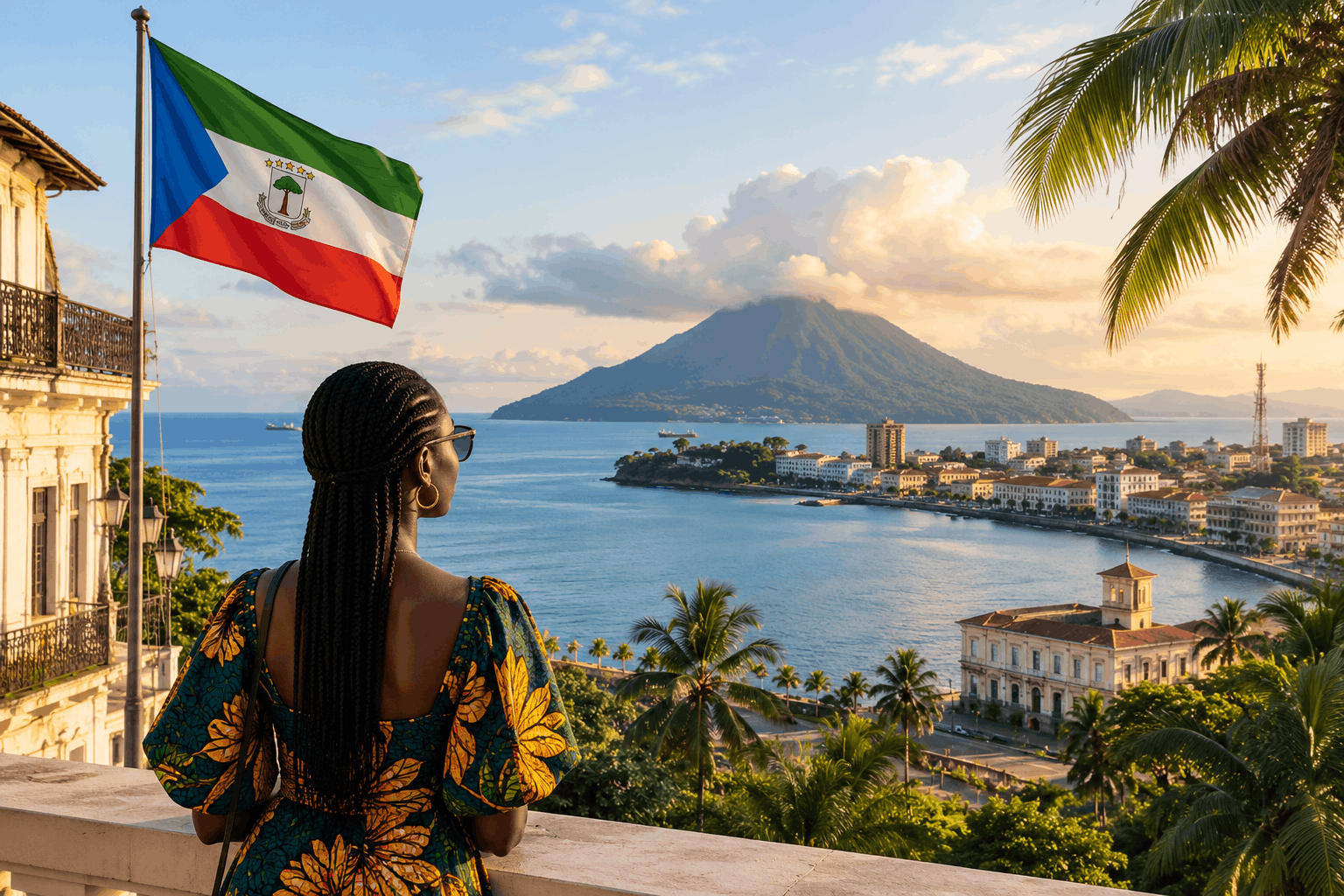
A Black woman in a colourful African print dress looks across a tropical waterfront in Equatorial Guinea, with the national flag, palm trees, colonial-era buildings and a volcanic mountain in the background.

September 23, 2026

Equatorial Guinea: Languages, Peoples, History and Culture

Explore Equatorial Guinea's history, Fang and Bubi cultures, Spanish language, food, religion, literature, oil boom and changing capital.

Read more
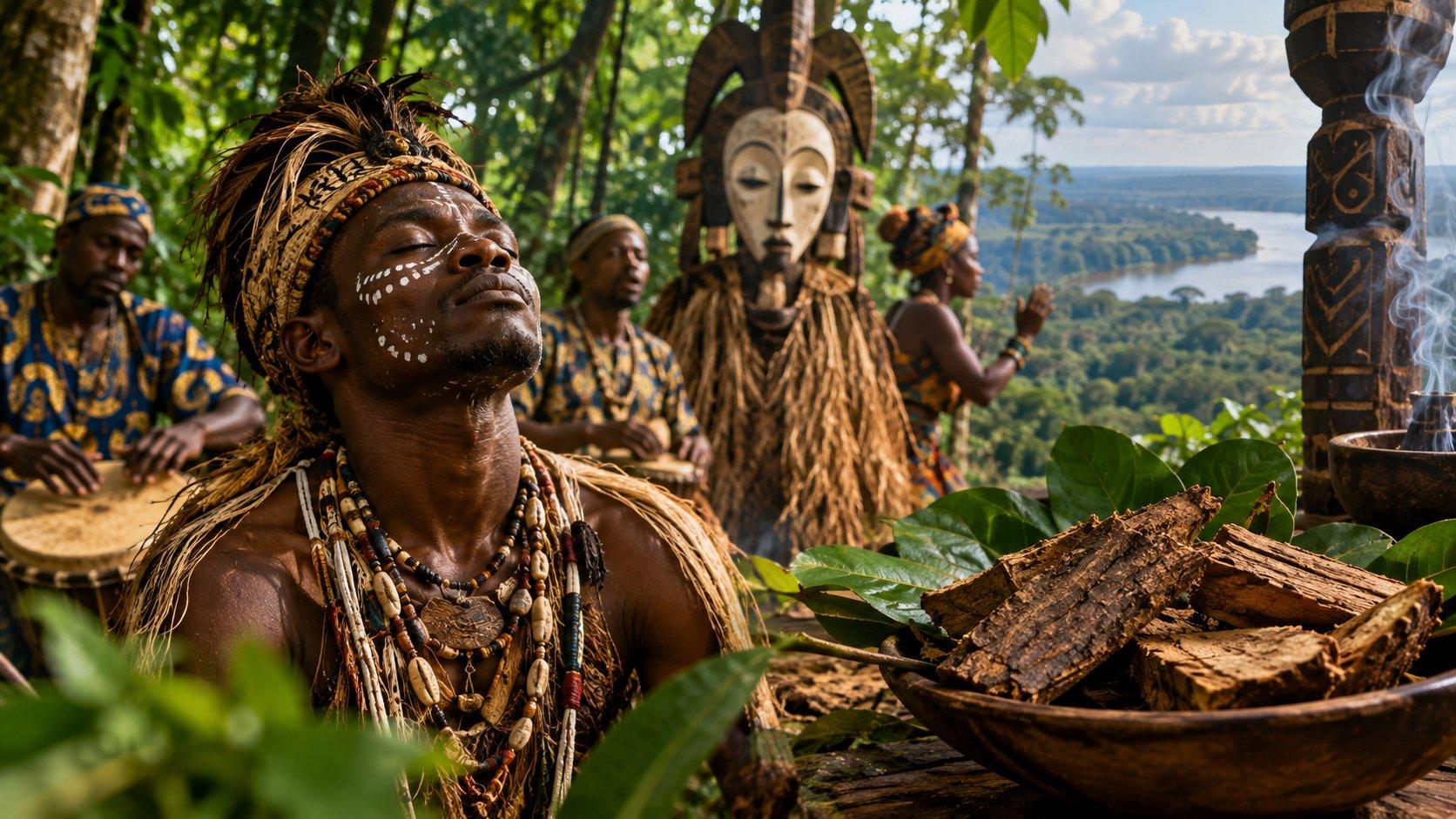
A Gabonese forest ceremony featuring a traditionally dressed initiate, musicians, a carved ceremonial figure, lush rainforest, and iboga root bark displayed in the foreground.

September 22, 2026

Gabon: The Forest That Gave Away Its Deepest Secret

Explore Bwiti in Gabon, from iboga and initiation to Mitsogho and Fang traditions, ancestral art, music, Punu masks and the forests that shaped them.

Read more
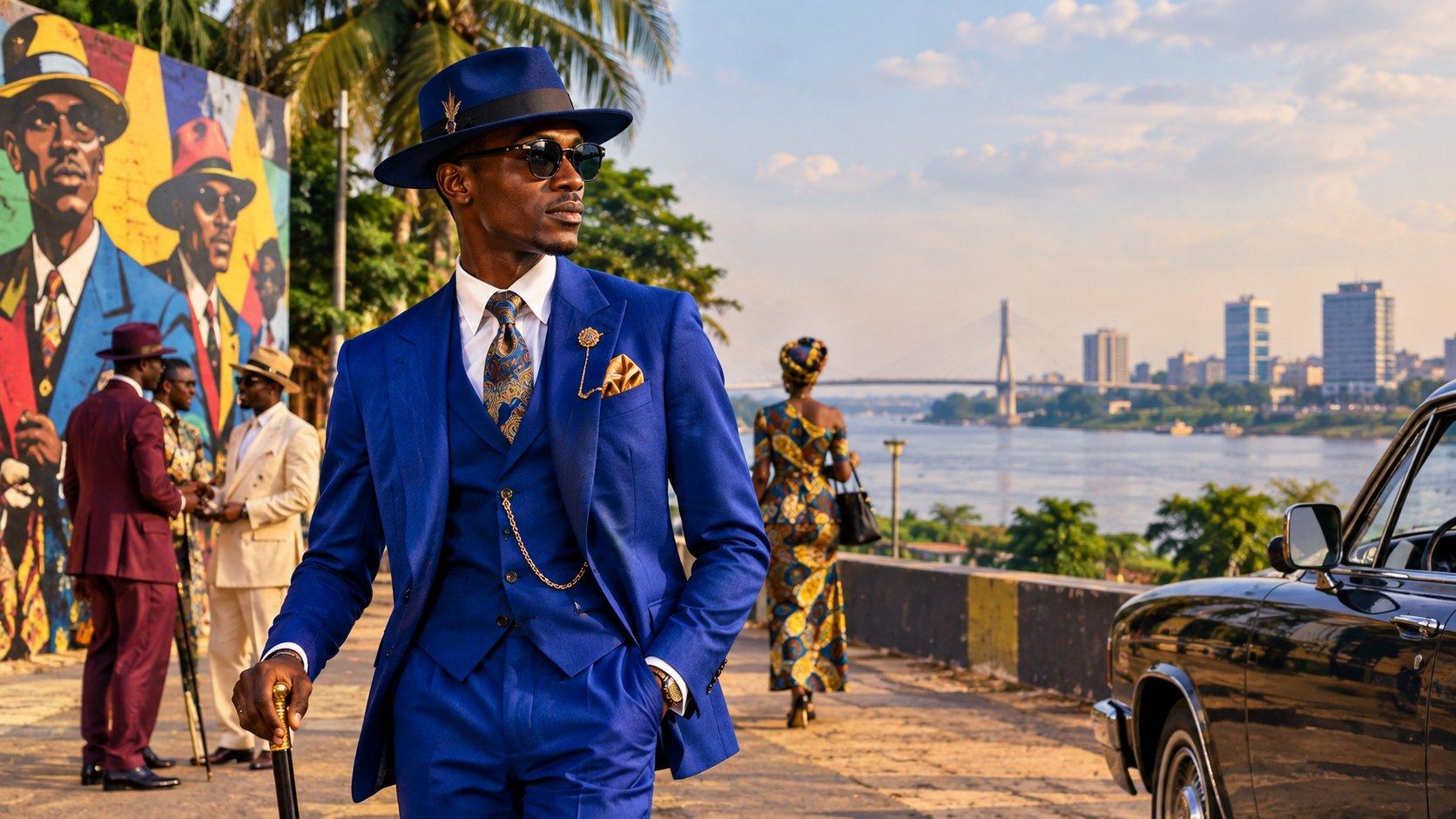
A stylish Congolese man in a vivid blue tailored suit, fedora and sunglasses stands on a Brazzaville riverside promenade, surrounded by elegantly dressed people, colorful street art, tropical greenery and the Congo River skyline, evoking the culture of La Sape.

September 22, 2026

When Dressing Sharp Became a Statement: The Story of La Sape in Congo

Discover the history of La Sape in Congo, from colonial-era clothing and migration to Congolese rumba, fashion, identity and modern Brazzaville.

Read more
create a featured image for this blog post, the image should have with little to no text,here is the blog post;   # DR Congo: The Story of Rumba, Memory and a Country Shaped by Many Histories  If you have ever heard Congolese rumba, you may have noticed how difficult it is to separate the music from movement. Congolese rumba is a style of music and dance that developed in the two Congos, especially in the cities of Kinshasa and Brazzaville. It is usually built around singing, guitars, percussion and dance. The songs can be romantic, political, humorous or about everyday life, and some can run for quite a while. The guitar is particularly important. In many songs, the vocals eventually give way to a longer guitar section called the *sebene*, where several guitar parts can work together while people dance. But Congolese rumba did not start in a recording studio in Kinshasa. Its history goes much further back. UNESCO traces it to *nkumba*, an older Central African dance whose name means “waist” in Kikongo. The story then crosses the Atlantic through the history of forced migration, reaches Cuba, and eventually comes back into Central African cities through recorded music. Congolese musicians took what they heard and developed it into their own style. UNESCO traces Congolese rumba to an older Central African dance called **nkumba**, a Kikongo word meaning "waist." The dance involved the movement of the waist and hips, and it was part of the cultural traditions of the peoples of the former Kingdom of Kongo. Over time, the music and dance developed into the form now known as Congolese rumba. UNESCO added Congolese rumba to its Representative List of the Intangible Cultural Heritage of Humanity in 2021. But there is another part of the story. The Atlantic slave trade forcibly took millions of Central Africans to the Caribbean, including Cuba. They carried their music, dances, languages and religious traditions with them. In Cuba, these traditions developed alongside Spanish and other Caribbean influences, producing different musical forms, including son. By the 20th century, Cuban music was being recorded and those records began reaching Central Africa. Musicians in the Congo listened to the recordings and started experimenting with what they heard. They used the guitars and musical structures they liked, but they also brought in their own languages, instruments, rhythms and dance traditions. That is part of how the music that became Congolese rumba developed in the cities of the Congo. To understand why the music sounds the way it does, though, you have to look beyond the music itself, because the story takes you into the history of the people and places that shaped it.  ## A Huge Country With Many Histories  The Democratic Republic of Congo is enormous. At more than 2.3 million square kilometres, it is the second-largest country in Africa by land area, after Algeria. The equator crosses the country, the Congo River runs through its centre, and the landscape changes dramatically from one region to another. There are dense tropical forests, broad savannas, mountains, rivers and large lakes. More than 100 million people live across this territory, and more than 200 ethnic groups are represented in the country. So when someone says "Congolese culture," there is a lot packed into those two words. A person from Kinshasa does not necessarily have the same cultural background as someone from Goma, Kananga, Lubumbashi or Kisangani. Different communities have their own histories, languages, food, artistic traditions and social practices. The country also has hundreds of languages. French is the official language and is widely used in government, education and formal settings. Four languages have national-language status: **Lingala, Swahili, Tshiluba and Kikongo-Kituba**, also known as Kituba. Lingala is especially prominent in Kinshasa and has a strong connection with Congolese popular music. Swahili is widely spoken in eastern Congo. Tshiluba is particularly important in the Kasai region, while Kikongo and Kikongo-Kituba are important in western and southwestern parts of the country. Someone's language can tell you a lot about where they grew up and the communities around them. The country's size also meant that different societies developed their own political systems long before there was a country called the Democratic Republic of Congo.  ## Before Belgium  There was no single state covering the territory of today's DRC before European colonial rule. There were kingdoms, chiefdoms and other political communities, each with their own systems of authority. The **Kingdom of Kongo** was one of the most prominent. At its height, it covered parts of what are now Angola, the Republic of Congo, the DRC and Gabon. Portuguese sailors reached the Kongo kingdom at the end of the 15th century, beginning a relationship that lasted for centuries. The Portuguese brought Christianity and developed diplomatic and commercial relationships with Kongo rulers. Some members of the Kongo royal family converted to Christianity, and Christianity became part of the kingdom's political and religious life. King Afonso I, who ruled in the early 16th century, was a Christian and corresponded with the Portuguese king. Trade was another major part of the relationship. At first, Kongo and Portugal had diplomatic and commercial interests that could benefit both sides. Over time, however, the Atlantic slave trade became increasingly important. People were captured and sold, political relationships became more unequal, and Portuguese influence in the region grew. So Christianity was already present in parts of Central Africa centuries before Belgium established colonial rule over the Congo. The Kingdom of Kongo was not the only major political society in the region. The **Luba** developed powerful states in central Congo, while the **Kuba** built a highly organised kingdom further west. Both left behind artistic traditions that are still studied today.  ## When History Is Kept in Objects  The Luba have a particularly interesting way of preserving historical knowledge. It involves a small carved wooden object called a **lukasa**. At first glance, a lukasa can look like a decorated board covered with beads and markings. It is much more than that. The markings can represent places, people, political relationships and events. Members of the Mbudye association were trained to interpret the boards and use them when recounting Luba history and political knowledge. The Metropolitan Museum of Art describes the lukasa as a kind of conceptual map of Luba political organisation, historical chronicles and territory. The Kuba developed a different artistic tradition using raffia. Kuba textiles are made from raffia palm fibre and can involve weaving, embroidery and appliqué. Some are relatively simple. Others have elaborate geometric patterns and designs. The cloth has been used for clothing, ceremonial purposes, prestige objects, marriage-related exchanges and funerary practices. Textile production could also be collaborative, with men weaving the basic cloth and women adding decorative elements. These objects give us another way to understand societies whose histories were not recorded mainly through European-style written documents. A piece of cloth could show a person’s status or mark an important occasion. A memory board could help preserve knowledge about political history. People also passed knowledge down by telling stories, teaching younger people about their families, important events, customs, and the history of their communities. Songs could carry those stories too, allowing people to remember and pass them on from one generation to the next.  ## Christianity Was Already Here  Christianity has a long history in the Congo that goes back centuries before Belgian colonial rule. In the Kingdom of Kongo, Christianity was adopted by the royal court in the late 15th century, during the reign of King Nzinga a Nkuwu, who was baptized in 1491. Christian communities and institutions developed in the kingdom over the following centuries. Christianity later spread in different forms across Central Africa. European missionaries established churches and schools, while African Christians shaped the religion within their own communities and created their own movements. One of the best-known examples in the Congo was Simon Kimbangu. In 1921, he began preaching in the Lower Congo and attracted a growing number of followers. He became known for preaching and for healing people through prayer. Belgian colonial authorities viewed the movement as a threat and arrested him. He was sentenced to life imprisonment and spent the rest of his life in prison, where he died in 1951. His followers continued the movement after his arrest and death. It eventually became the Kimbanguist Church, one of the major African-initiated Christian churches in the Democratic Republic of the Congo. Christianity is now a major part of religious life across the country. The Catholic Church has a large presence, alongside Protestant, Anglican, Pentecostal and other independent African churches. There are also older religious traditions with their own histories. Among Kongo peoples, for example, **minkisi** are objects that are understood to contain or channel spiritual power. They have been used in different contexts, including healing, protection and oath-taking, with their meaning depending on the particular object and tradition. Religious life in the Congo has therefore developed through many centuries of change. Christian churches, African-initiated movements and older religious traditions have all formed part of that history, with different communities practising and understanding them in different ways.      ## Leopold II's Congo  European control of the Congo took a harsher form in the late 19th century, when King Leopold II of Belgium established the **Congo Free State** in the 1880s as his personal possession. It was not initially a Belgian colony, even though Leopold was the king of Belgium. Leopold's administration focused heavily on extracting the territory's resources, particularly ivory and rubber. As international demand for rubber grew, Congolese communities were subjected to increasing pressure to collect it. Forced labour became part of the system, and people who failed to meet production demands could face punishment, including violence. Missionaries, travellers and other observers began reporting the abuses taking place in the territory. Their accounts, along with photographs and other evidence, contributed to growing international criticism of Leopold's administration. The Congo eventually became the subject of a major international campaign calling attention to the treatment of its population. In 1908, after years of criticism and growing international pressure, Belgium took control of the territory from Leopold and established the **Belgian Congo**. The U.S. Department of State records that the annexation followed widespread reports of mistreatment and international outrage. Millions of people died during the Congo Free State period, although historians cannot establish one precise death toll. There was no reliable population census before the period of mass exploitation, and deaths resulted from several causes, including violence, forced labour, disease, hunger and the disruption of communities. The transfer from the Congo Free State to the Belgian Congo ended Leopold's personal rule, but it did not give Congolese people political control over their own country. Belgium continued to govern the territory as a colony until the Congo became independent in 1960.  ## Life Under Belgian Rule  Belgian colonial rule lasted until 1960. During that period, the administration built roads and other infrastructure and established schools, hospitals and other institutions, but these developments took place within a colonial system in which Europeans held most of the political and administrative power. Education was also tightly controlled, especially at higher levels. By the time the Congo became independent, very few Congolese people had received university education or had been given the opportunity to prepare for senior positions in government. At the same time, Congolese cities were growing and changing. Léopoldville, which later became Kinshasa, developed into a major urban centre where workers, traders, religious groups, political organisers and musicians came into contact with one another and built new social networks. Music became part of everyday city life. Records from abroad circulated through Léopoldville, local musicians formed bands, and dance halls became places where people gathered to listen to music, dance and socialise. It was in this growing urban environment that modern Congolese rumba began to take shape.  ## From Central Africa to Cuba and Back  The history of Congolese rumba reaches back to Central African musical traditions and to the movement of people and music across the Atlantic. During the Atlantic slave trade, millions of Central Africans were forcibly taken to the Americas, including Cuba. They carried their languages, religious practices, music and dance traditions with them. In Cuba, these African traditions developed alongside Spanish and other Caribbean influences. Several musical forms emerged from this environment, including **son**, which later became widely influential in Cuba and beyond. By the 20th century, recordings of Cuban music were reaching Central Africa. Musicians in the Congo listened to these records and began working with some of the sounds and musical structures they heard. They played them with their own instruments, sang in Lingala and other local languages, and connected them with Central African rhythms and dance traditions. As musicians experimented with these different influences, the music developed into a style that suited the growing urban audiences of Kinshasa and Brazzaville. There was also an older Central African tradition behind this history. UNESCO traces Congolese rumba to **nkumba**, an older dance tradition whose name means “waist” in Kikongo. Over time, the music developed into the form now known as Congolese rumba, a genre and dance tradition shared by the Democratic Republic of the Congo and the Republic of the Congo. By the middle of the 20th century, Congolese musicians had developed a sound of their own. Some songs were slow and romantic, while others were built for dancing. The guitar became especially important, with songs often moving from sung sections into longer instrumental passages in which the musicians could build the rhythm and give dancers more room to move. The growing cities of Kinshasa and Brazzaville gave this music a large audience and a place to develop.  ## The Sound of a New Congo  One of the most important bands of the independence era was **African Jazz**, led by Joseph Kabasele. Kabasele recorded **"Indépendance Cha Cha"** in 1960, around the time the Congo became independent from Belgium. The song became associated with the independence period and circulated widely across Africa. It was not the only important band. **OK Jazz**, led by Franco Luambo, became another major force in Congolese music. Franco's career stretched across several decades, and his band helped establish guitar-driven Congolese music as a major sound across Africa. Another feature of Congolese music became known as **sebene**. This is the part of a song where the guitars become more prominent and the instrumental playing gives dancers more room. Several guitarists can interlock their parts, creating the long, repeating patterns that became a familiar feature of Congolese popular music. Congolese bands became influential outside the country too. Musicians travelled. Records circulated. Other African musicians listened and borrowed from Congolese guitar styles. The music spread across the continent. In 2021, UNESCO formally recognised Congolese rumba as part of the world's intangible cultural heritage. The organisation describes it as music used for celebrations, mourning and other social occasions, and notes that it is passed from one generation to another through families, neighbourhoods, clubs, training schools and community organisations.  ## Independence and Lumumba  The Congo became independent on **30 June 1960**, but independence came with serious political and institutional problems. The Belgian colonial government had left very few Congolese people with experience in senior administrative or military positions, and the army mutinied shortly after independence. Katanga then declared its independence, while political tensions spread across the country. **Patrice Lumumba**, the Congo's first prime minister, became one of the central figures in the crisis. His government was removed from power, and Lumumba was eventually captured and transferred to Katanga. He was killed there on **17 January 1961**, along with two of his associates, Maurice Mpolo and Joseph Okito. A United Nations investigation later concluded that the three men had been killed shortly after arriving in Elisabethville, in the presence or probable presence of senior Katangan officials. The circumstances surrounding Lumumba's removal and death also involved foreign actors. Belgian government authorities and Belgian advisers in Léopoldville supported the transfer of Lumumba to Katanga. A Belgian parliamentary inquiry published in 2001 concluded that certain Belgian officials and other Belgian participants were morally responsible for the circumstances that led to his death, while also finding no evidence that the Belgian government had directly ordered his physical elimination. The United States was also involved in efforts to remove Lumumba from power. CIA officials developed an assassination plan in 1960, but the historical record does not establish that the CIA carried out or directly participated in his killing. A U.S. Senate investigation and later reviews by the Office of the Historian concluded that CIA representatives in the Congo were not involved in Lumumba's death. Lumumba's death became one of the defining events of the Congo's early independence period. It took place during a wider crisis involving Congolese political divisions, the breakaway of Katanga, foreign intervention and the struggle over who would control the new country.  ## Mobutu's Zaire  In 1965, **Mobutu Sese Seko** took power and went on to rule the country for more than three decades. In 1971, he changed the country's name to **Zaire** and introduced a political and cultural programme known as *authenticité*. The programme encouraged people to embrace African names, clothing and cultural practices and to move away from some symbols associated with European colonial rule. At the same time, Mobutu built a highly centralised political system in which opposition was restricted and political loyalty played an important role in access to government positions and state resources. Corruption became deeply established within the state, while much of the country's political and economic power remained concentrated around Mobutu and those close to him. Mobutu's government also became an important Cold War ally of the United States and other Western countries because of its opposition to communist movements in Central Africa. That support continued for much of the Cold War, even as Mobutu's domestic rule became increasingly authoritarian. The situation began to change in the early 1990s. The Cold War was ending, which reduced the strategic importance that Zaire had held for its Western allies, while the country's economic problems and domestic political opposition were growing. Mobutu faced increasing pressure to introduce political reforms, and his government became less able to maintain the system that had kept him in power for so long. Then, in 1994, the genocide against the Tutsi in neighbouring Rwanda changed the regional situation. The aftermath of the genocide brought large numbers of refugees and armed groups into eastern Zaire, creating new security and political tensions along the country's border with Rwanda. Those tensions would soon become part of a much larger conflict.        ## The Wars in Congo  In 1994, the genocide against the Tutsi in Rwanda killed more than 800,000 people, most of them Tutsi and moderate Hutu, according to the United Nations. After the genocide, large numbers of people fled into what was then Zaire. Among them were members of the former Rwandan government and armed forces, as well as people who had participated in the genocide. Some of the former Rwandan soldiers and armed groups regrouped in eastern Zaire and launched attacks against the new Rwandan government from across the border. Rwanda became increasingly concerned about the armed groups operating so close to its territory, while the presence of refugees and armed forces in eastern Zaire added to tensions that had already existed in the region. In 1996, Rwanda and Uganda supported a coalition of Congolese rebels led by **Laurent-Désiré Kabila**. The coalition launched an offensive against Mobutu's government, and the First Congo War ended in 1997 when Mobutu was forced from power. Kabila became president and restored the country's name from Zaire to the **Democratic Republic of the Congo**. The change of government did not bring an end to the fighting. In 1998, Kabila fell out with Rwanda and Uganda, and another rebellion began in the east. This time, the conflict drew in several countries. Angola, Zimbabwe and Namibia supported Kabila's government, while Rwanda and Uganda supported rebel groups operating against it. The fighting spread across large parts of the country and became known as the **Second Congo War**. A formal peace agreement brought the Second Congo War to an end in 2003, although armed conflict continued in parts of eastern Congo. The human cost was enormous. A major International Rescue Committee study estimated that about **5.4 million excess deaths occurred between August 1998 and April 2007**. Most of these deaths were not caused by people being killed directly in combat. Disease, hunger, displacement and the collapse of basic healthcare accounted for much of the additional mortality. The wars also left behind armed groups, displaced communities and unresolved political and territorial disputes, particularly in eastern Congo. Those problems would continue to shape the country's history long after the formal end of the Second Congo War.  ## Why Fighting Has Continued in the East  Eastern Congo has remained unstable because several conflicts and interests overlap there. Communities have disputes over land and political authority, while armed groups have different aims and sources of support. Some conflicts begin locally but become connected to national politics or to the interests of neighbouring countries. Rwanda, Uganda and other countries in the region have also been involved in Congo's conflicts at different points. Natural resources are another part of the picture. Eastern Congo has deposits of gold, tin, tantalum and other valuable minerals, and armed groups have made money from mining, taxation and trafficking. Mineral trading has provided income that has helped some armed groups maintain their operations. The causes of the conflict, however, extend beyond the mineral trade. Questions about who can own or use land, who has political authority, who is recognised as a citizen, and how communities protect themselves have all contributed to tensions in the region. These issues have also been shaped by decades of war, displacement and cross-border conflict.  ## M23  One of the armed groups that has received significant international attention in recent years is **M23**, short for the March 23 Movement. The group first became prominent in 2012, when it captured territory in eastern Congo before being defeated by Congolese and United Nations forces later that year. M23 re-emerged in 2021 and has since captured territory in North Kivu, fighting the Congolese army and other armed groups. Rwanda's involvement has become one of the central international issues surrounding the conflict. The United Nations has documented military support from Rwanda for M23, and in February 2025 the UN Security Council called on Rwanda to stop supporting the group and withdraw its forces from Congolese territory. Rwanda has disputed aspects of these accusations and has repeatedly pointed to the threat posed by the **FDLR**, an armed group operating in eastern Congo that includes members and descendants of forces associated with the 1994 genocide in Rwanda. The fighting has continued into 2026, alongside diplomatic efforts to reach agreements and improve humanitarian access. United Nations reporting has described continued confrontations between armed groups and Congolese forces, while negotiations have taken place alongside efforts to establish ceasefires and humanitarian arrangements. The **AFC**, a political-military alliance associated with M23, has also established parallel administrative structures in areas under its control. UN sanctions information describes the AFC as allied with M23 and providing political, logistical and operational support. The effects of the fighting are felt most directly by civilians. United Nations reporting recorded high levels of grave violations against children in 2025 and identified AFC/M23 forces and Rwandan forces among the actors contributing to those violations. Continued fighting and displacement have also disrupted access to homes, farms, schools, healthcare and other basic services across affected communities in eastern Congo.      ## The Forest Communities of Congo  The DRC is also home to several forest-dwelling communities that are often grouped under the name **Mbuti**. The term refers to several different communities rather than one single ethnic group, and their languages, histories and ways of life are not all the same. For many of these communities, the forests of the Congo Basin have long been an important source of food, knowledge and livelihoods. Hunting, fishing and gathering forest plants have been part of life for some communities, alongside farming and other activities. People have also developed detailed knowledge of the plants, animals and places around them and passed that knowledge down through generations. Life in the forest has become more difficult in some areas. Armed conflict has displaced communities from their homes and disrupted access to forest resources, while conservation projects have sometimes restricted where local people can live, hunt, gather or farm. The effects vary between communities and locations, but these changes have raised ongoing questions about how forest conservation can be carried out while also recognising the rights and livelihoods of people who have long depended on the forest. Those questions matter beyond the DRC because the country contains a large part of the **Congo Basin rainforest**, one of the world's major tropical forest regions. The forest supports millions of people across Central Africa and plays an important role in regional ecosystems and the global climate.  ## What People Eat  Food in the DRC varies across the country, but cassava is one of the most important staples. It can be prepared in several ways, including as **fufu**, a soft, dense food that is commonly eaten with soup or stew. Plantain, maize, rice and beans are also widely eaten, while fish is especially important in communities along the Congo River and around the country's lakes. Cassava leaves are used in another familiar dish, **pondu**, also known as saka-saka. The leaves are prepared and cooked into a thick stew, with recipes varying from one household and region to another. Palm oil, onions and spices are common additions, while fish, meat or other ingredients may also be included. Palm nuts are used in **moambe**, another well-known dish in the region. The nuts are processed into a rich sauce that is often cooked with chicken and served with rice, fufu or other staples. Groundnuts also appear in many Congolese dishes, adding another flavour and source of protein to meals. Because the DRC is so large, there is no single way of describing Congolese food. What people eat depends partly on what grows locally, what can be caught or farmed, and what is available in markets. A community near a river may have easier access to fish, while farming communities further inland may rely more heavily on crops such as cassava, maize and plantain. In Kinshasa, people from different parts of the country have brought their food traditions together, so the city's markets and restaurants reflect many of these regional influences.  ## Dressing Up in La Sape  Walk through parts of Kinshasa or Brazzaville and you may come across people dressed in suits that are impossible to miss. Bright colours. Carefully chosen shoes. Hats. Pocket squares. Sunglasses. Tailoring that is meant to be noticed. This is **La Sape**. The name comes from *Société des Ambianceurs et des Personnes Élégantes*, and people involved in the movement are known as **sapeurs**. La Sape developed in both Kinshasa and Brazzaville and later became closely connected with Congolese communities in France. For a sapeur, clothing is not just something to put on before leaving the house. The combination of colours, brands, tailoring and accessories is part of the performance. The movement has been associated with elegance, creativity, identity and social status. For some sapeurs, dressing well is also connected to dignity and the desire to present oneself differently from the circumstances around them. For some sapeurs, the clothing itself is the focus. Carefully chosen suits, shoes, hats and accessories are used to express personal taste, creativity and attention to appearance. For others, dressing well can also carry ideas about dignity, identity, status or how they want to be seen in society.  ## Why Congolese Music Travels So Far  Congolese musicians have influenced popular music across Africa for decades, and a lot of that influence came through the music industry that developed in Kinshasa and Brazzaville. By the middle of the 20th century, these cities had become important centres for recording, live performance and dance music. Musicians travelled to perform in other African countries, and their records circulated well beyond the two Congos. The sound itself also made Congolese music easy to recognise. Guitars became one of its defining features, with musicians using several guitars at the same time rather than relying on one guitar to do everything. The bass could keep the underlying rhythm while rhythm and lead guitars played different patterns over it. During the **sebene**, the instrumental section that often comes after the sung part of a rumba song, the guitars could become more prominent and give dancers a longer section to move to. Language helped the music travel as well. **Lingala** became one of the main languages of Congolese popular music, particularly in Kinshasa, and songs in Lingala reached listeners in other parts of Africa who did not necessarily speak French. The music could therefore cross linguistic and national borders through records, radio, concerts and later other forms of media. The sound also kept changing. Congolese musicians developed new styles from rumba, including **soukous**, and later generations brought in electric instruments, new recording techniques and influences from other parts of Africa, Europe, the Caribbean and the United States. Some musicians stayed close to older rumba traditions, while others pushed the music in new directions. That is why Congolese popular music cannot be tied to one particular period. The music that filled dance halls in the middle of the 20th century was already different from the music that came before it, and musicians continued changing the sound as new audiences, technologies and musical influences appeared.  ## A Country Whose History Is Still Being Made  It is easy to encounter the DRC through one part of its history at a time: the Congo Free State, Lumumba, Mobutu, the Congo wars, M23, its mineral resources or its forests. Those histories are part of the country, but they are not the whole of everyday life. Someone living in Kinshasa today might go to church on Sunday, speak Lingala with friends, eat pondu at home, listen to rumba, follow music from other parts of the world online, work in an office and have family connections to another part of the country. Someone living in eastern Congo may have a very different daily experience, shaped by the history and conflicts of the region. In Kasai, Tshiluba is widely spoken, while communities in the west have their own connections to Kongo history and traditions. Forest communities have developed their own relationships with the forests and the resources around them. These experiences sit alongside one another within the same country, and culture is one of the places where different parts of that history can be seen. Congolese rumba is a good example. Its history reaches back to Central African traditions associated with **nkumba**, a dance whose name means “waist” in Kikongo. Central Africans were then forcibly taken across the Atlantic during the slave trade, carrying their music and other cultural traditions with them. In Cuba, those traditions developed alongside European and Caribbean influences, contributing to musical forms such as son. Cuban recordings later reached Central African cities, where Congolese musicians adapted what they heard to their own languages, instruments, rhythms and audiences. The result was the music now known as Congolese rumba, which developed in the two Congos and became one of the most influential forms of popular music in Africa. It is still performed at weddings, parties, concerts and other gatherings, while new musicians continue to record and reinterpret it. UNESCO added Congolese rumba to its Representative List of the Intangible Cultural Heritage of Humanity in 2021. The same process can be seen in other parts of Congolese culture. Older languages are still spoken, religious traditions have continued to develop, food traditions have moved between regions, and artistic practices have been passed between generations. People have inherited these things, adapted them to their own lives and created new forms from them. That is what makes the history of the DRC so broad. The country carries the marks of many different periods, communities and places, and those histories continue to appear in the way people speak, eat, worship, dress, make music and live today.

September 22, 2026

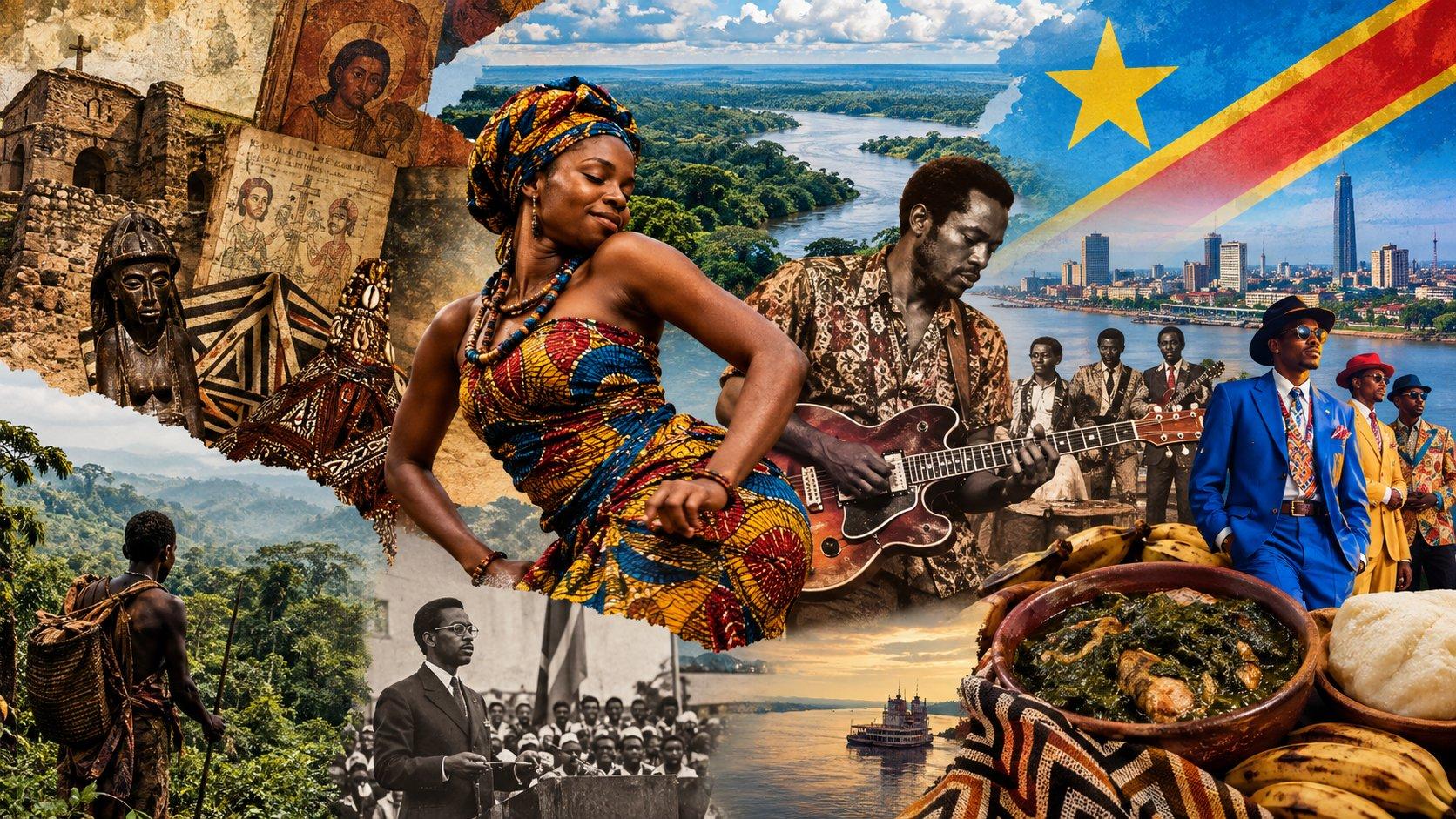
The DRC: How Congolese Rumba Carries a Country’s History

Explore the history of Congolese rumba, from Central African traditions and Cuba to Kinshasa, and discover how music connects to the DRC’s wider history and culture.

Read more
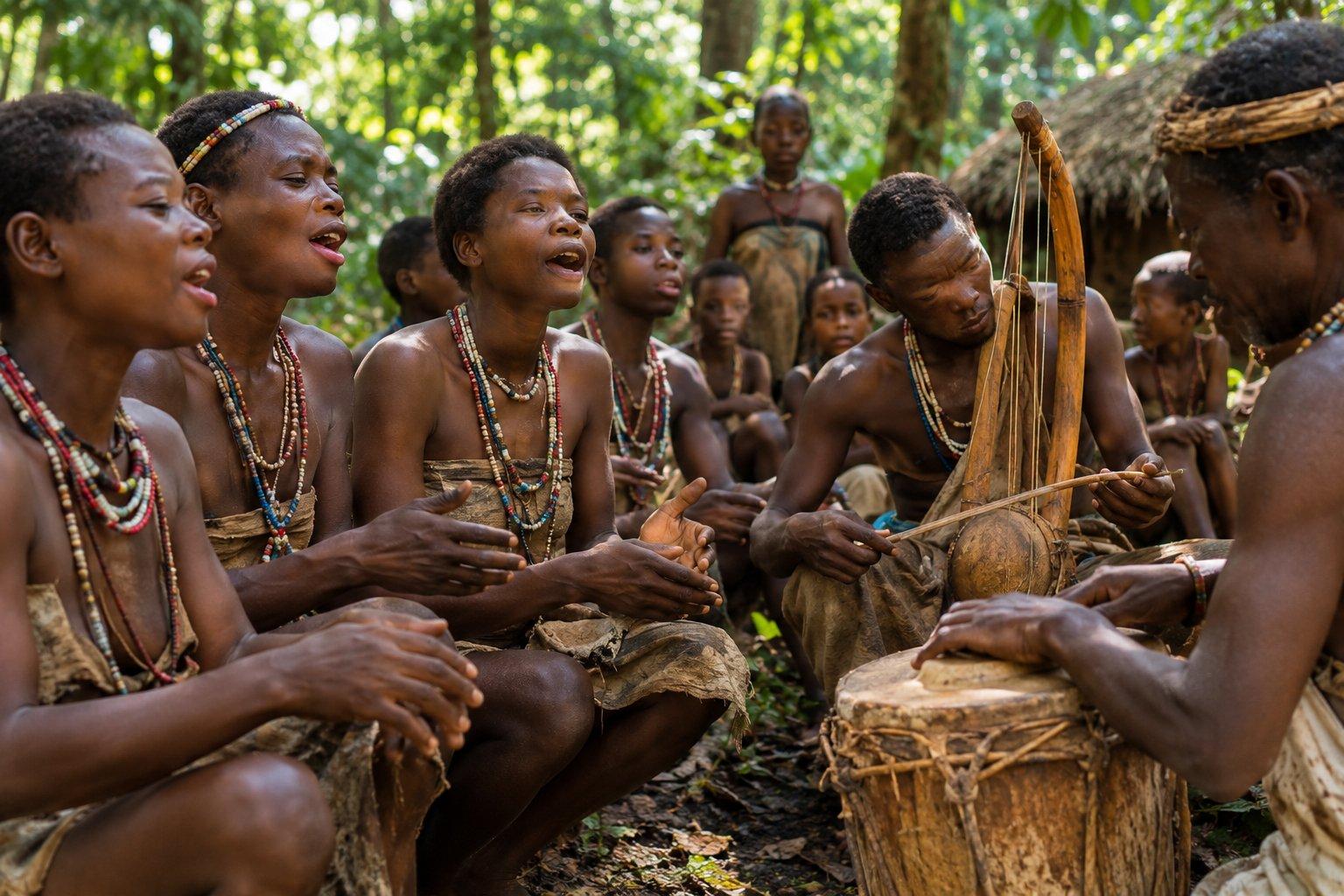
A group of Aka people gathered in a lush Central African rainforest, with several people singing and moving together in a traditional community performance surrounded by dense green vegetation.

September 22, 2026

Central African Republic: People, Culture, History and Life

Explore the Central African Republic’s history, people, languages, food, music, archaeology and cultural traditions, including the Aka and Bouar megaliths.

Read more
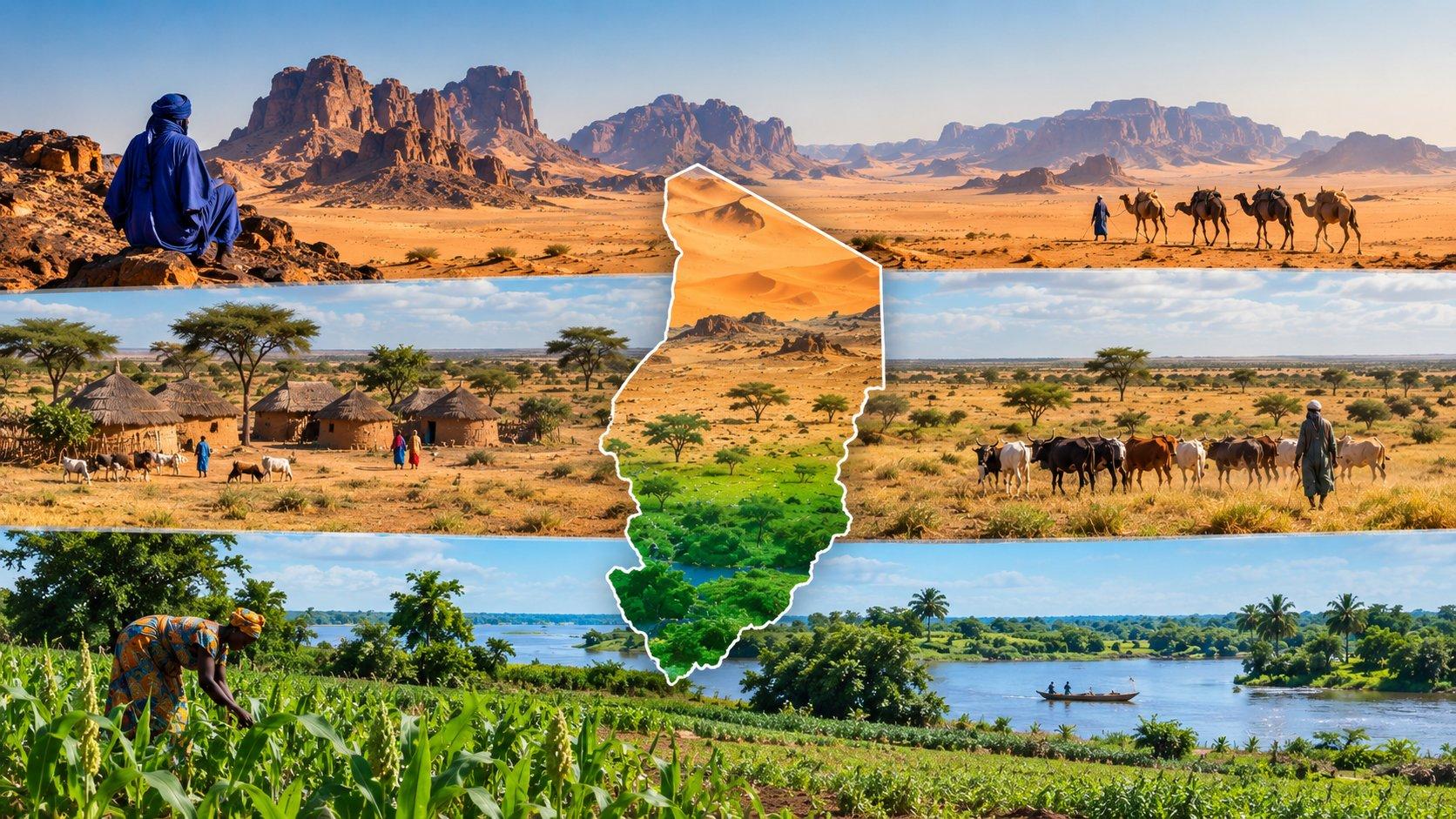
Chad's landscape transitioning from the dry Sahara and rocky mountains in the north through the Sahel to greener savanna and farmland in the south, illustrating the country's distinct ecological regions.

September 21, 2026

Chad: A Country of Sahara, Sahel, Kingdoms and Many Cultures

Explore Chad’s history and culture, from the Sahara and Lake Chad to Kanem-Bornu, colonial rule, languages, religions, food and life today.

Read more
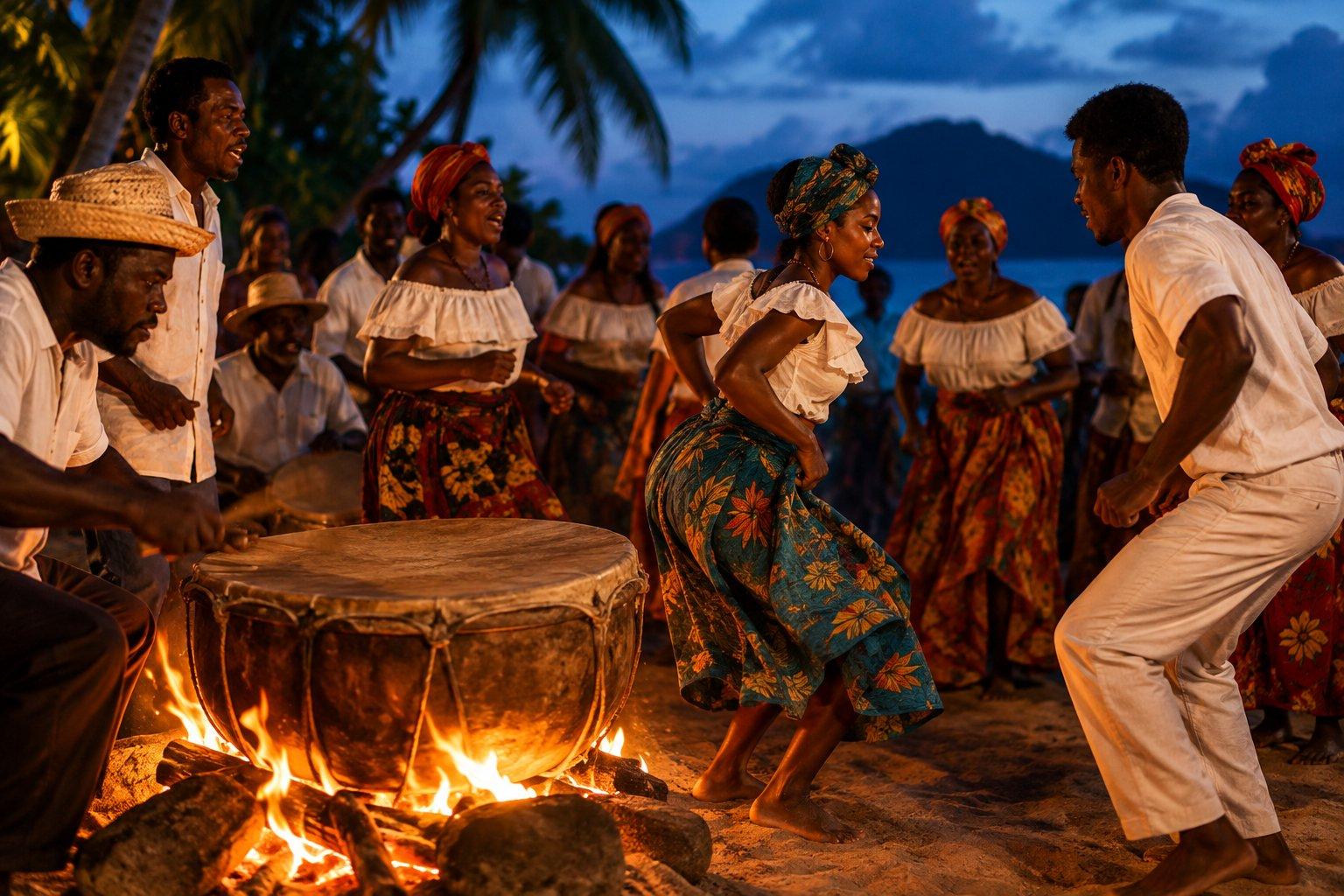
Seychellois dancers and drummers gather around a fire at dusk during a traditional moutya performance on a tropical beach, with a large drum being heated over the flames and palm trees and mountains in the background.

September 21, 2026

Seychelles: The Dance That Survived Colonial Restrictions

Discover the history of Moutya, Seychelles’ traditional dance shaped by slavery, colonial restrictions, community life and generations of cultural transmission.

Read more
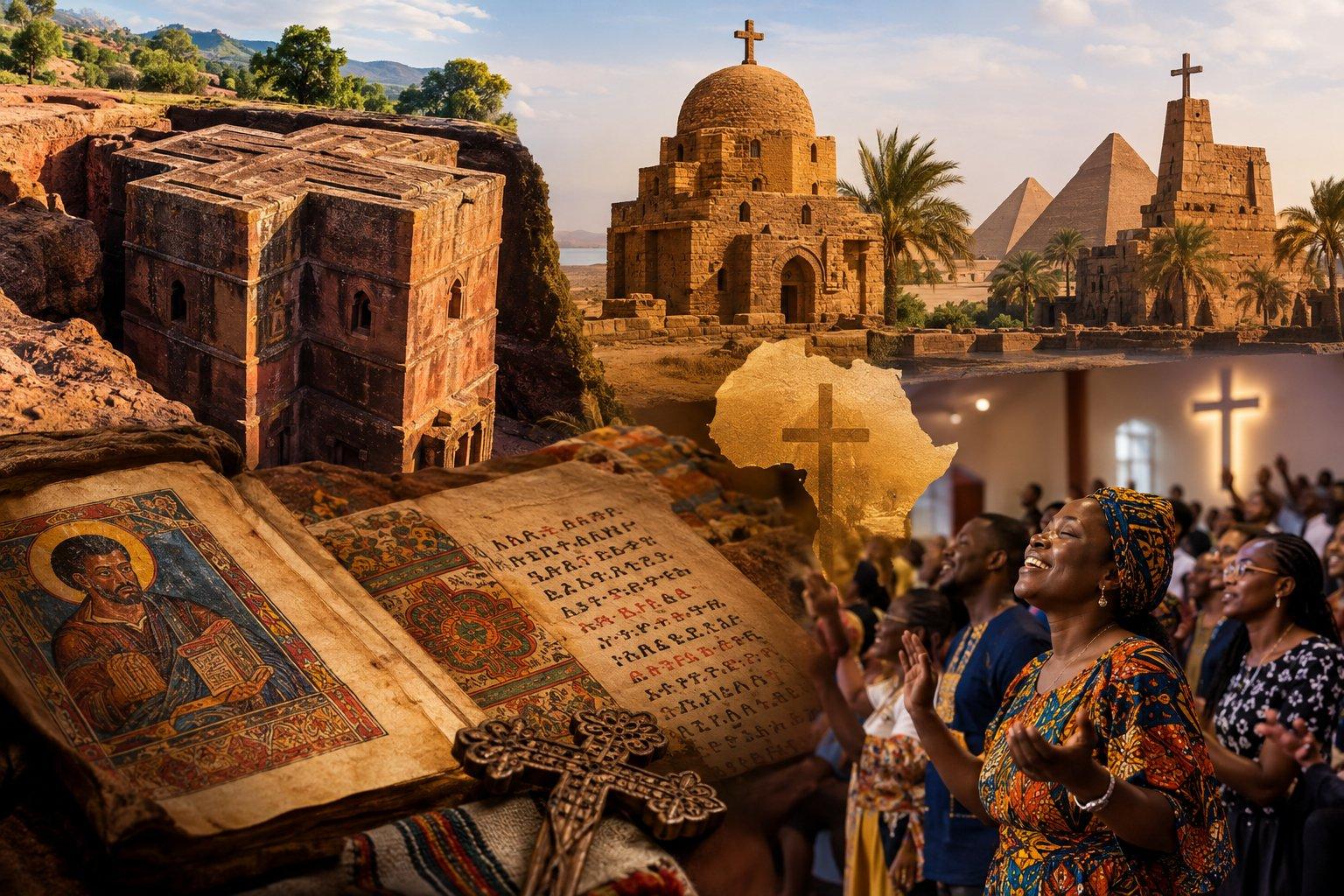
African Christian history represented through ancient Ethiopian and Egyptian Christian architecture, manuscripts, and a contemporary African church community, symbolizing Christianity's nearly two-thousand-year history on the continent.

September 20, 2026

Christianity in Africa: A History That Began Long Before Colonialism

Christianity in Africa began nearly 2,000 years ago. Explore its early communities, Aksum, Nubia, Egypt, Kongo and the later missionary expansion.

Read more
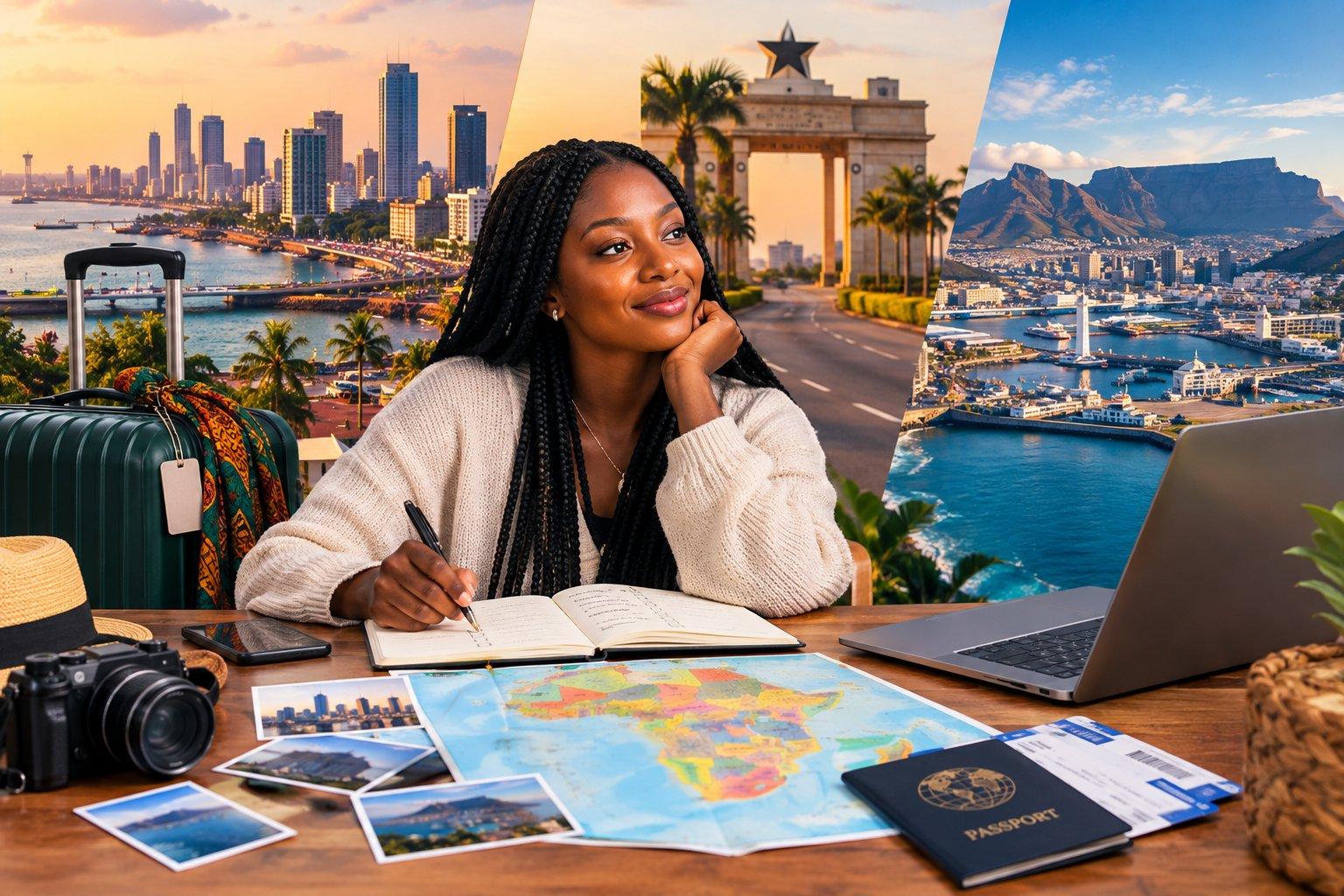
Traveler planning a December trip across Africa, with luggage, travel documents, and a cityscape suggesting popular destinations like Lagos, Accra, and Cape Town.

September 20, 2026

How to Plan a December Trip to Africa: Flights, Visas, Costs and More

Plan a December trip to Africa with practical advice on flights, visas, accommodation, costs, traffic, events and booking timing for Lagos, Accra, Nairobi, Zanzibar, Cape Town and Kigali.

Read more

Black female hotel professional planning for the busy December season at a hospitality reception desk, with a laptop, planner, calendar, suitcase, passport, and hotel supplies, overlooking a tropical resort.

September 20, 2026

How to Get Ahead of December: The Complete Hospitality Planning Guide

A practical December hospitality planning guide for hotels, short-lets, restaurants and tourism businesses across Africa, covering demand, pricing, staffing, bookings and operations.

Read more

A Nigerian woman using a laptop sits in the foreground with the Dangote Refinery, Nigerian flag, stock market chart and investment imagery in the background.

September 19, 2026

Who Actually Gets to Own a Piece of the Dangote Refinery?

Who can buy Dangote Refinery shares? Here is how the 2026 IPO works, including pricing, eligibility, allocation, dividends, risks and trading.

Read more
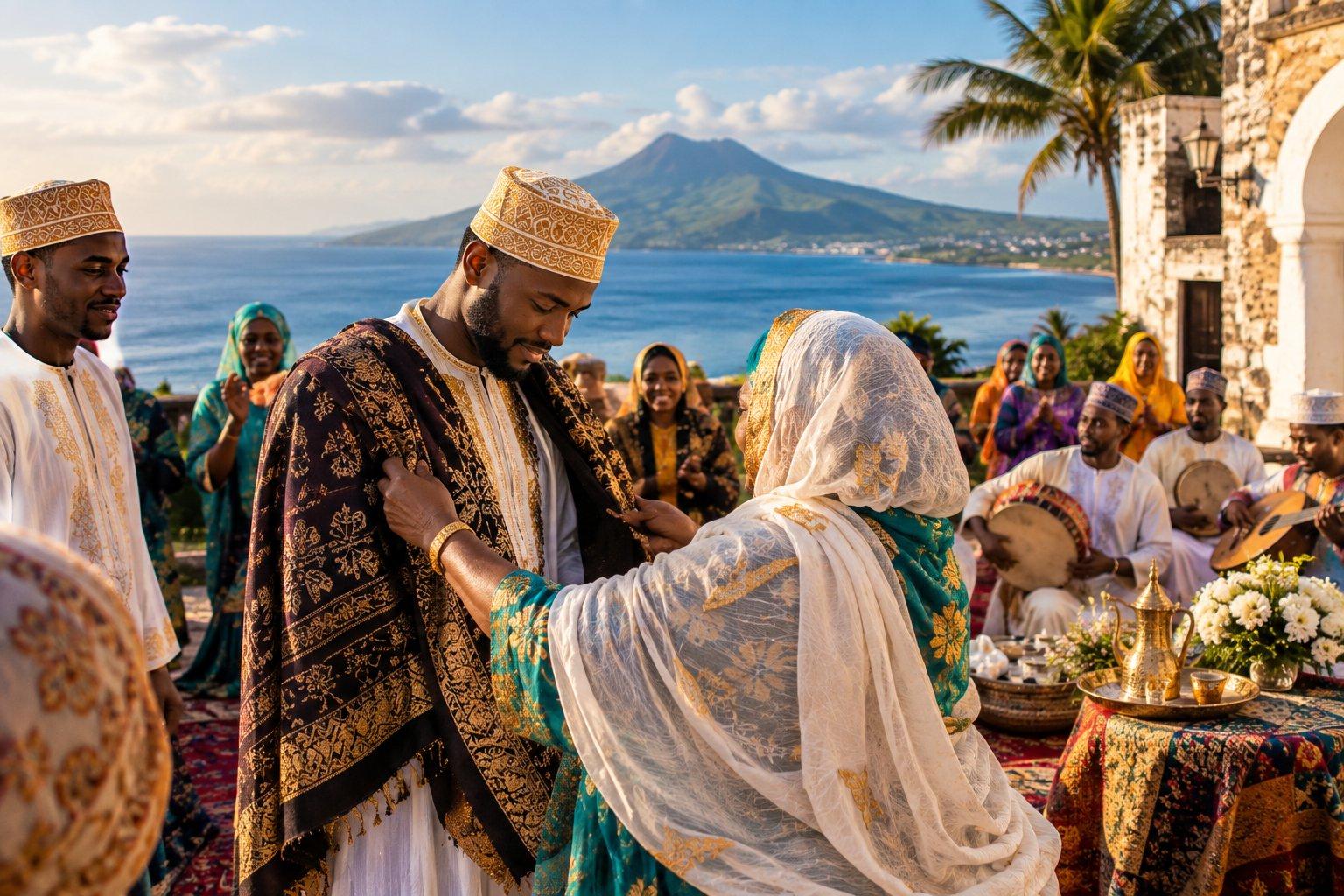
A Comorian Grand Marriage ceremony on Grande Comore, with a man in ornate traditional clothing being dressed by an elder, surrounded by guests, musicians and ceremonial decorations overlooking the Indian Ocean and volcanic mountains.

September 18, 2026

Comoros: The Marriage a Man Cannot Avoid

Discover the Grand Marriage in Comoros, a powerful tradition on Grande Comore that shapes family, social status, wealth, culture and community life.

Read more
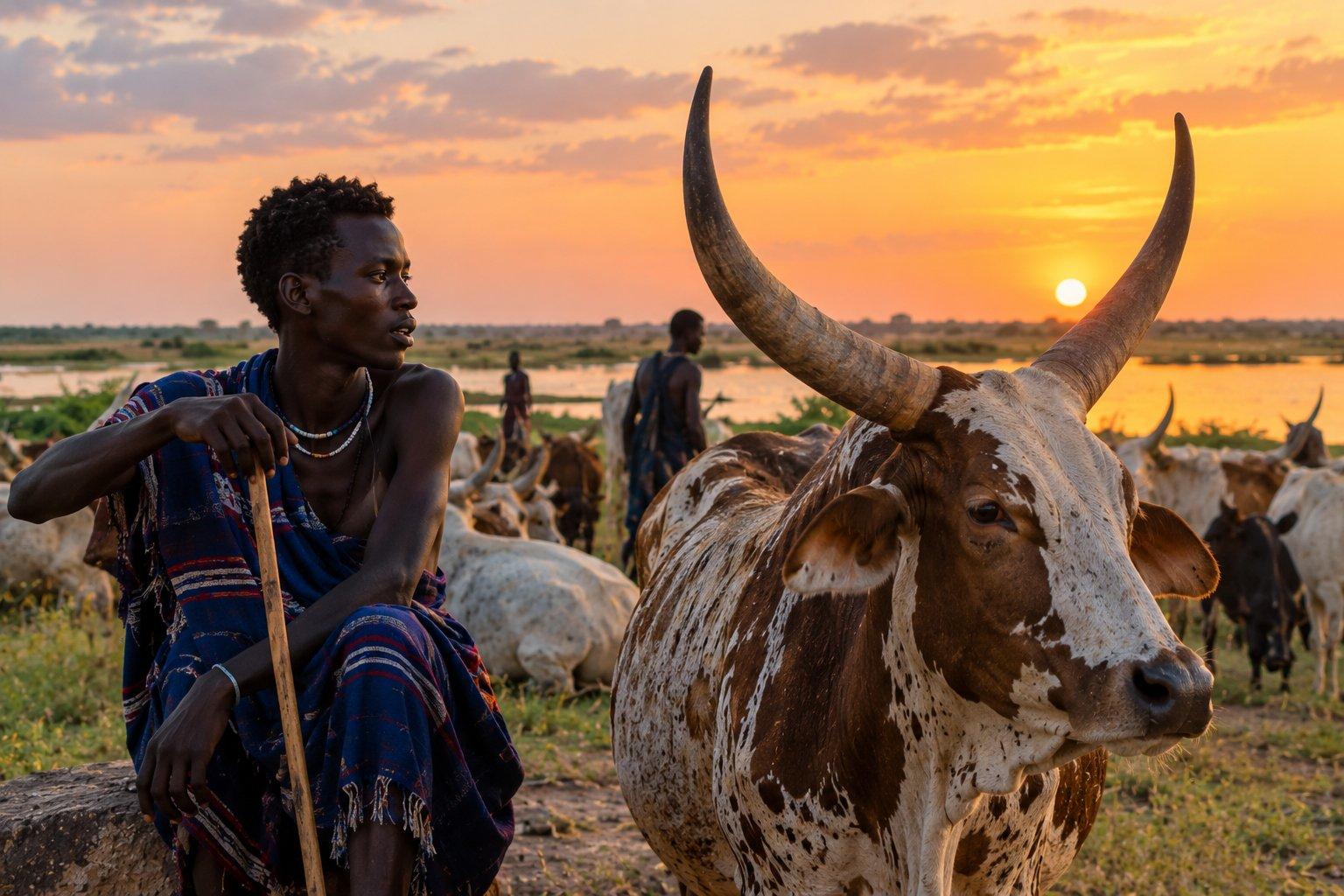
A young South Sudanese herder sits beside a large long-horned cattle bull at sunset, with a herd gathered around a seasonal floodplain in the background.

September 18, 2026

South Sudan: The Country Sung to Its Cattle

Explore South Sudan’s culture and history through its cattle traditions, ethnic groups, languages, religion, food, music, marriage customs and long road to independence.

Read more
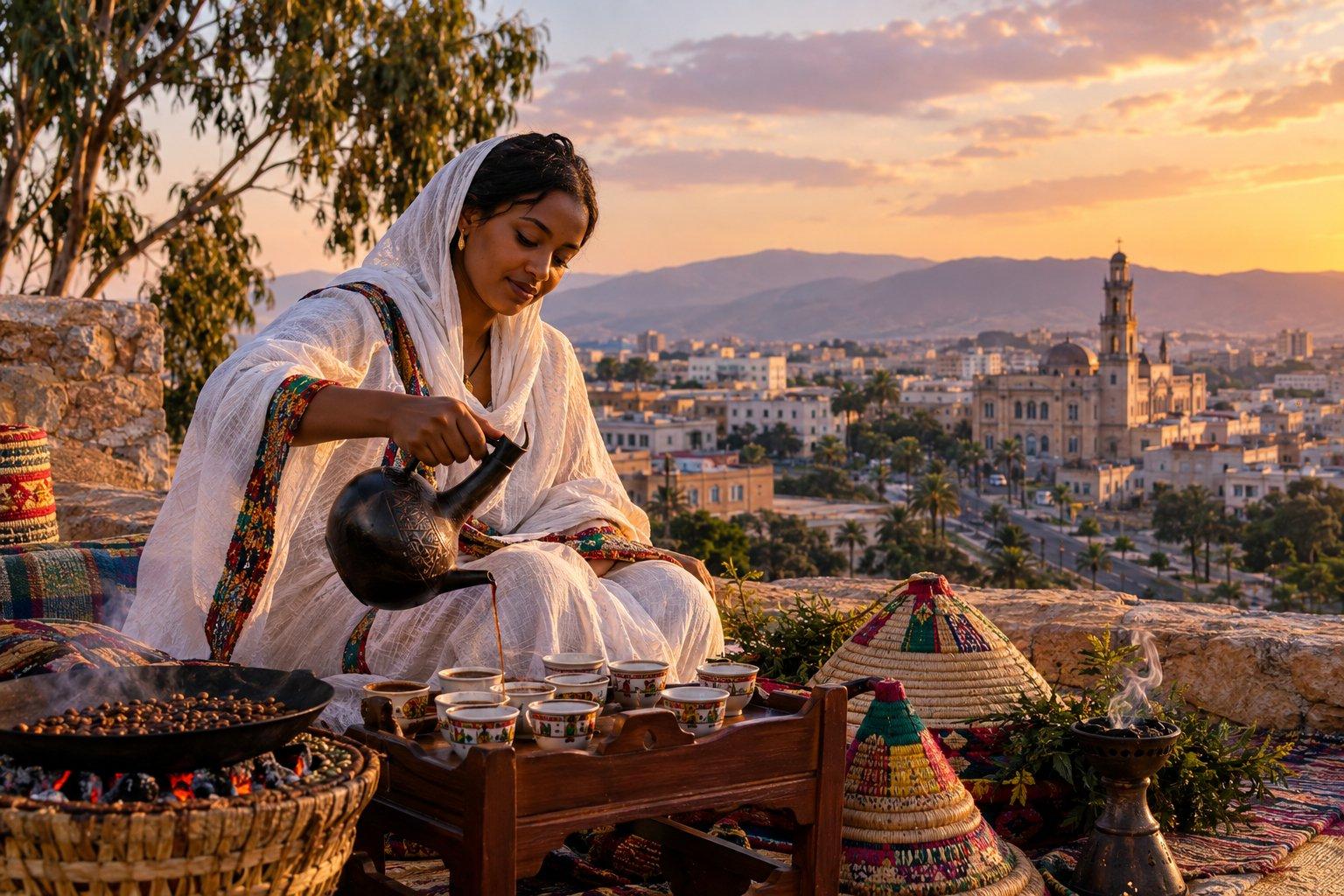
An Eritrean woman performs a traditional coffee ceremony at sunset, pouring coffee from a jebena into small cups, with roasted coffee beans, incense and woven baskets in the foreground and a city and mountains in the background.

September 18, 2026

Eritrea: The Country That Fought Thirty Years for a Line on a Map

Explore Eritrea’s history, independence struggle, cultures, languages, religions, food, music and Asmara’s remarkable Italian-era architecture.

Read more
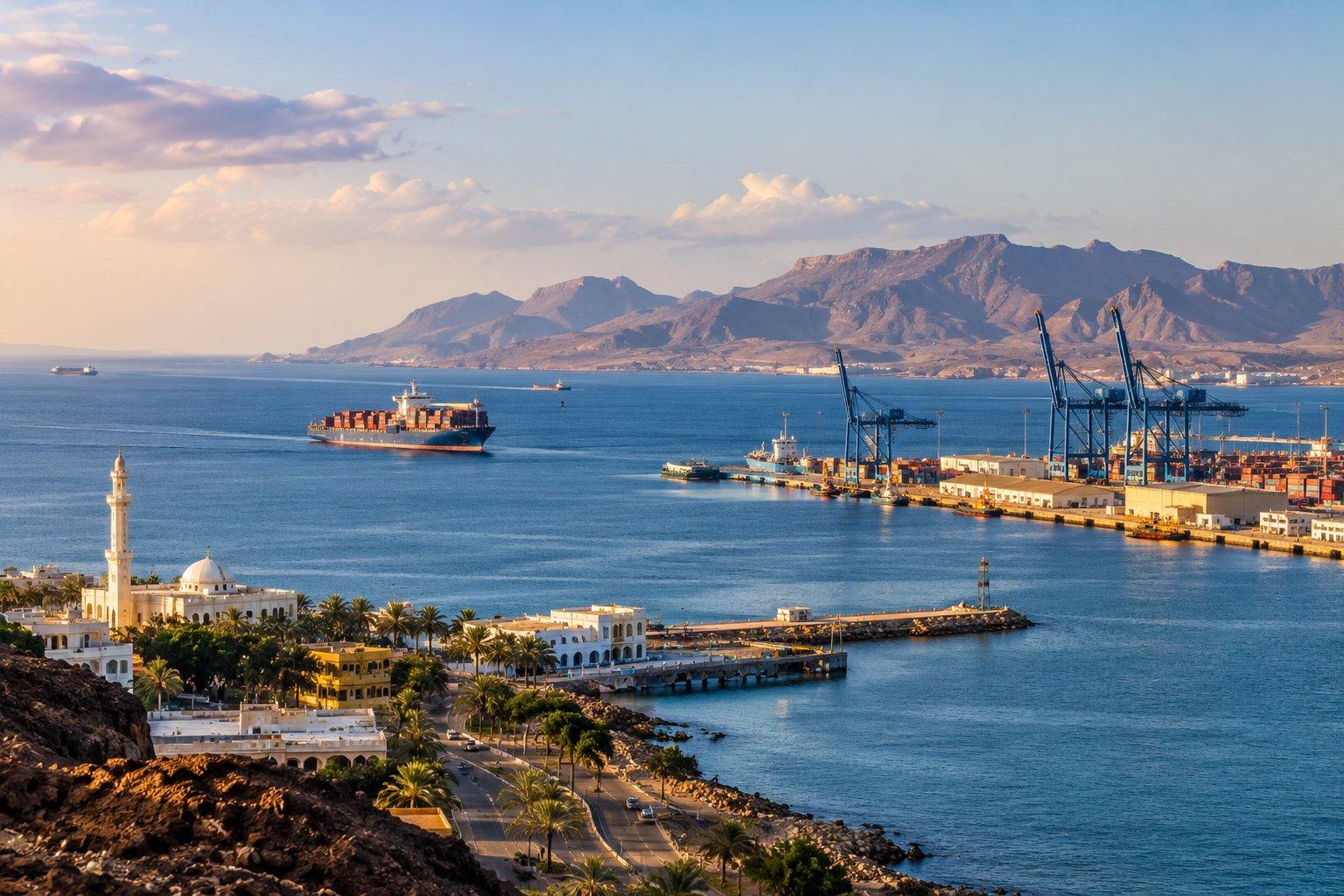
Panoramic view of Djibouti’s coastline with a mosque and palm-lined city in the foreground, cargo ships crossing the bay, a busy container port, and rugged mountains in the background.

September 18, 2026

Djibouti: The Country the Suez Canal Made Strategic

Discover Djibouti’s history, culture, people, food, languages and strategic importance, and how the Suez Canal transformed its place in the world.

Read more
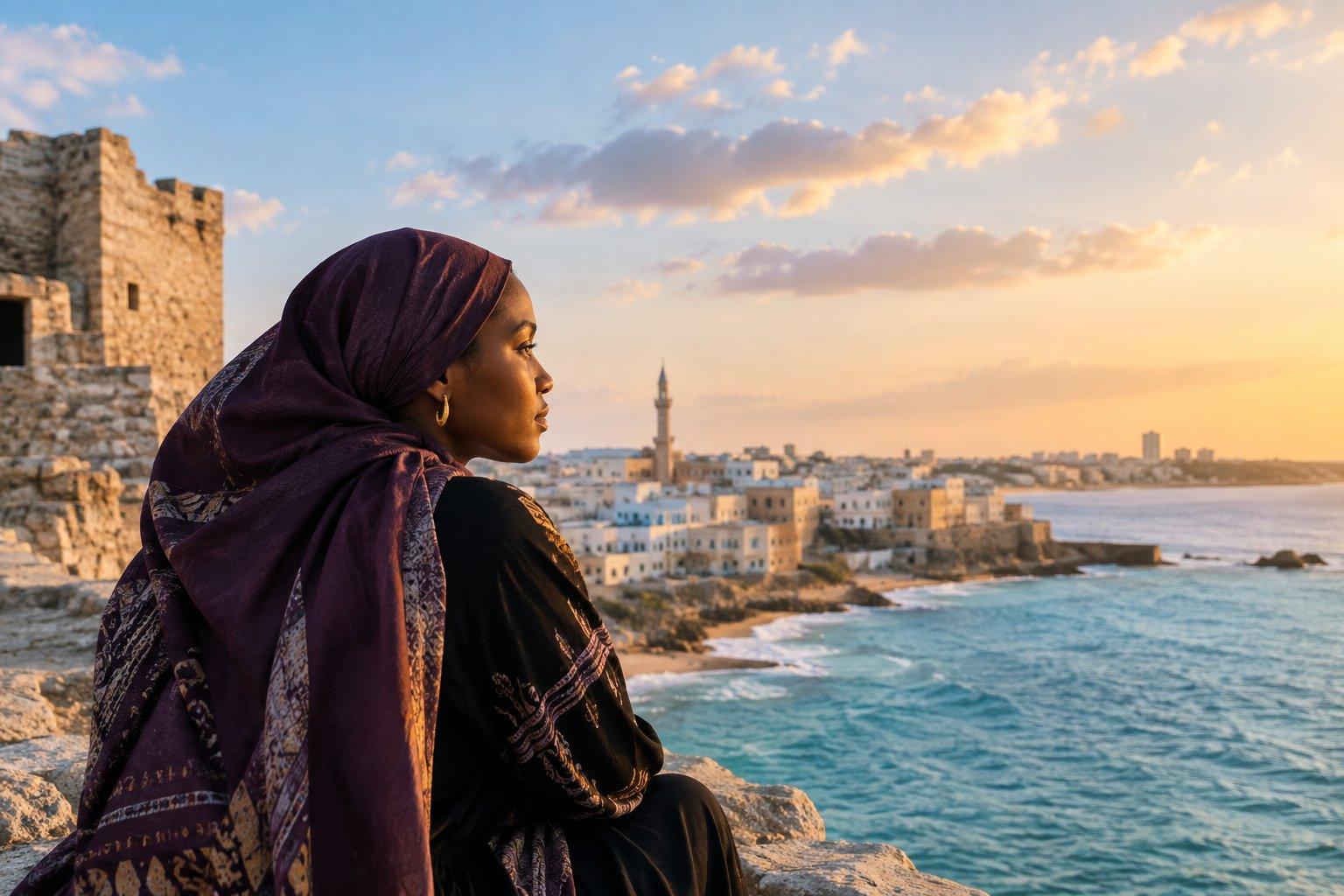
A Somali woman in a flowing purple headscarf sits on coastal ruins overlooking a historic seaside town and the turquoise waters of the Indian Ocean at sunset.

September 18, 2026

Somalia Culture and History: The Nation of Poets

Explore Somalia’s history, culture, poetry, religion, clans, food, music, colonial past and modern identity through the traditions that shaped the nation.

Read more
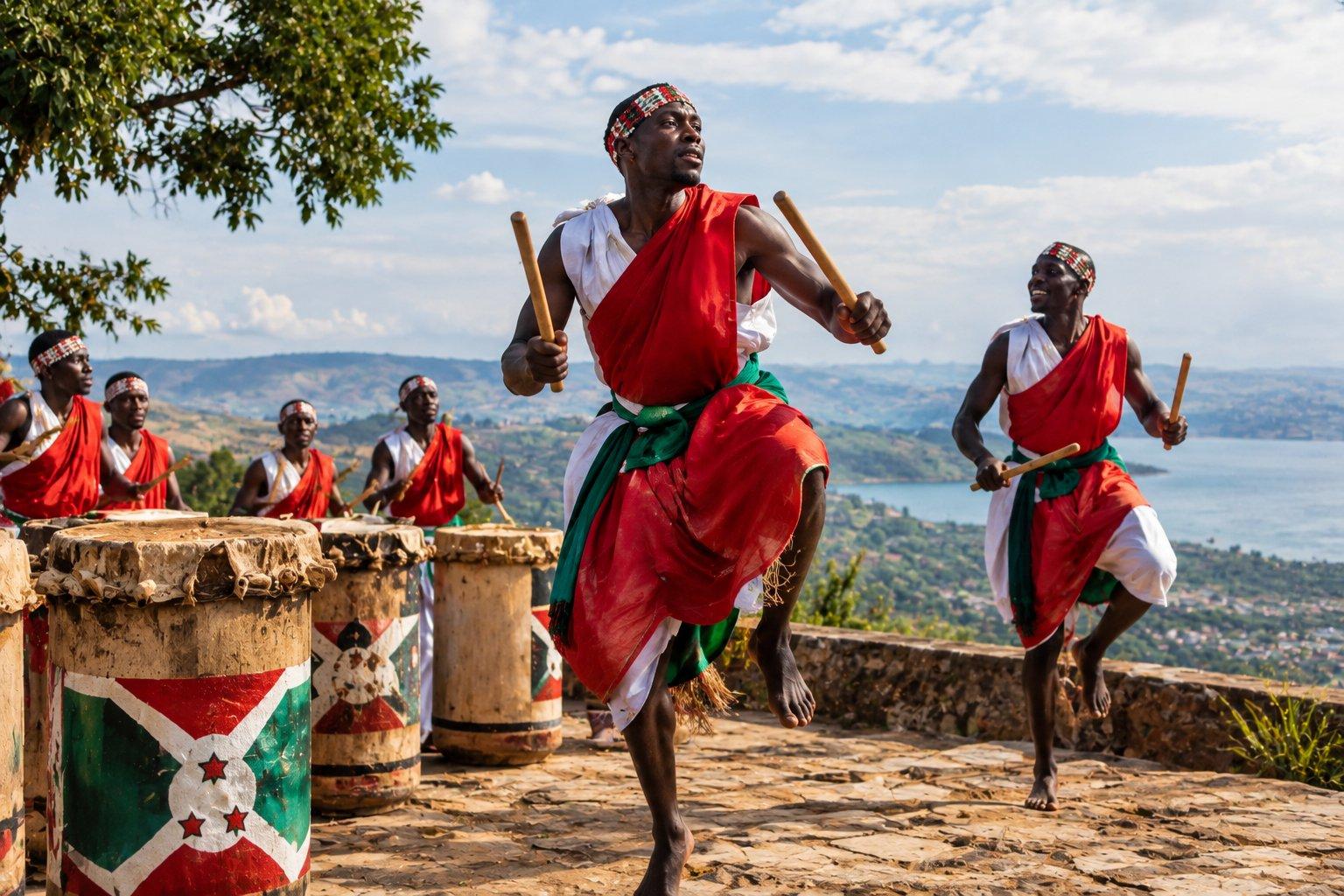
Photorealistic scene of Burundian royal drummers performing outdoors, with dancers moving around traditional drums against a hillside landscape and Lake Tanganyika in the distance.

September 17, 2026

Burundi: The Country Where the Drum Was King

Explore Burundi’s history, culture, royal drum tradition, Gishora, monarchy, languages, food, religion and the story of a country shaped by its past.

Read more
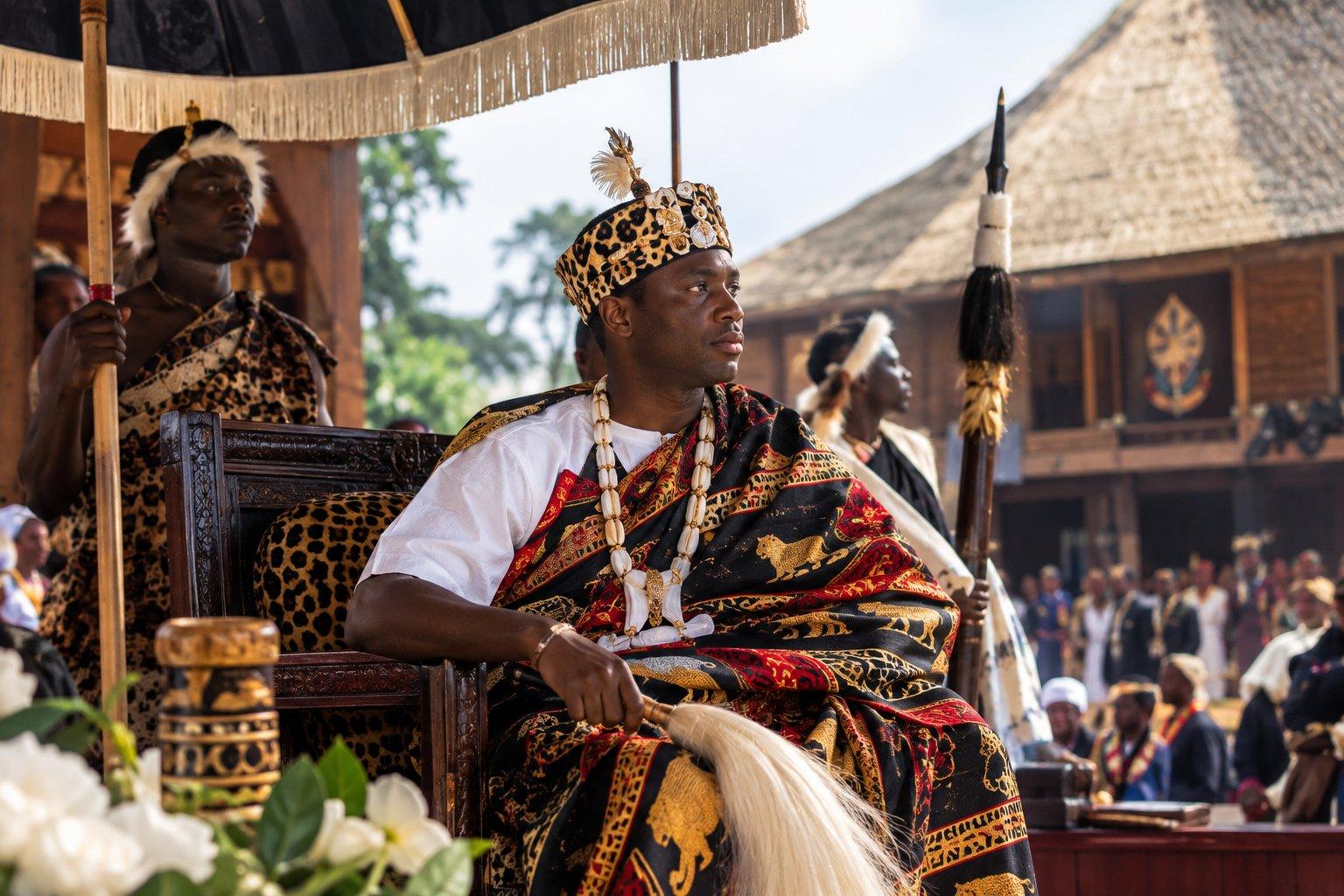
Photorealistic ceremonial scene in Uganda showing a traditional African king seated beneath a large ceremonial parasol, surrounded by attendants, royal regalia, traditional buildings and a gathered crowd.

September 17, 2026

Uganda: The Kingdom That Refused to Stay Abolished

Explore Uganda’s kingdoms, the history of Buganda, the 1966 crisis, the restoration of traditional rulers in 1993, and the culture that still shapes Uganda today.

Read more
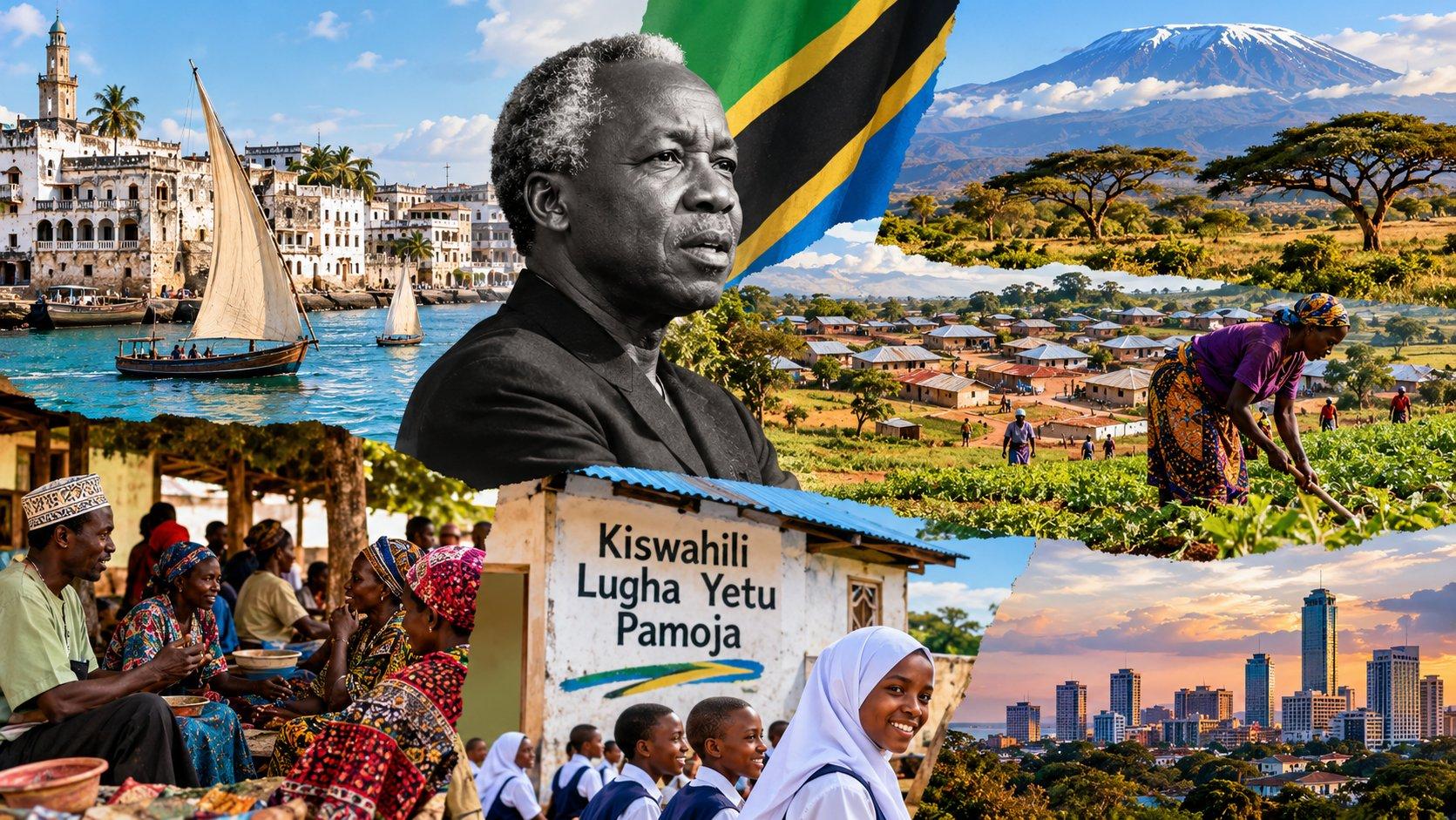
Cinematic collage representing Tanzania’s cultural and historical diversity, featuring Stone Town and traditional dhows, Mount Kilimanjaro, rural farming, Tanzanian communities, Julius Nyerere, Kiswahili, students and a modern city skyline.

September 17, 2026

Tanzania: The Country That Turned Familyhood Into a National Idea

Discover Tanzania’s culture and history, from Swahili and ujamaa to its diverse ethnic communities, religions, food, music, art, clothing and traditions.

Read more
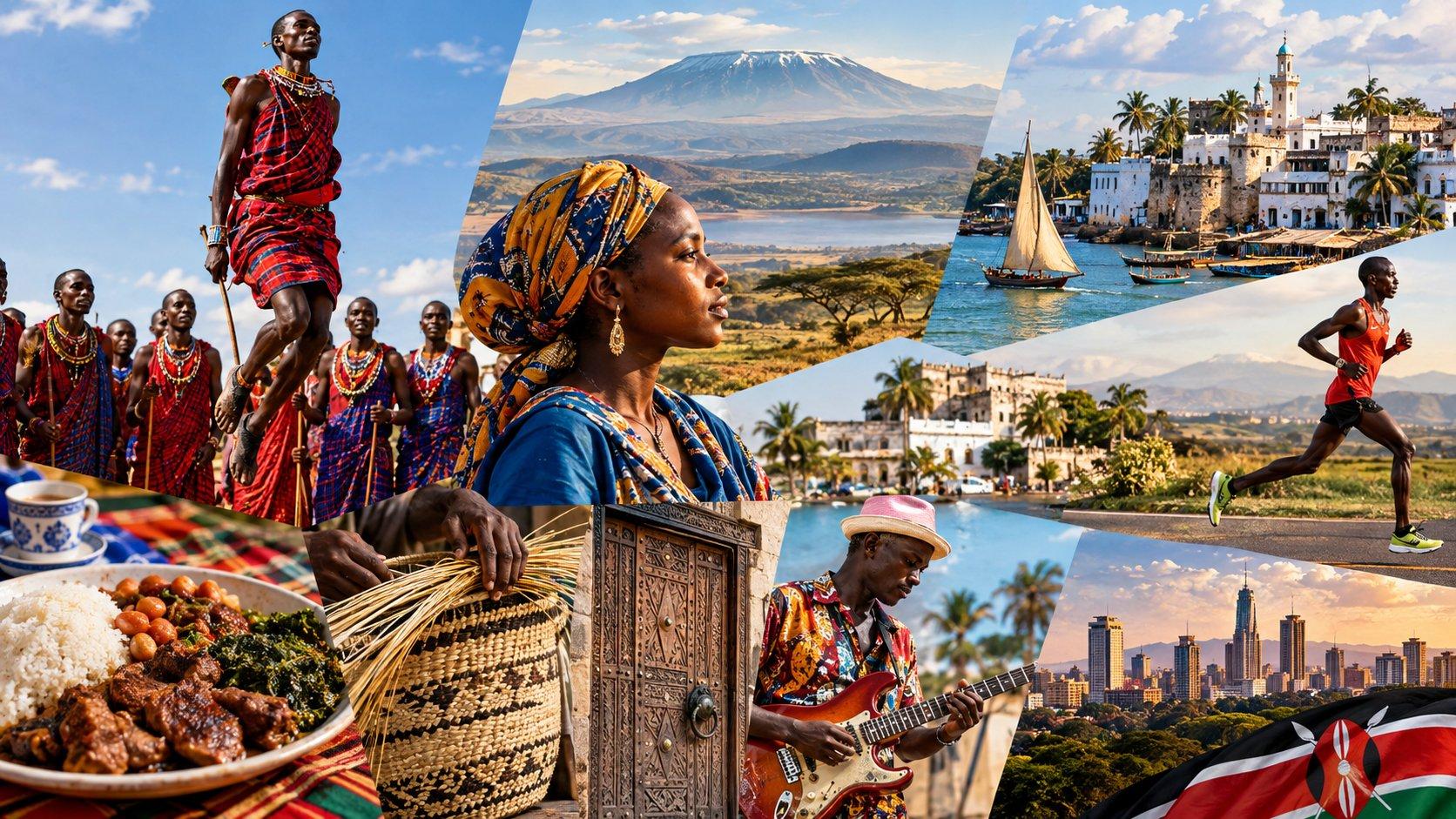
Vibrant collage representing Kenya’s diverse culture, featuring Maasai warriors, Kenyan landscapes, Swahili coastal architecture, traditional crafts, food, music, distance running, Nairobi’s skyline and the Kenyan flag.

September 17, 2026

Kenya: The Country Measured in Age-Sets, Not Just Years

Explore Kenya’s culture, history, languages, religions, food, music, traditions and the Maasai age-set system that continues to shape cultural life.

Read more
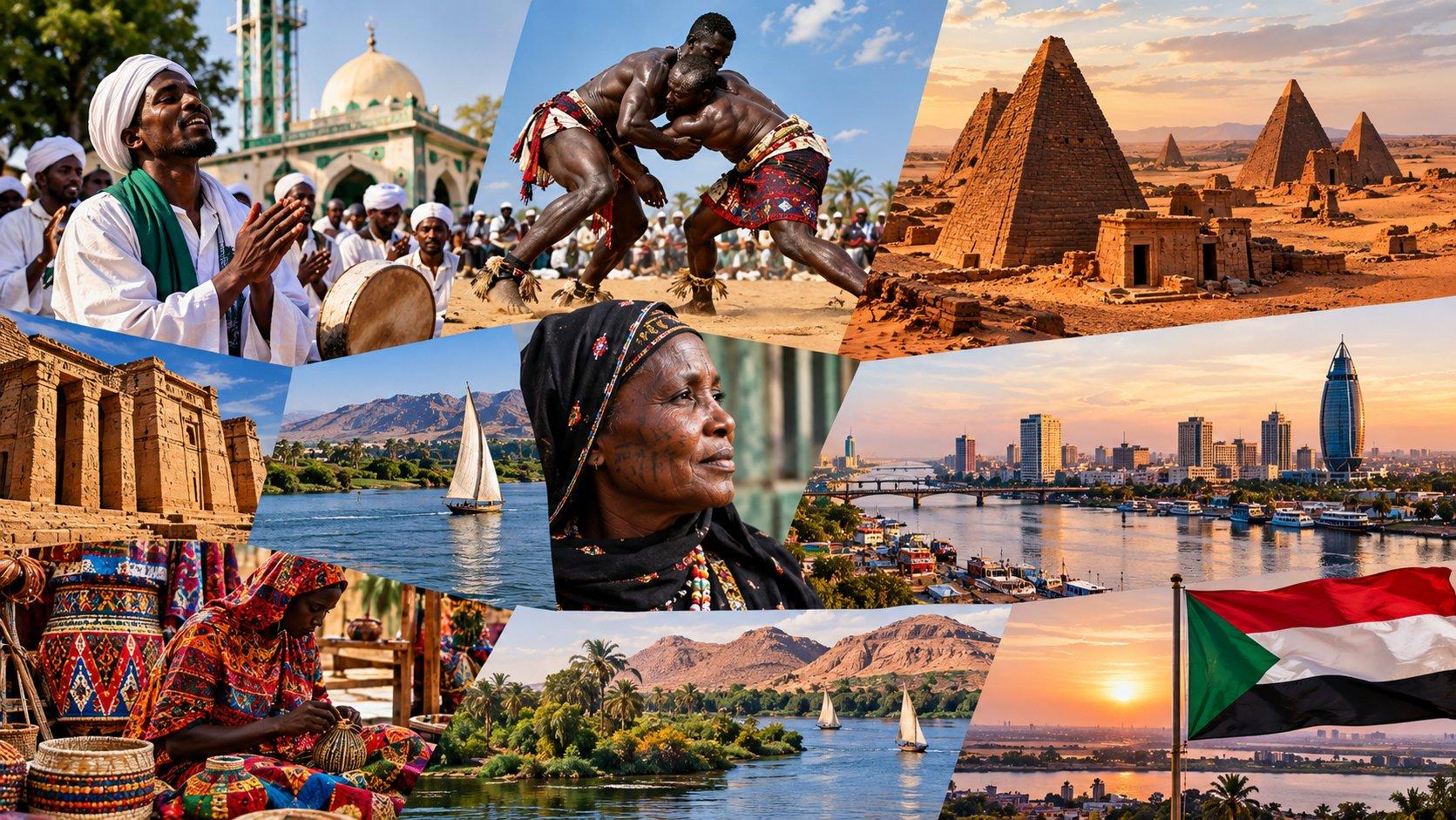
Cinematic collage representing Sudan’s cultural and historical diversity, featuring Nubian pyramids and ancient ruins, Sufi worship, Nuba wrestling, the Nile, traditional crafts, Sudanese communities, Khartoum’s skyline and the Sudanese flag.

September 17, 2026

Sudan: The Country of Two Fridays

Explore Sudan’s history, cultures, religions, ancient kingdoms, traditions, food and heritage, from Kush and Nubia to the communities shaping Sudan today.

Read more
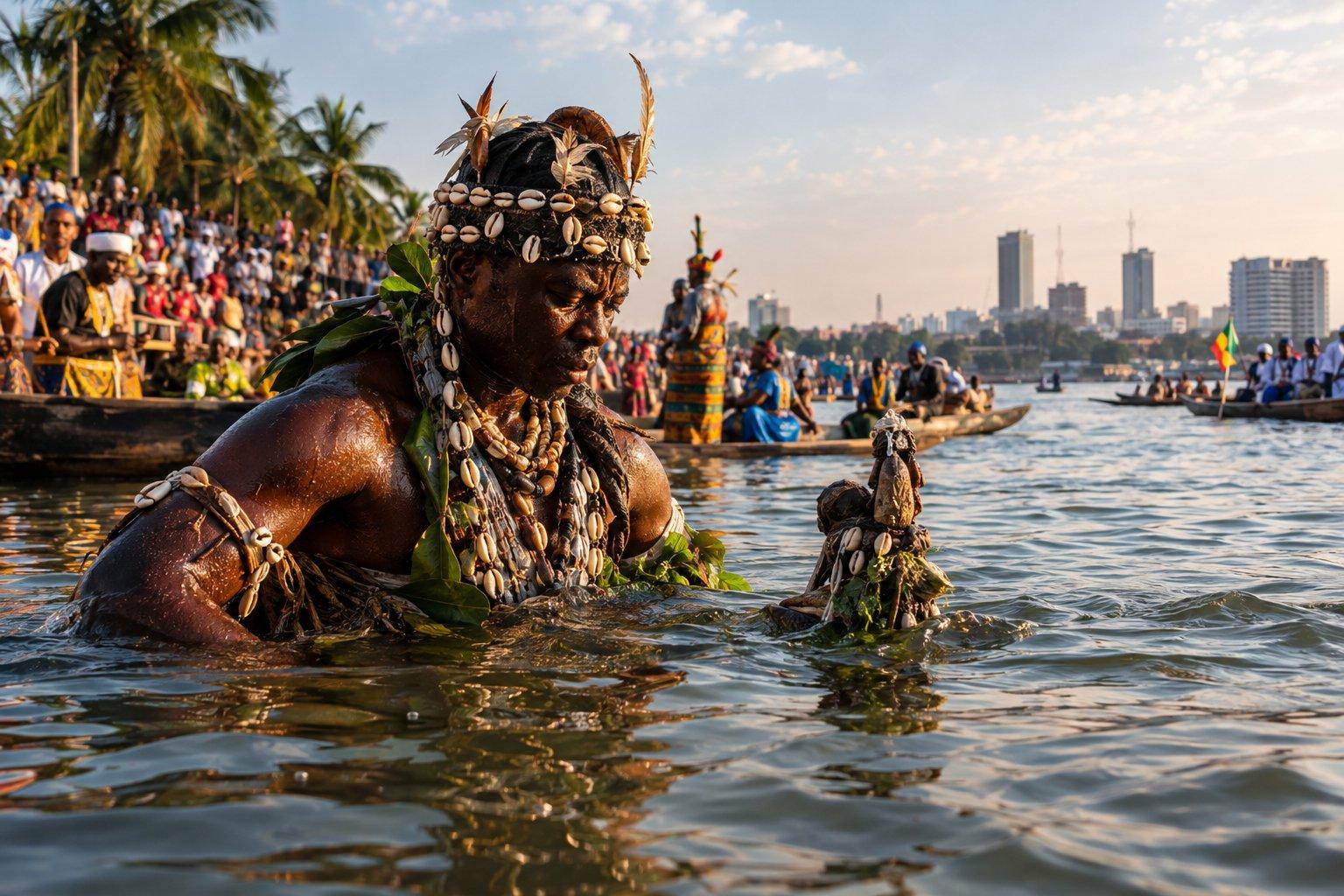
Photorealistic riverside scene in Douala, Cameroon, showing a Sawa cultural ceremony on the Wouri River. A traditionally dressed participant stands in the water wearing cowrie shells, beads, feathers and leafy adornments, while boats, performers, palm trees and a large crowd gather along the river with the Douala skyline in the background.

September 16, 2026

Cameroon: Africa’s Miniature, in Every Direction

Explore Cameroon’s history, cultures, languages, food, traditions, music, festivals and landscapes, and discover why it is known as Africa in miniature.

Read more
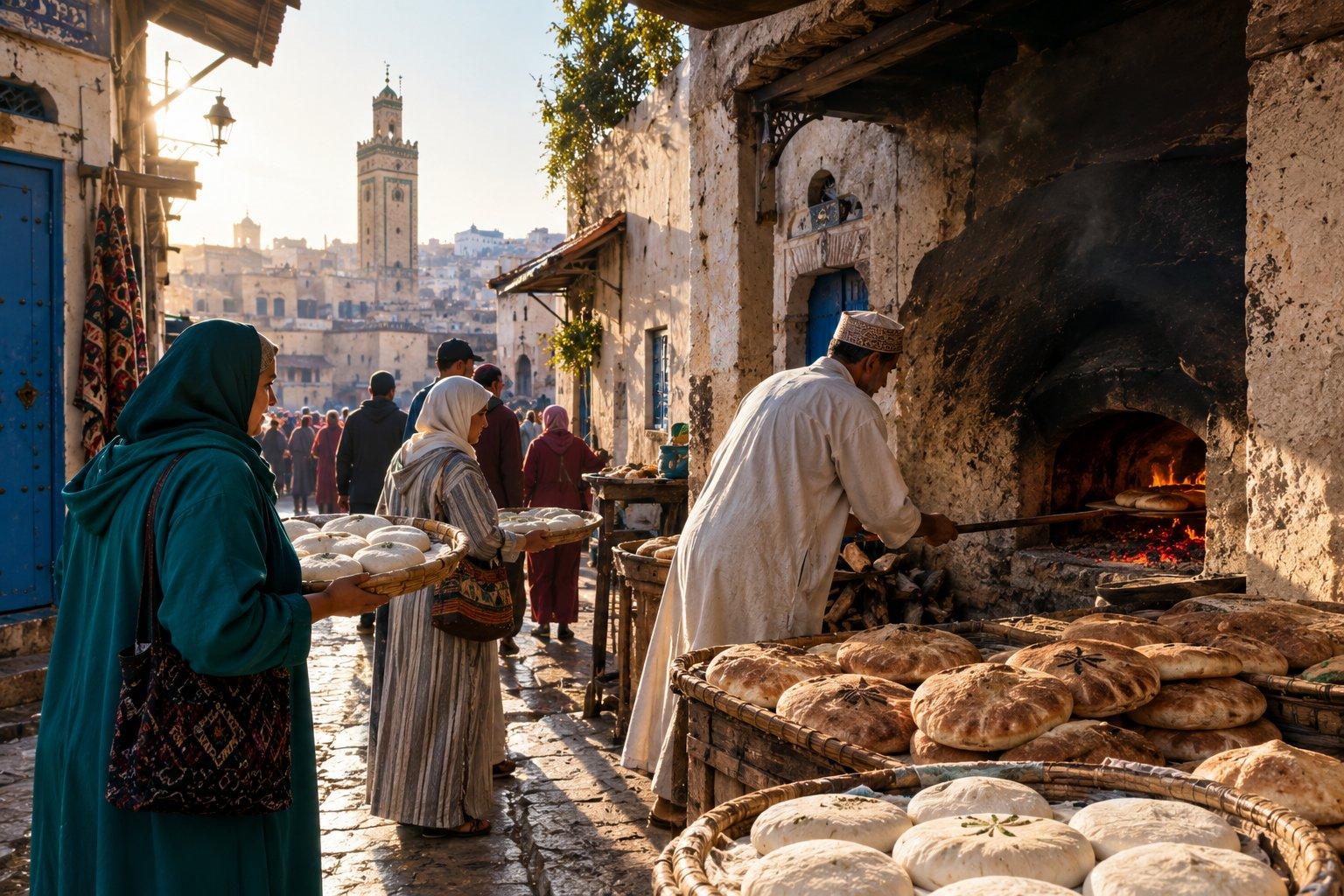
Photorealistic golden-morning scene in a Moroccan medina, showing a traditional communal wood-fired bakery with a baker tending the oven while women carry trays of dough, surrounded by freshly baked bread, old buildings, blue doors and a historic minaret.

September 16, 2026

Morocco: The Country That Never Replaced Anything

Explore Moroccan culture through its Amazigh, Arab, Andalusian, Jewish and African influences, from language and food to music, crafts, religion and traditions.

Read more
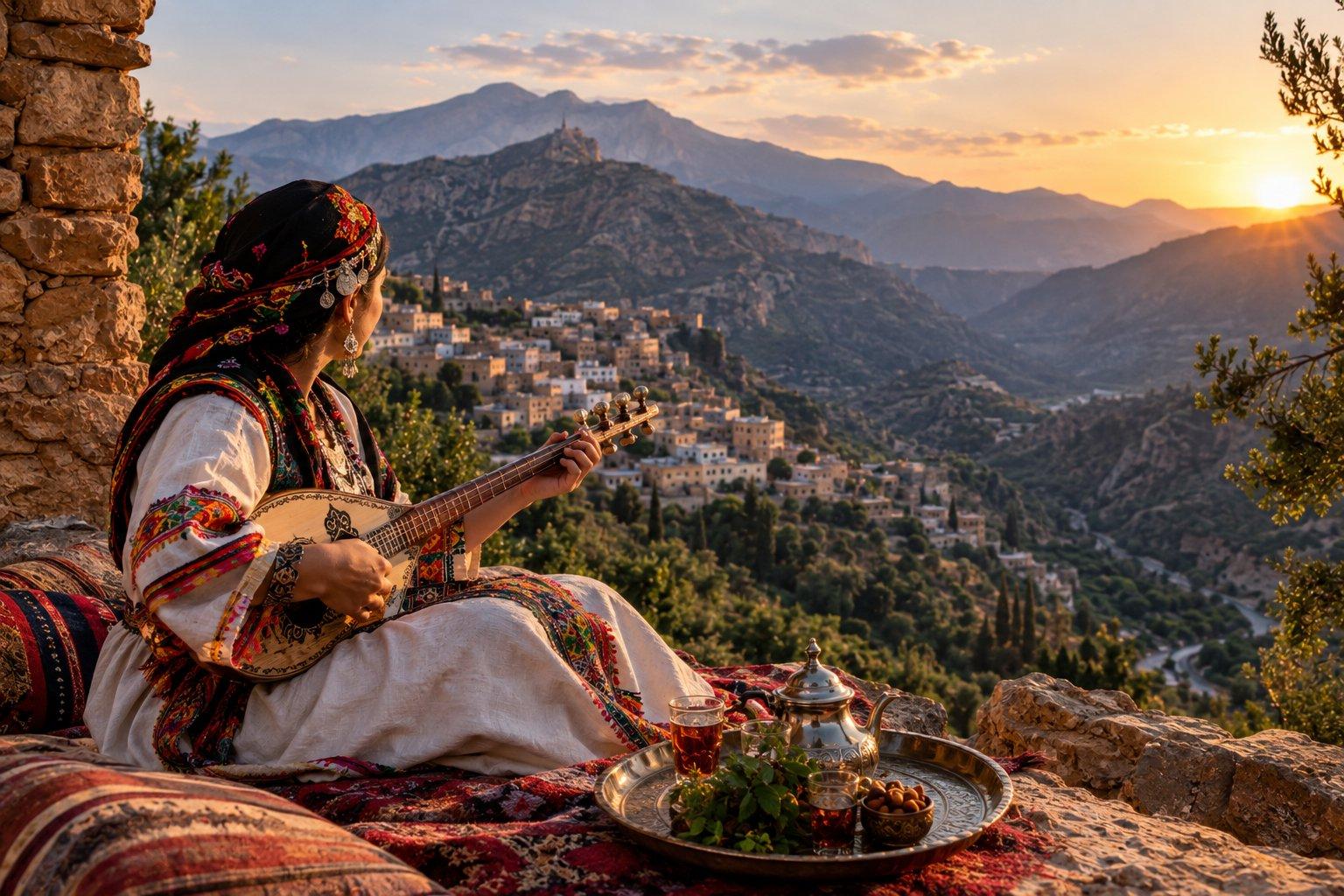
Photorealistic golden-hour scene in Algeria showing a traditionally dressed woman playing a long-necked string instrument above a mountainous valley, surrounded by woven textiles, cushions, and a tea tray, with rugged hills fading into the distance.

September 16, 2026

Algeria: The Country That Sang Its Way Through Fire

Explore Algeria’s history, culture, languages, music, colonial past, civil war, and national identity, from Amazigh heritage and raï to the Hirak movement.

Read more
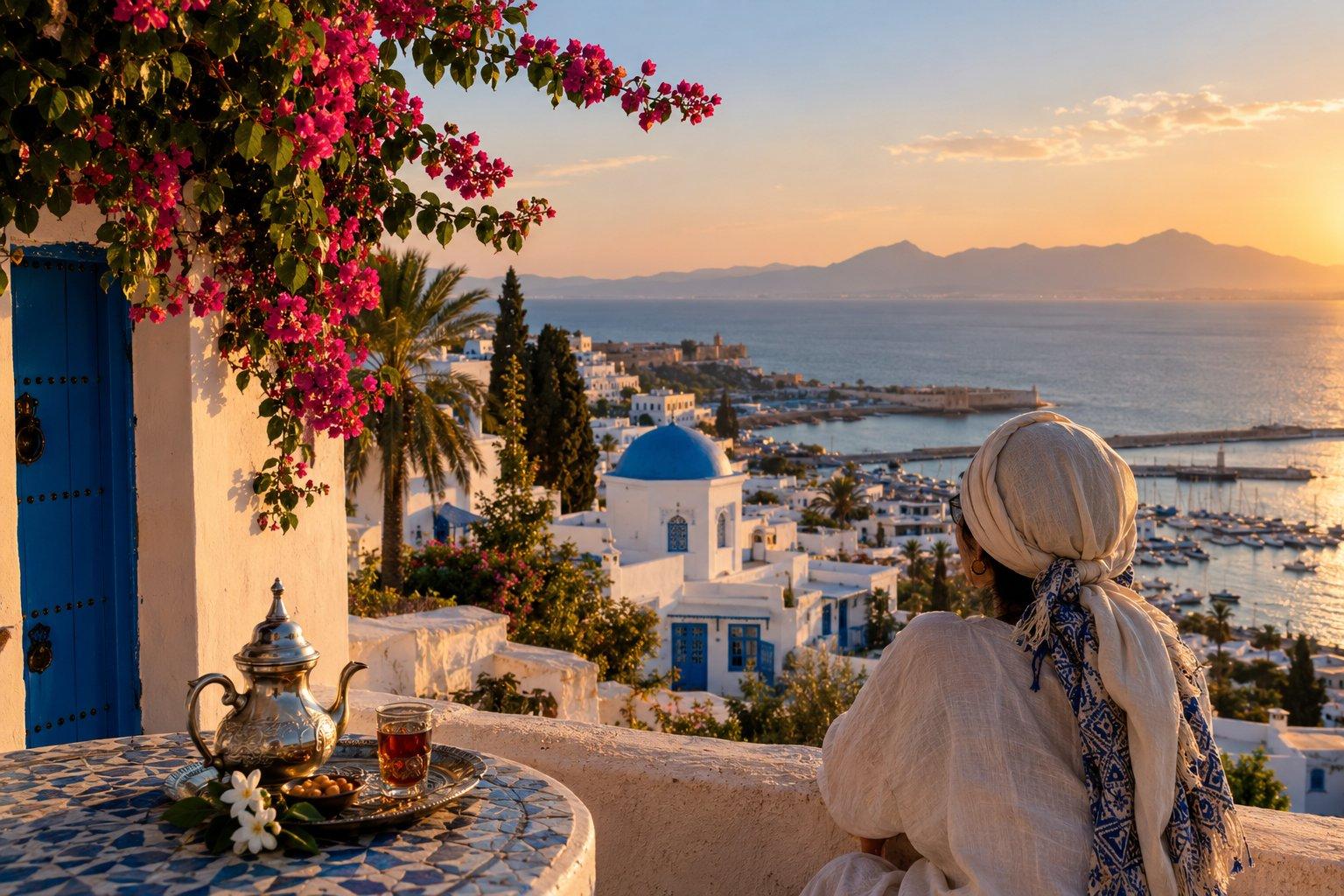
Photorealistic golden-hour view of a blue-and-white Tunisian coastal town, with a woman in traditional-inspired clothing overlooking the sea from a terrace framed by bougainvillea, a blue doorway, and a mosaic table with Tunisian tea.

September 16, 2026

Tunisia: The Country That Lit the Match

Explore Tunisia’s history, from ancient Carthage and Kairouan to the 2011 revolution, alongside its people, languages, religion, food, music and culture.

Read more
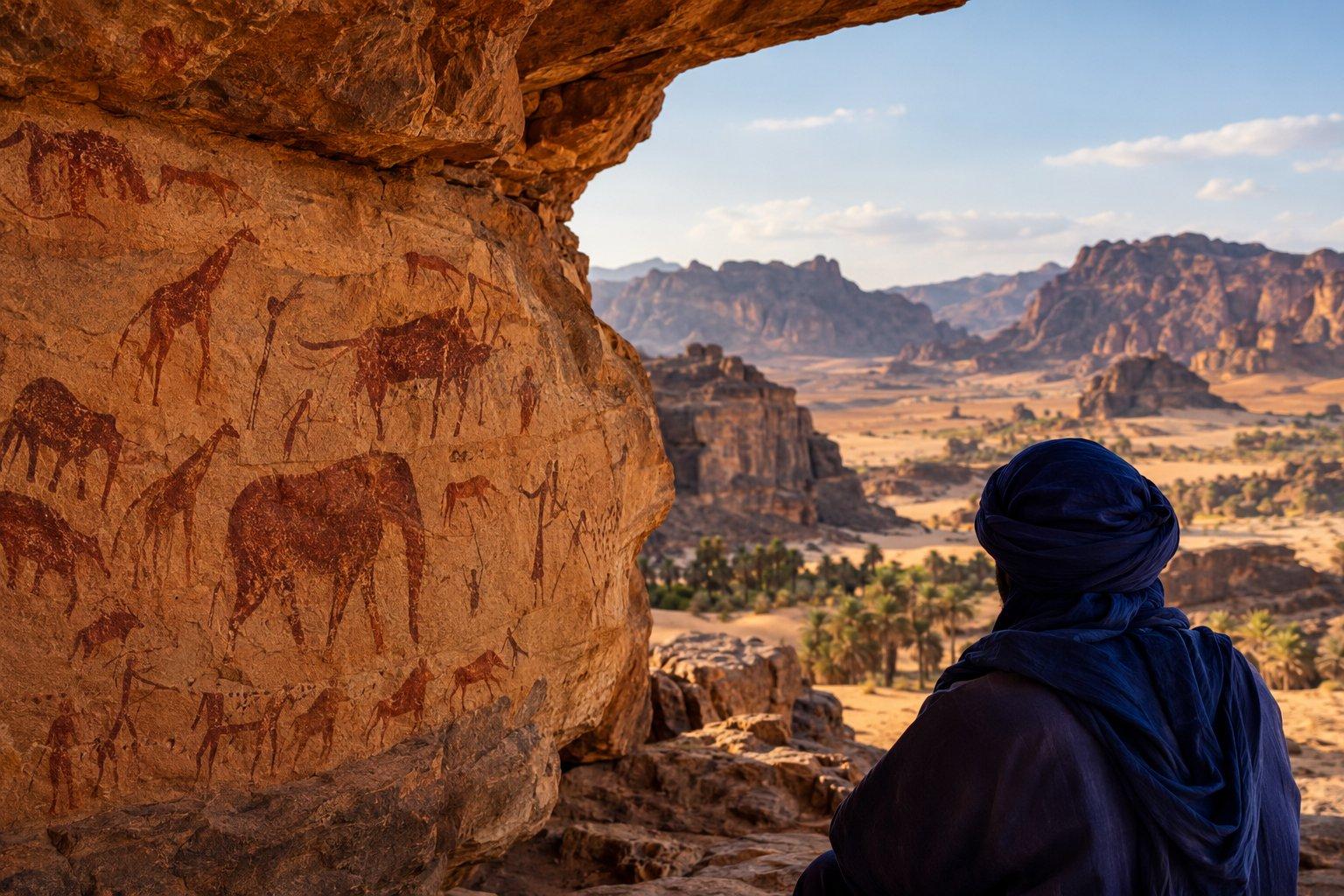
Ancient rock art depicting animals and human figures on a sandstone wall overlooking a rugged desert landscape in Libya, with a person in indigo desert clothing seated in the foreground.

September 16, 2026

Libya: The Country Written Twice, on Rock and in Silence

Explore Libya’s culture and history, from ancient Tadrart Acacus rock art to Amazigh, Tuareg and Tebu traditions, food, music, religion and heritage.

Read more
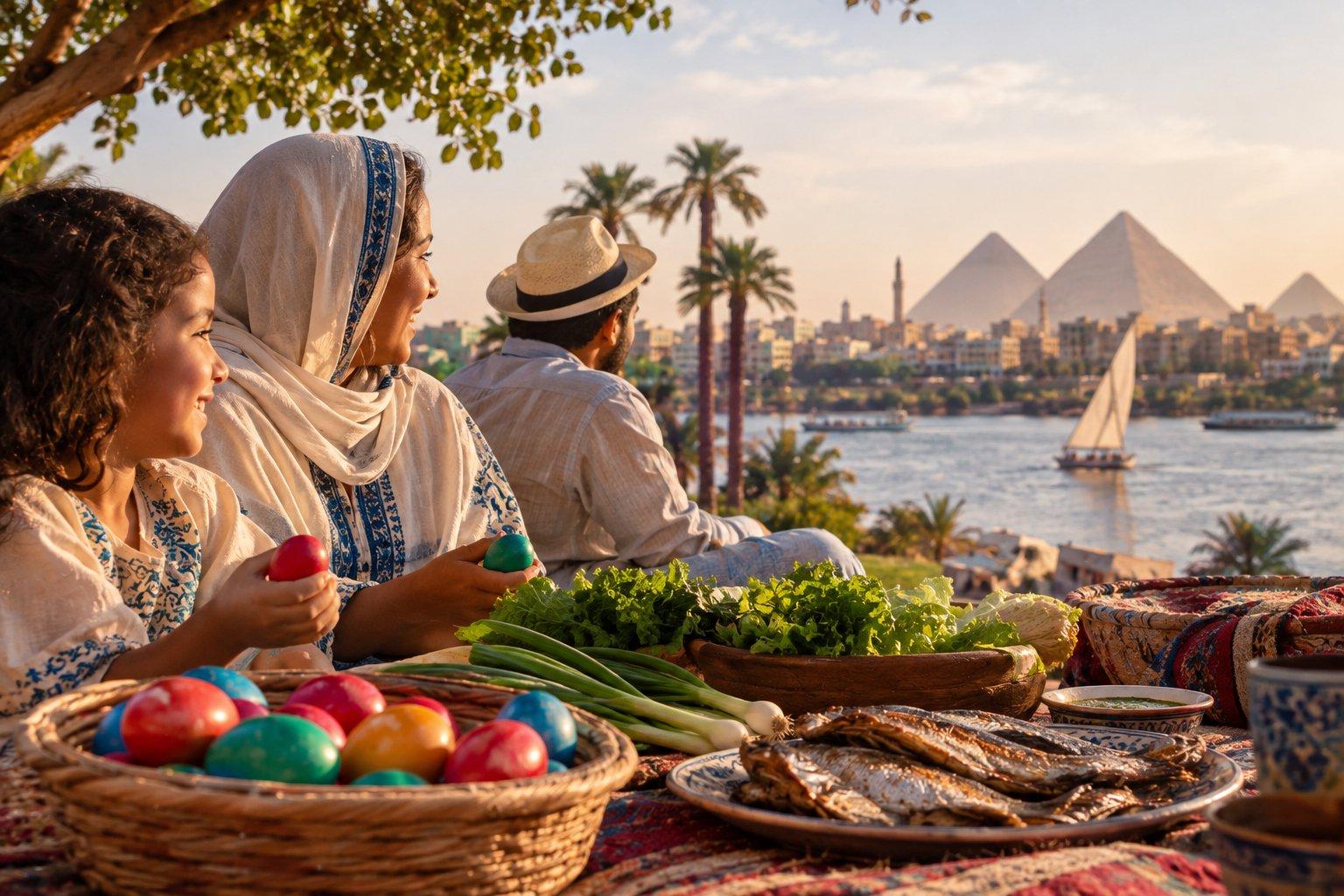
Egyptian family enjoying a springtime picnic beside the Nile with colorful eggs, greens and fish, with palm trees, boats and the pyramids in the background.

September 15, 2026

Egypt: The Country That Never Fully Let Go of Its Gods

Explore Egyptian culture, history, traditions, food, religion, language, music and heritage, from ancient Egypt to the traditions still shaping life today.

Read more
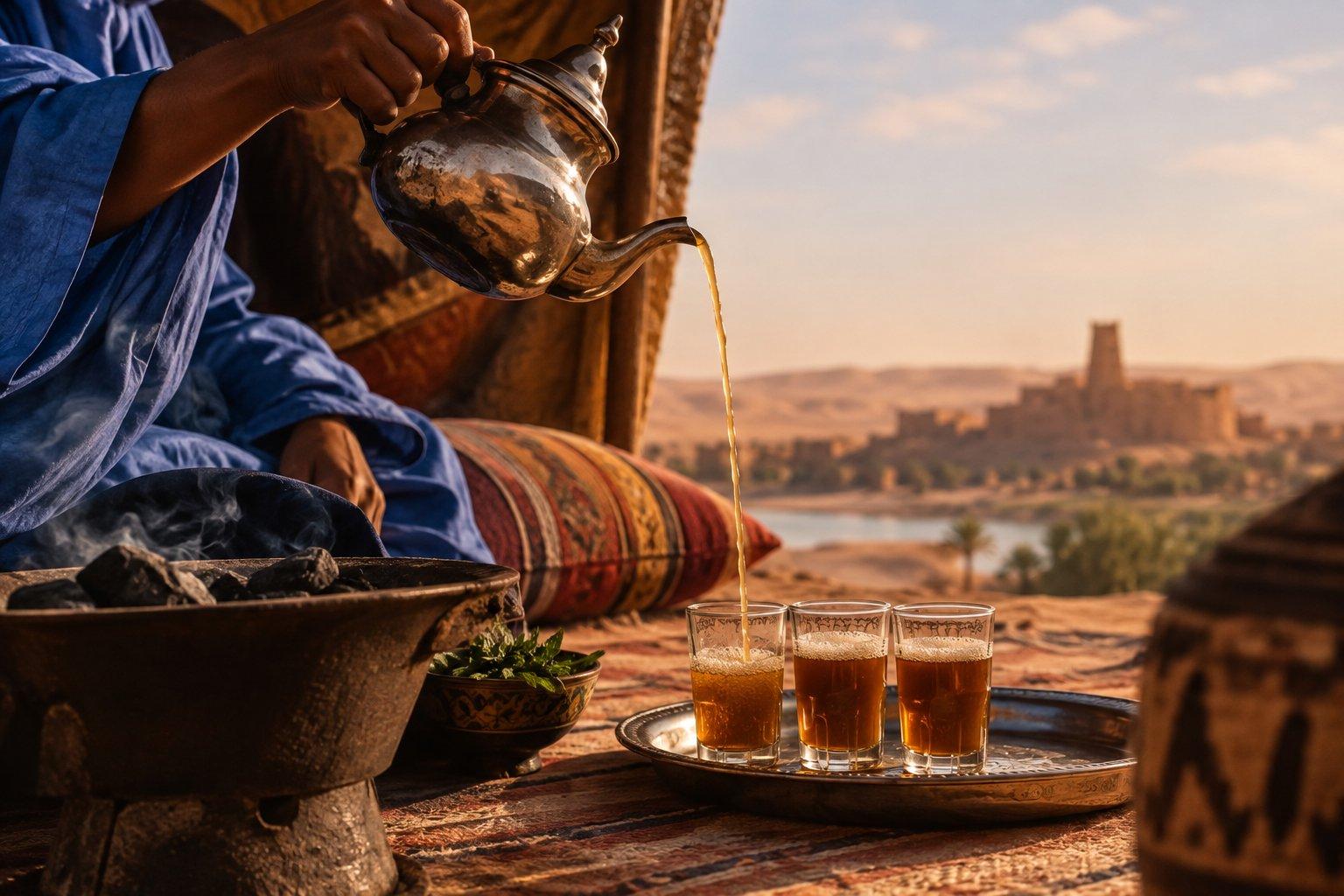
Mauritanian tea ceremony with three glasses of mint tea being poured from a traditional teapot beside a charcoal brazier, with desert scenery and an oasis in the background.

September 15, 2026

Mauritania: Where Tea, Memory and Culture Meet

Explore Mauritania’s culture through its three-glass tea ritual, food, languages, religion, music, clothing, history, and the legacy of slavery.

Read more
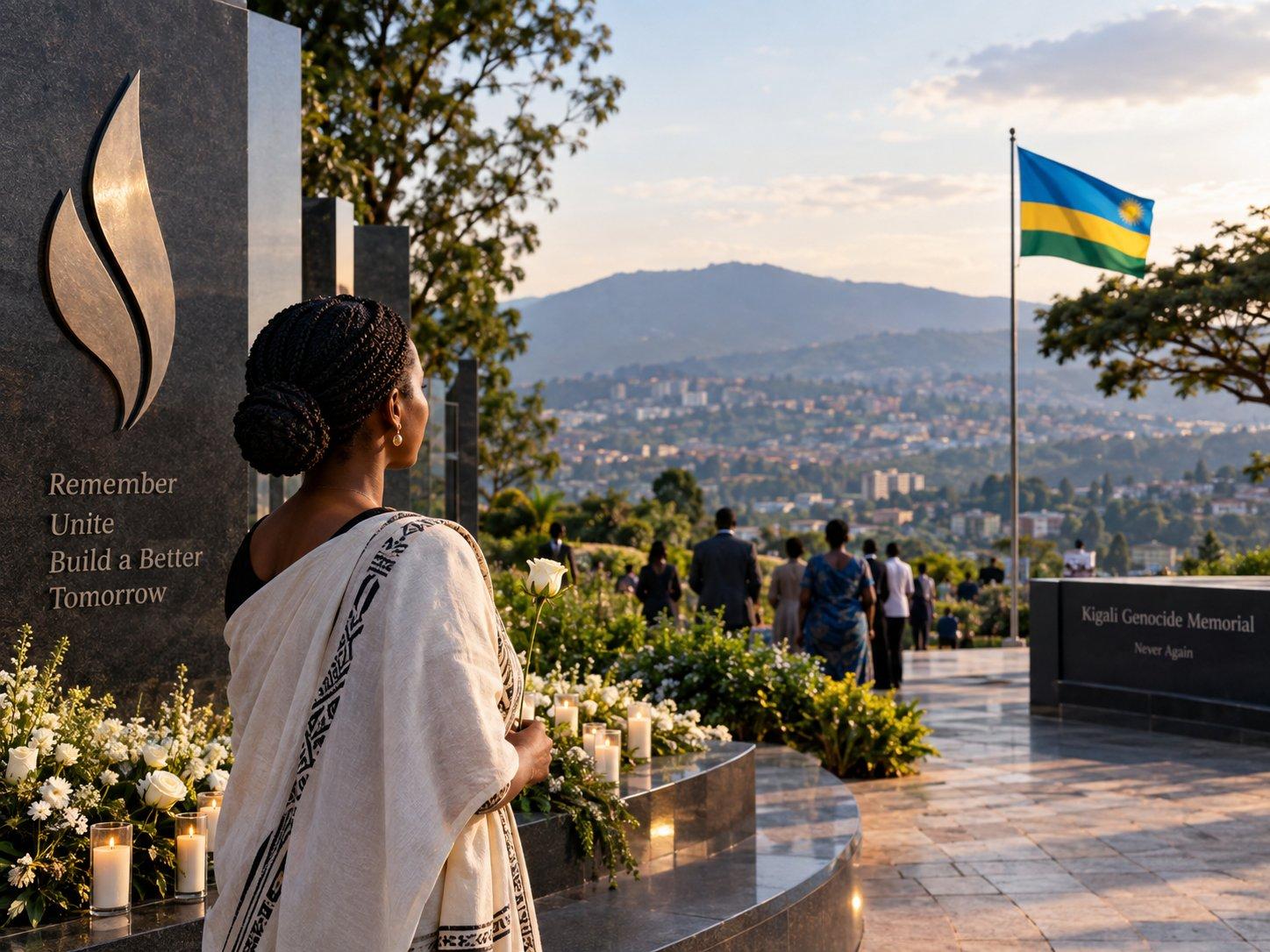
Rwandan woman holding a white flower at the Kigali Genocide Memorial, with candles, visitors, the Rwandan flag and Kigali’s hills in the background.

September 15, 2026

Rwanda: The Culture, History and Traditions of a Country Remembering Together

Explore Rwanda's culture, history and traditions, from Kinyarwanda and Intore dance to food, crafts, religion and how the country remembers the 1994 genocide.

Read more
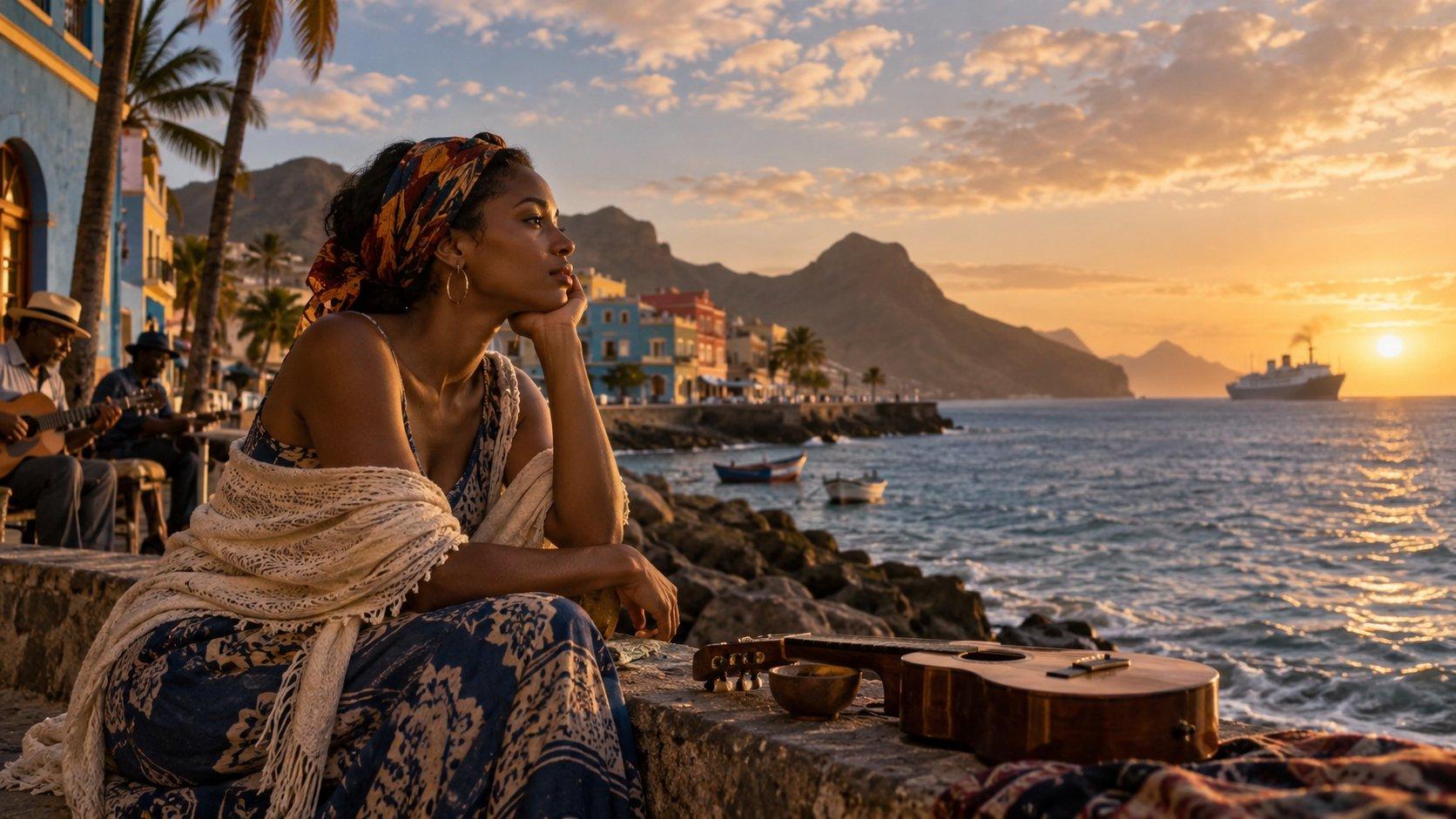
Cape Verdean woman sitting by a coastal waterfront at sunset, looking out over the Atlantic as musicians play nearby, with colorful buildings, volcanic mountains, small boats and a distant ship evoking morna, migration and sodade.

September 14, 2026

Cape Verde: The Country Built From a Feeling

Explore Cape Verde culture through its history, Kriolu language, morna music, food, Carnival, migration, diaspora and the meaning of sodade.

Read more
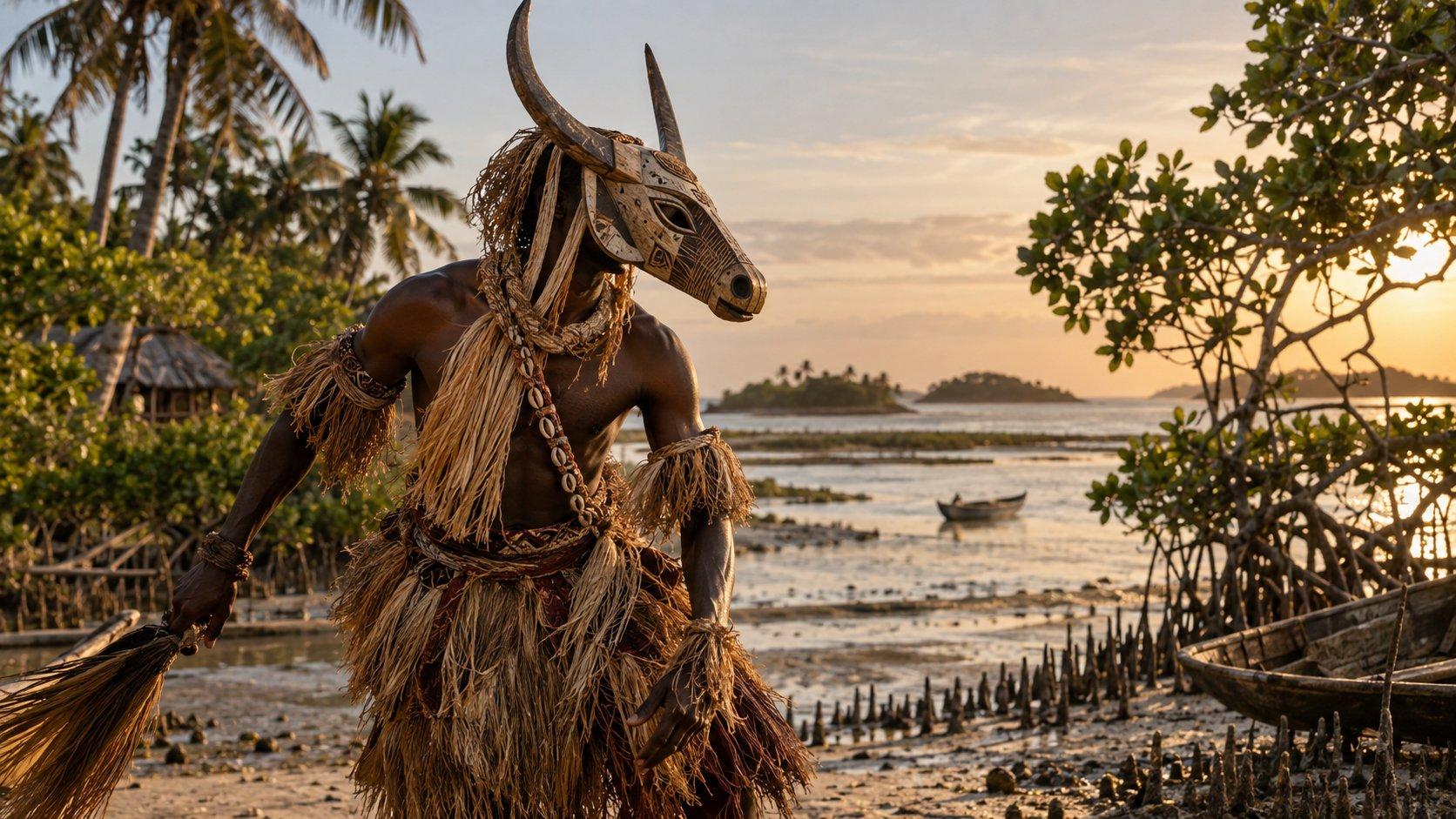
Bijagó man wearing a carved ox mask and raffia ceremonial attire beside a mangrove shoreline in Guinea-Bissau’s Bijagós Archipelago at sunset.

September 14, 2026

Guinea-Bissau: The Islands Where Masks Still Rule

Explore Guinea-Bissau’s culture, from Bijagós initiation masks and matrilineal traditions to Kriol, Amílcar Cabral, rice farming and independence.

Read more

Map of Africa illustrated with mining, automotive manufacturing, modern cities, ports, LNG infrastructure and glowing investment routes representing foreign direct investment across the continent.

September 14, 2026

Where Foreign Investment Is Going in Africa

Discover which African countries attracted the most foreign investment in 2025, why capital is flowing into them, and what investors are backing across the continent.

Read more
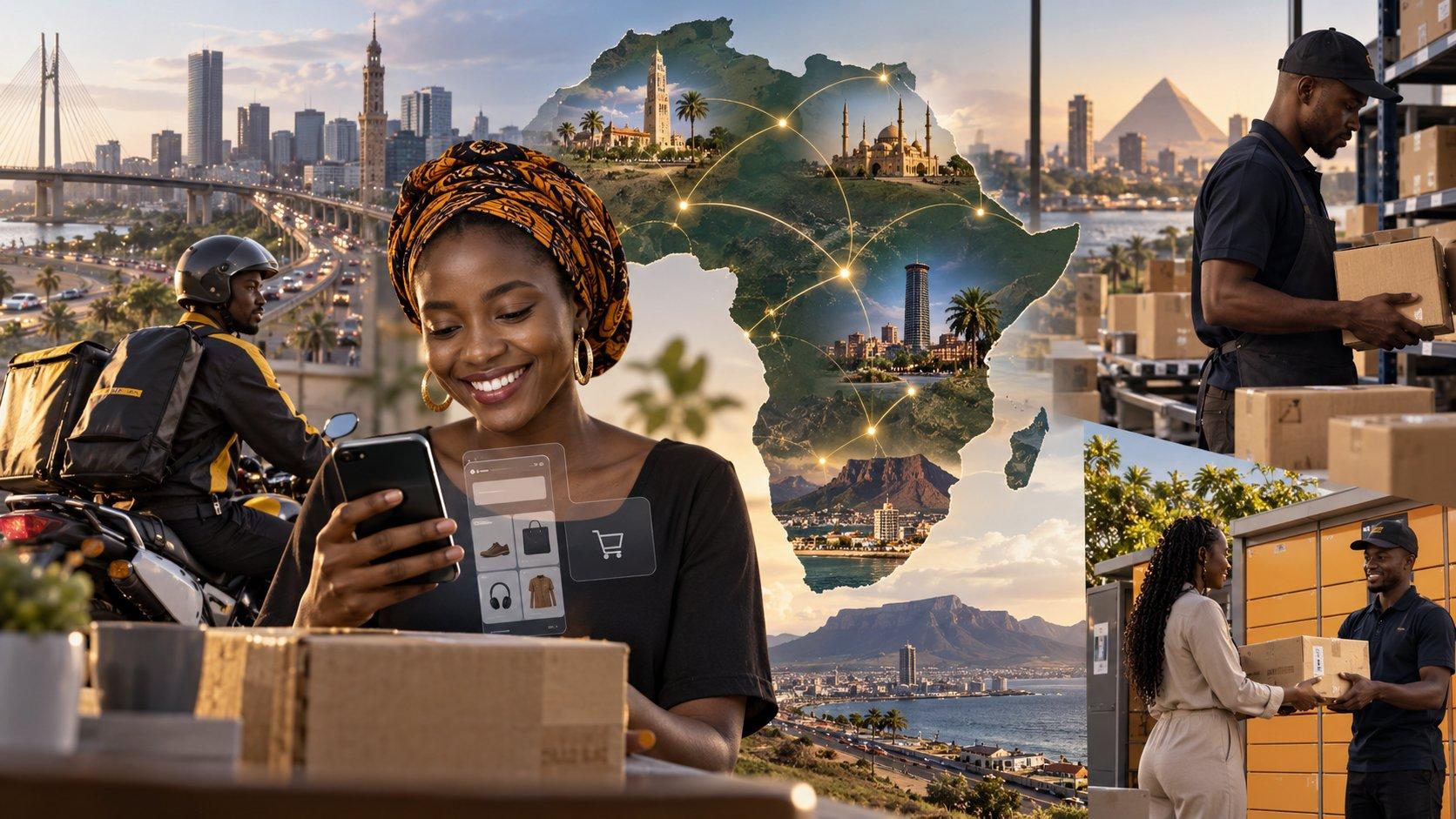
African woman shopping on a smartphone beside parcels, with delivery riders, warehouse workers and a connected map of Africa representing e-commerce, payments and logistics across the continent.

September 14, 2026

Why E-Commerce Works Better in Some African Countries Than Others

Which African countries are best positioned for e-commerce? Compare South Africa, Nigeria, Egypt, Kenya and Morocco on payments, logistics and internet access.

Read more
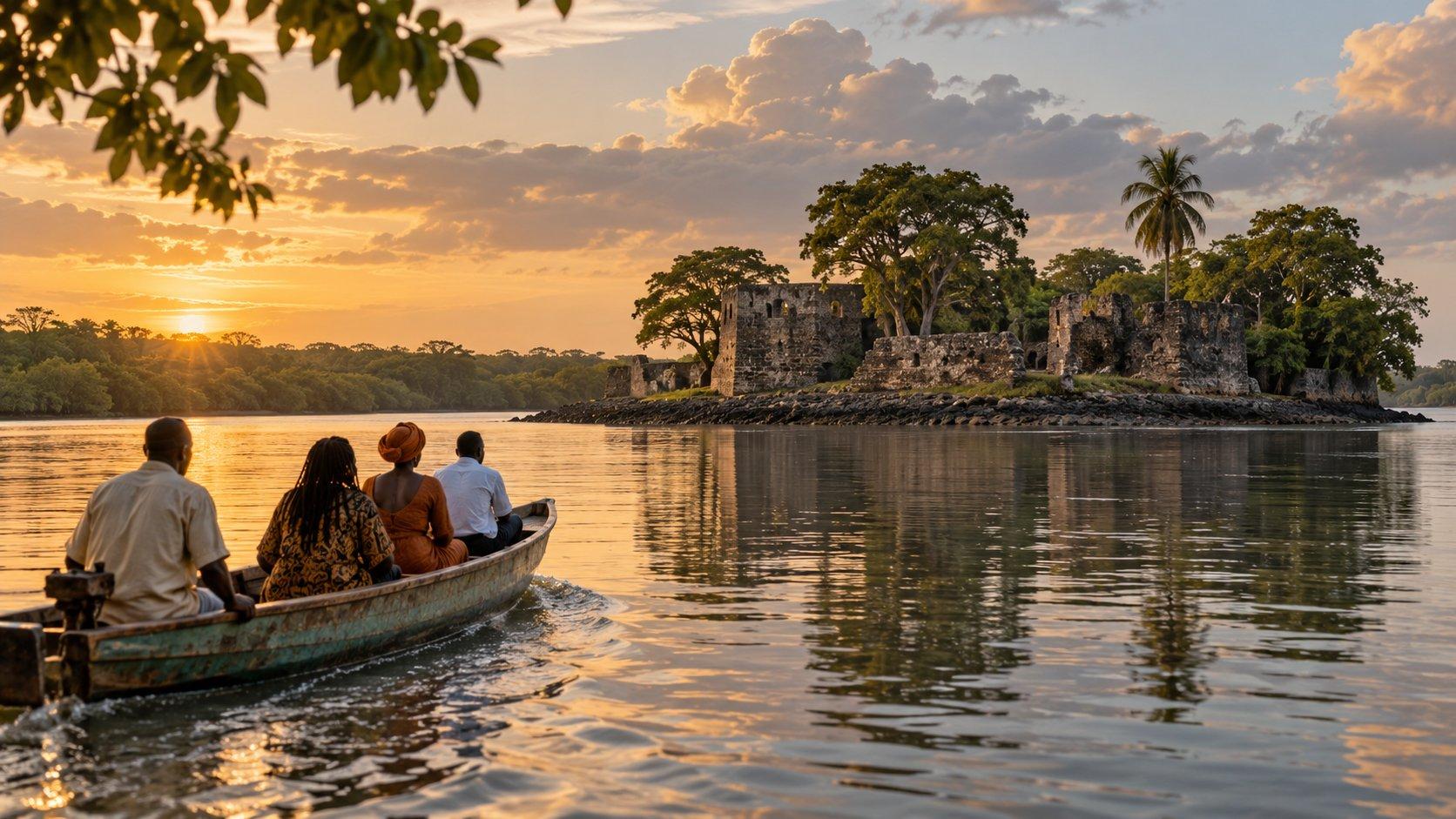
Visitors travel by boat along the Gambia River toward the historic ruins of Kunta Kinteh Island at sunset.

September 14, 2026

The Gambia: The River That Became a Pilgrimage

Explore The Gambia’s history and culture through the Gambia River, Kunta Kinteh Island, Roots, Mandinka traditions, stone circles, food, music and Kankurang.

Read more
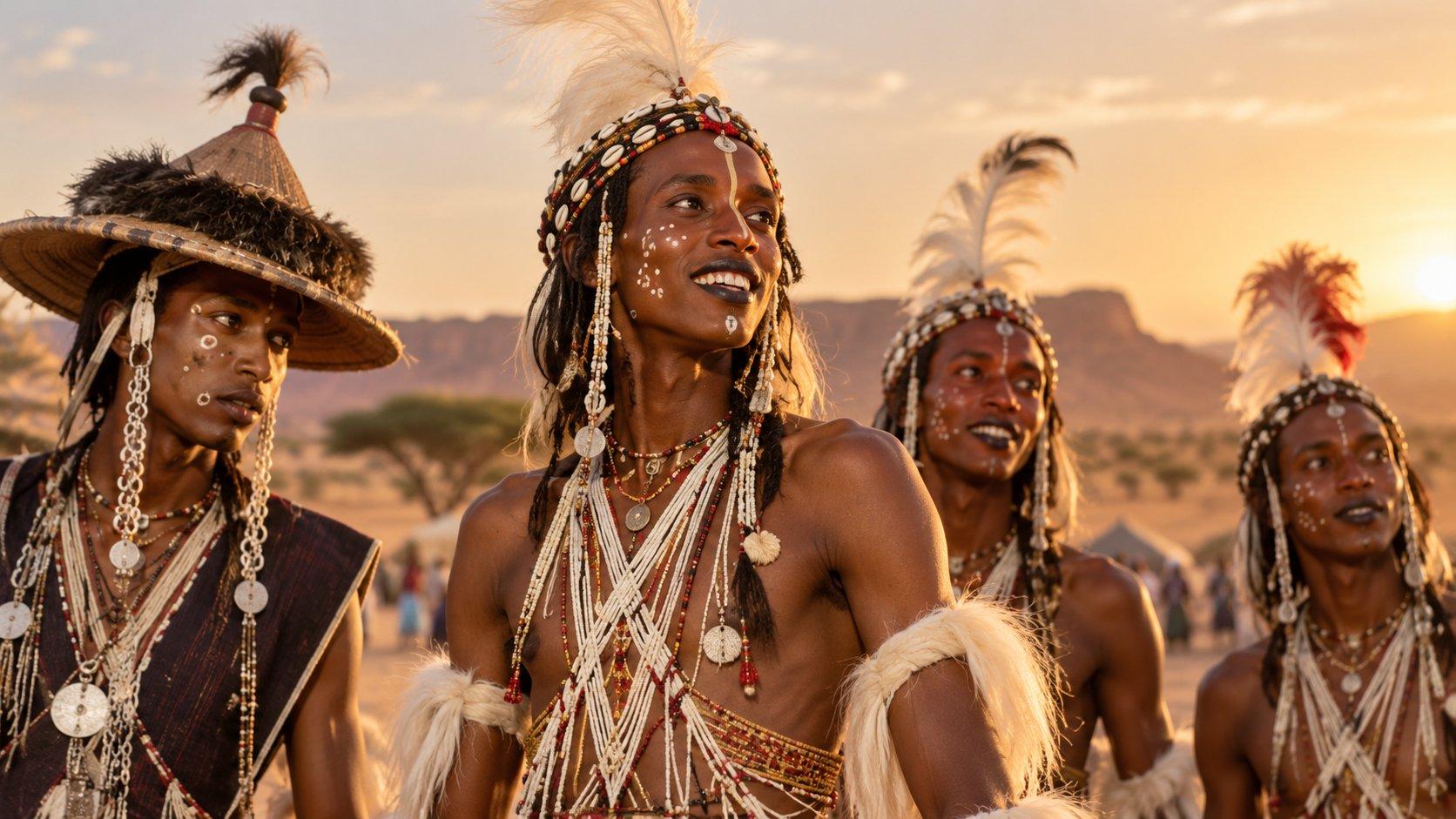
Wodaabe men in traditional Gerewol dress and face paint standing in the Nigerien Sahel at sunset, wearing feathered headdresses, beads and ceremonial jewellery.

September 13, 2026

Niger: Where Men Compete for Beauty

Explore Gerewol in Niger, the Wodaabe courtship tradition where men dance and women choose, alongside Cure Salée, Niger’s history, culture and pastoral life.

Read more
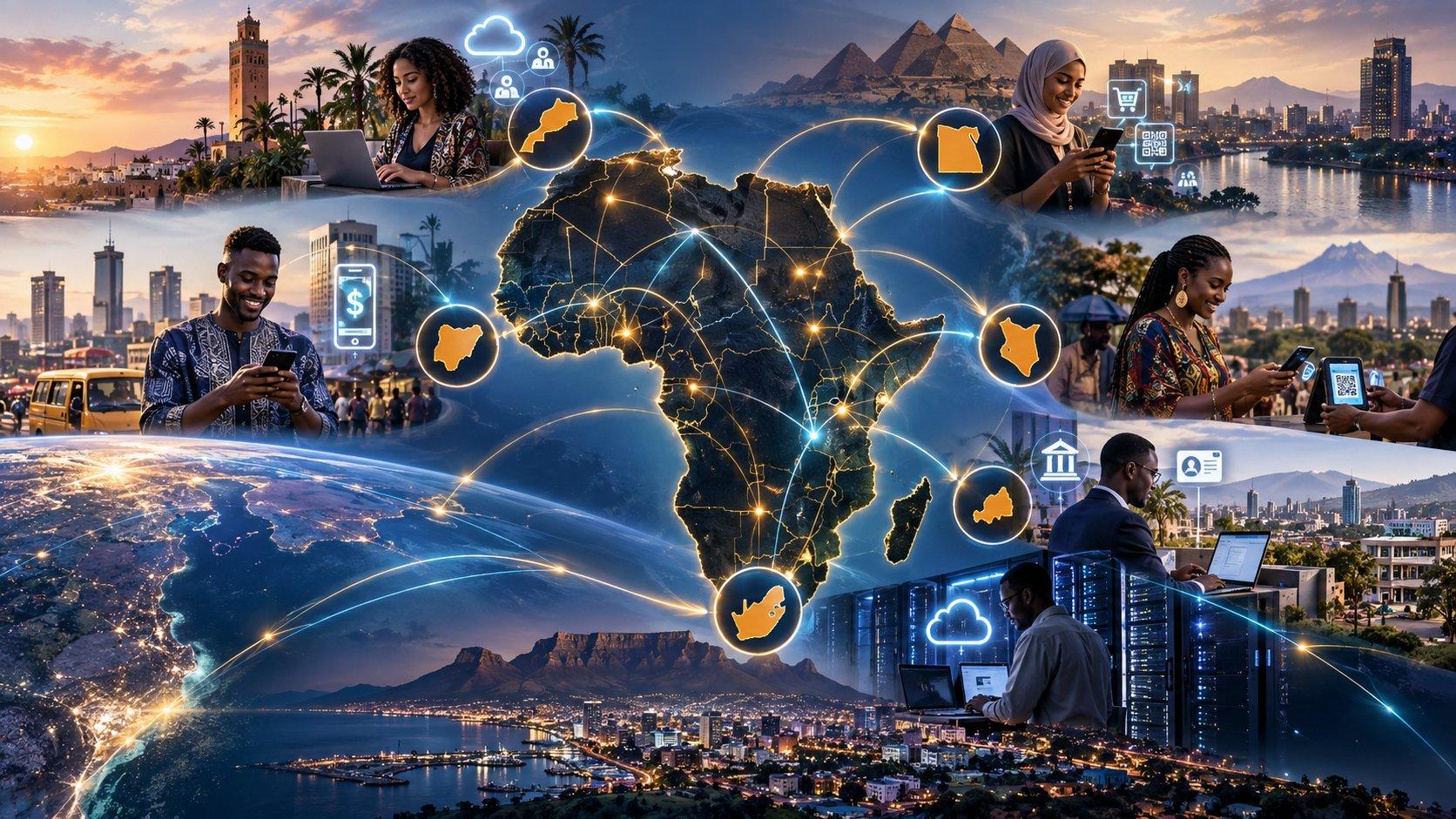
Digital illustration of Africa connected by glowing network lines, surrounded by scenes representing mobile payments, cloud computing, digital services and online government across Morocco, Egypt, Nigeria, Kenya, Rwanda and South Africa.

September 13, 2026

Which African Countries Are Building the Strongest Digital Economies?

Compare digital economies in Africa through Kenya, Nigeria, South Africa, Egypt, Morocco and Rwanda, from payments and cloud to talent and digital government.

Read more
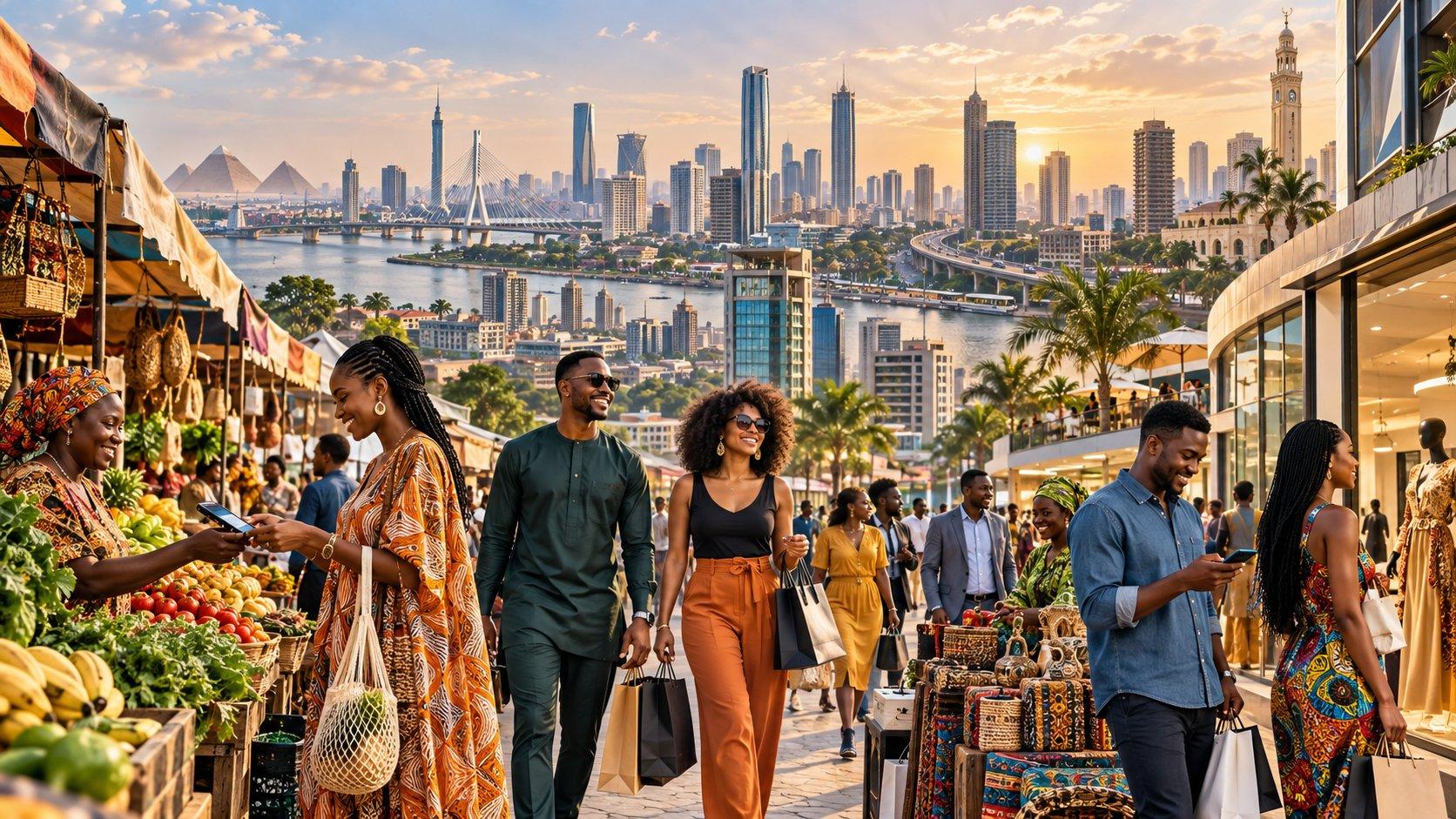
African shoppers and entrepreneurs moving through a lively market and modern retail district, with produce stalls, mobile payments, shopping bags and a large African city skyline in the background, representing the continent’s diverse and growing consumer markets.

September 13, 2026

Which African Countries Have the Largest Consumer Markets?

Population size is not the same as spending power. A country-by-country look at Africa's largest consumer markets, using income, cities and internet access.

Read more

African students and professionals using laptops, tablets and smartphones for online learning, with a digital map of Africa highlighting major e-learning hubs.

September 13, 2026

The African Countries Building the Biggest E-Learning Markets

Which African countries have the largest e-learning markets? Explore South Africa, Nigeria, Kenya, Morocco and the forces shaping digital learning across Africa.

Read more
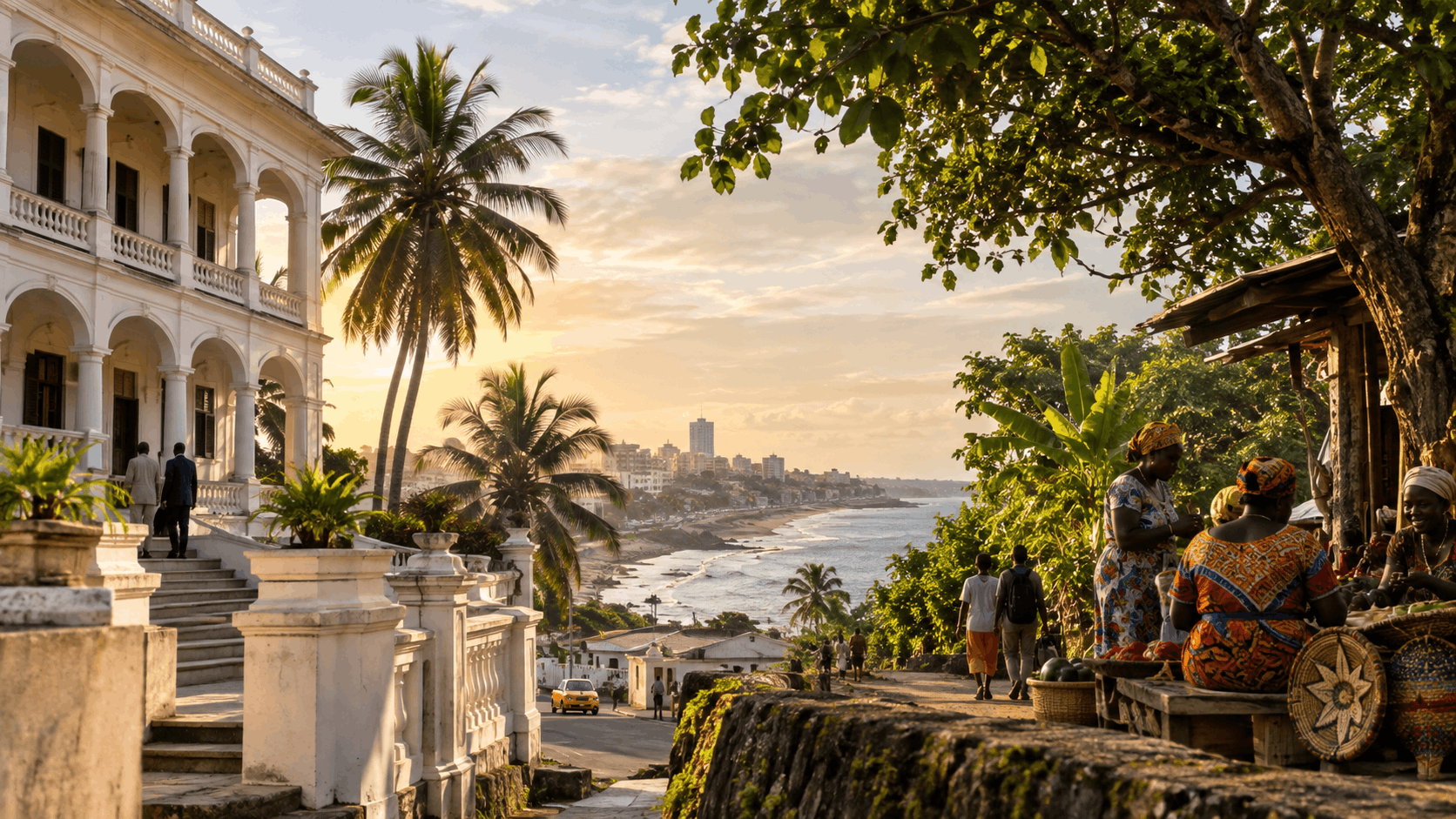
A golden-hour view of Liberia showing historic Americo-Liberian-style architecture, palm trees, the coast, and Liberian women gathered beside woven crafts and market goods.

September 12, 2026

Liberia: The Republic Two Different Africas Built

Explore Liberia’s history and culture, from Americo-Liberian rule and indigenous communities to civil war, food, languages, religion and life today.

Read more
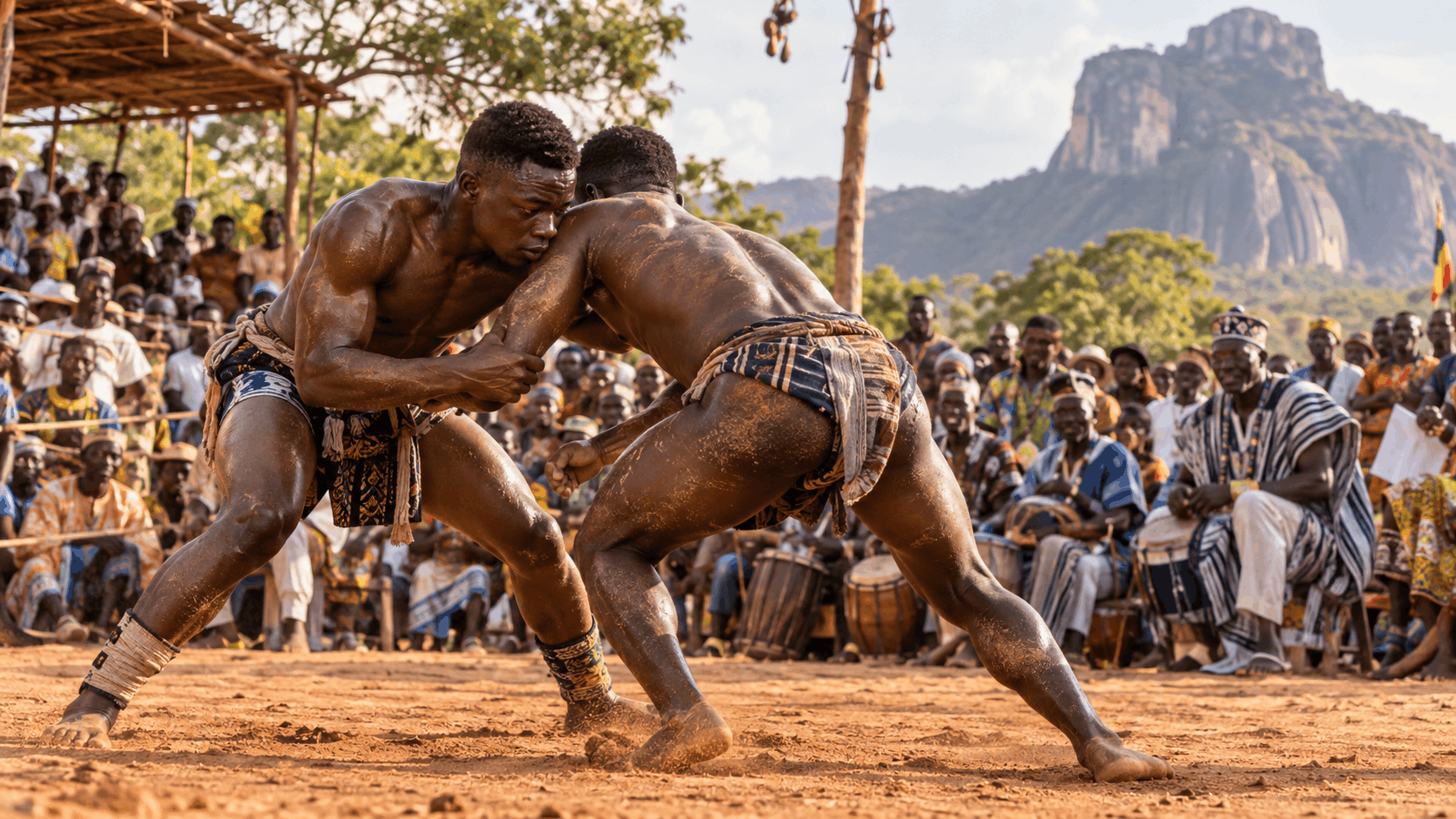
Two young Kabye men wrestling during an Evala ceremony in northern Togo, surrounded by spectators and drummers with the rocky Kara landscape in the background.

September 11, 2026

Togo: Where Evala Wrestling Still Marks the Passage into Manhood

Explore Togo culture and traditions, from Evala wrestling and Kabye initiation to Vodun, food, languages, music, history and festivals.

Read more
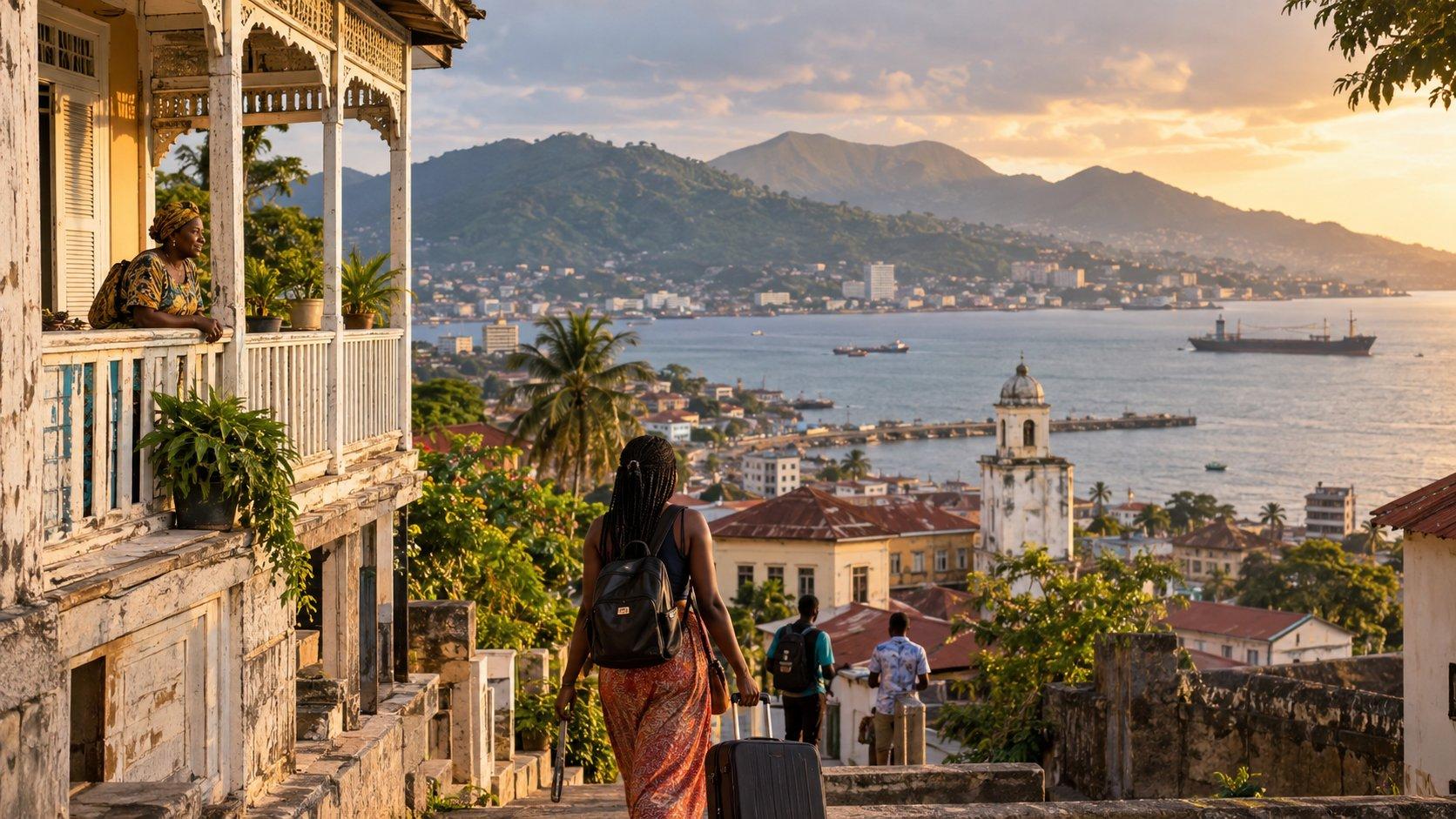
A young Black woman with a suitcase walks through historic Freetown toward the coast at sunset, passing a traditional Krio wooden house as the city, harbour and green hills stretch out in the distance.

September 11, 2026

Sierra Leone: The Country Built for People Coming Home

Explore Sierra Leone’s history, cultures, people, food, music and the story of Freetown, from Indigenous societies to the country’s postwar rebuilding.

Read more
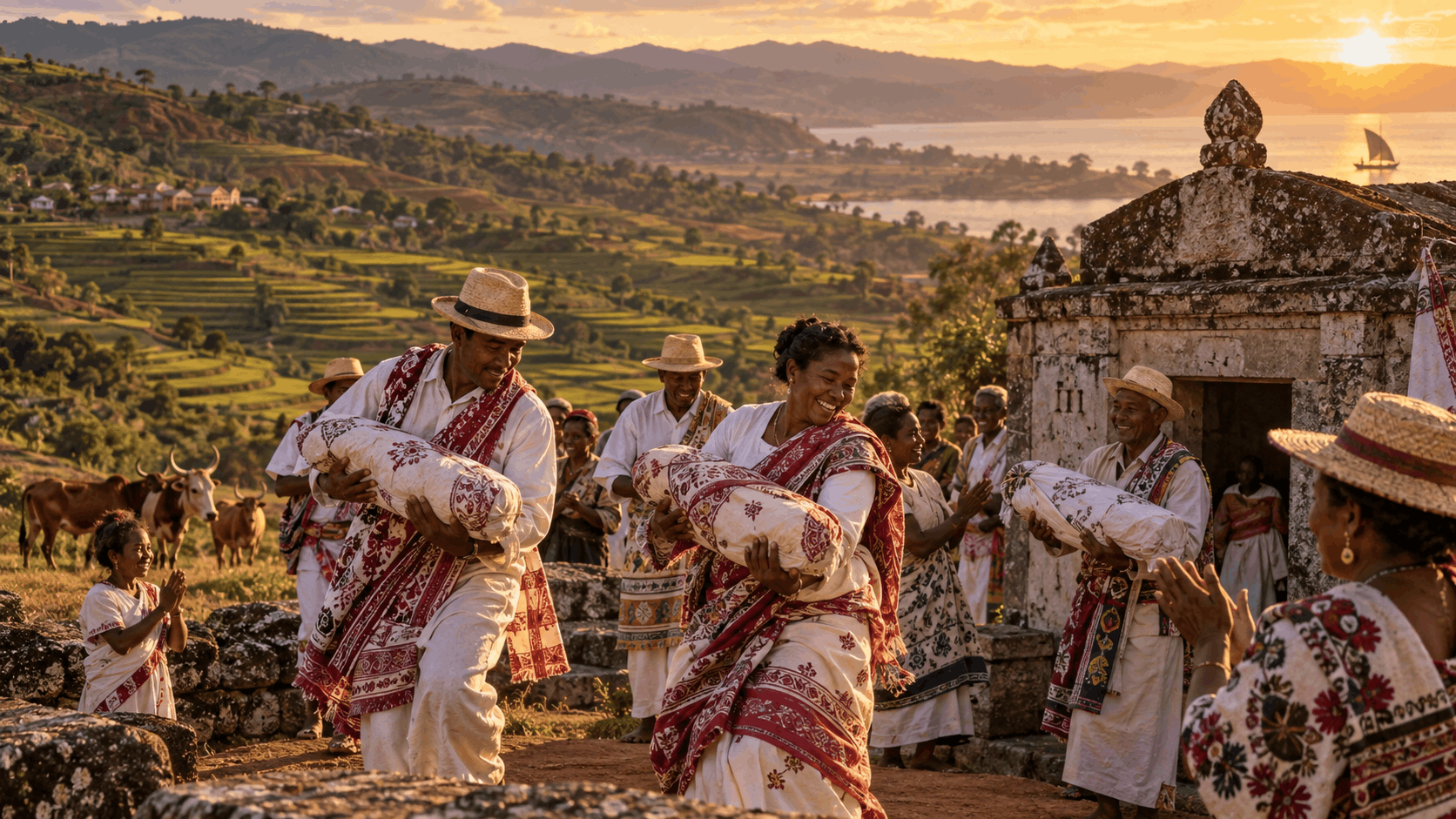
Malagasy families in traditional clothing carrying wrapped ancestral remains during a famadihana ceremony in Madagascar’s highlands, with terraced fields and mountains in the background.

September 11, 2026

Madagascar: The Island That Sailed in From Somewhere Else

Explore Madagascar's history, people, language, food, traditions, music and biodiversity, and discover how African and Southeast Asian influences shaped the island.

Read more
Young African professionals using laptops, tablets and smartphones for online learning, with a digital map of Africa and growth graphics in the background.

September 11, 2026

South Africa: The Country With Twelve Ways to Say Hello

Explore South Africa’s 12 official languages, history, food, music, traditions and cultural identity, from apartheid to amapiano and Heritage Day.

Read more
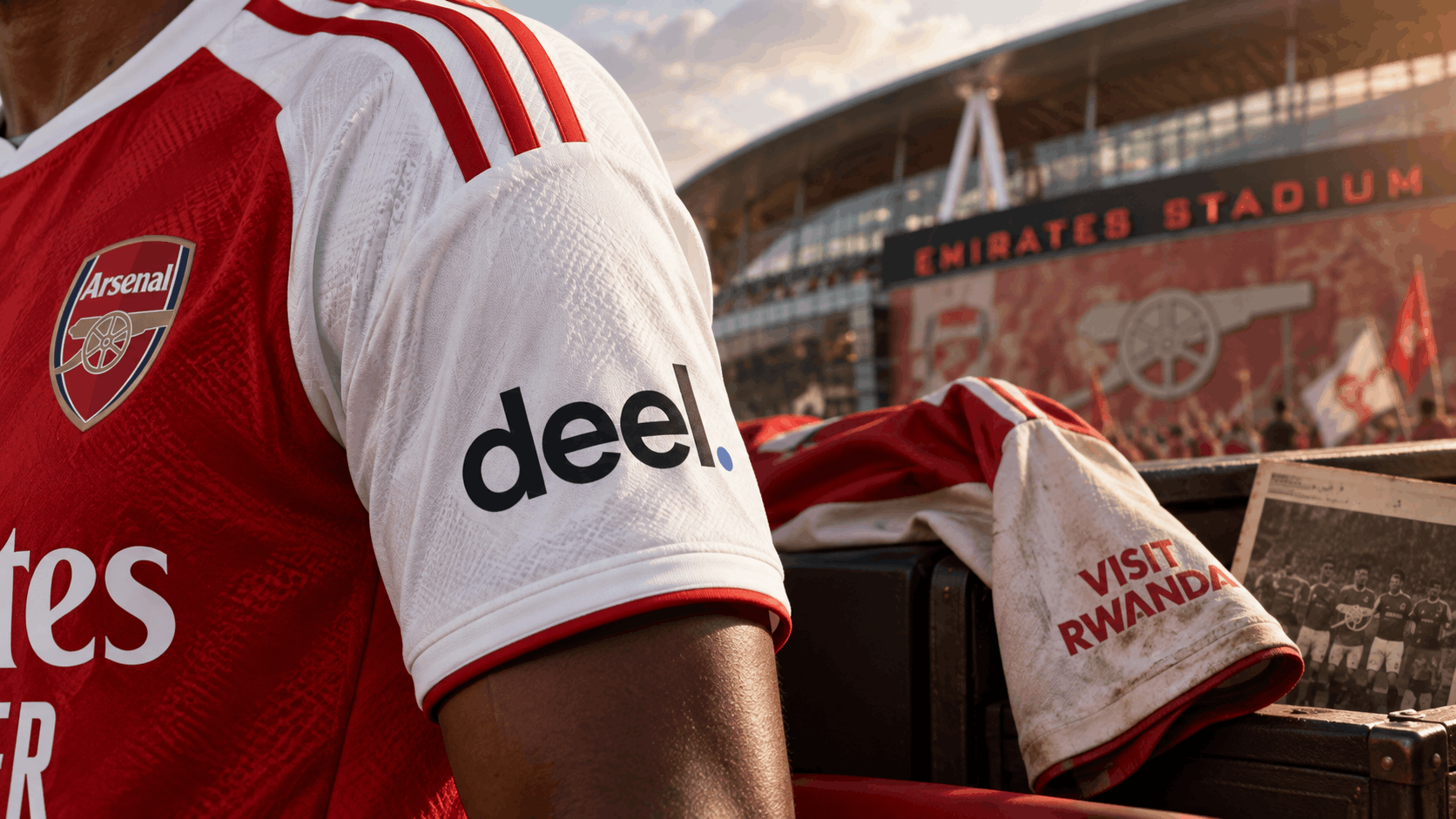
Close-up of an Arsenal shirt sleeve showing the Deel logo, with a faded Visit Rwanda sleeve from an old shirt draped nearby and Emirates Stadium in the background

September 9, 2026

Does Arsenal Still Have Visit Rwanda on Their Shirt? (2026/27 Update)

A direct answer on whether Arsenal still wears Visit Rwanda on its sleeve, what replaced it, and what stays the same for Rwanda's other sports partnerships.

Read more

Woman viewing a website on a laptop beside a digital eight-second timer, illustrating how quickly visitors form first impressions of a webpage.

September 9, 2026

What Happens in the First Few Seconds on a Website? The 8-Second Attention Span Myth

The 8-second attention span claim is a myth. Explore what research actually shows about website first impressions, scanning, credibility, and page load speed.

Read more

Arsenal shirt sleeves reading Visit Rwanda and Deel displayed side by side outside Emirates Stadium, with a signpost pointing to London and Kigali and a book marked 2018 to 2026

September 9, 2026

How Much Was Arsenal's Visit Rwanda Deal Worth? What the Public Record Shows

A year-by-year look at what is publicly documented about Arsenal's Visit Rwanda sleeve sponsorship, what the deal was reportedly worth, and how it compares with the Deel agreement that replaced it.

Read more
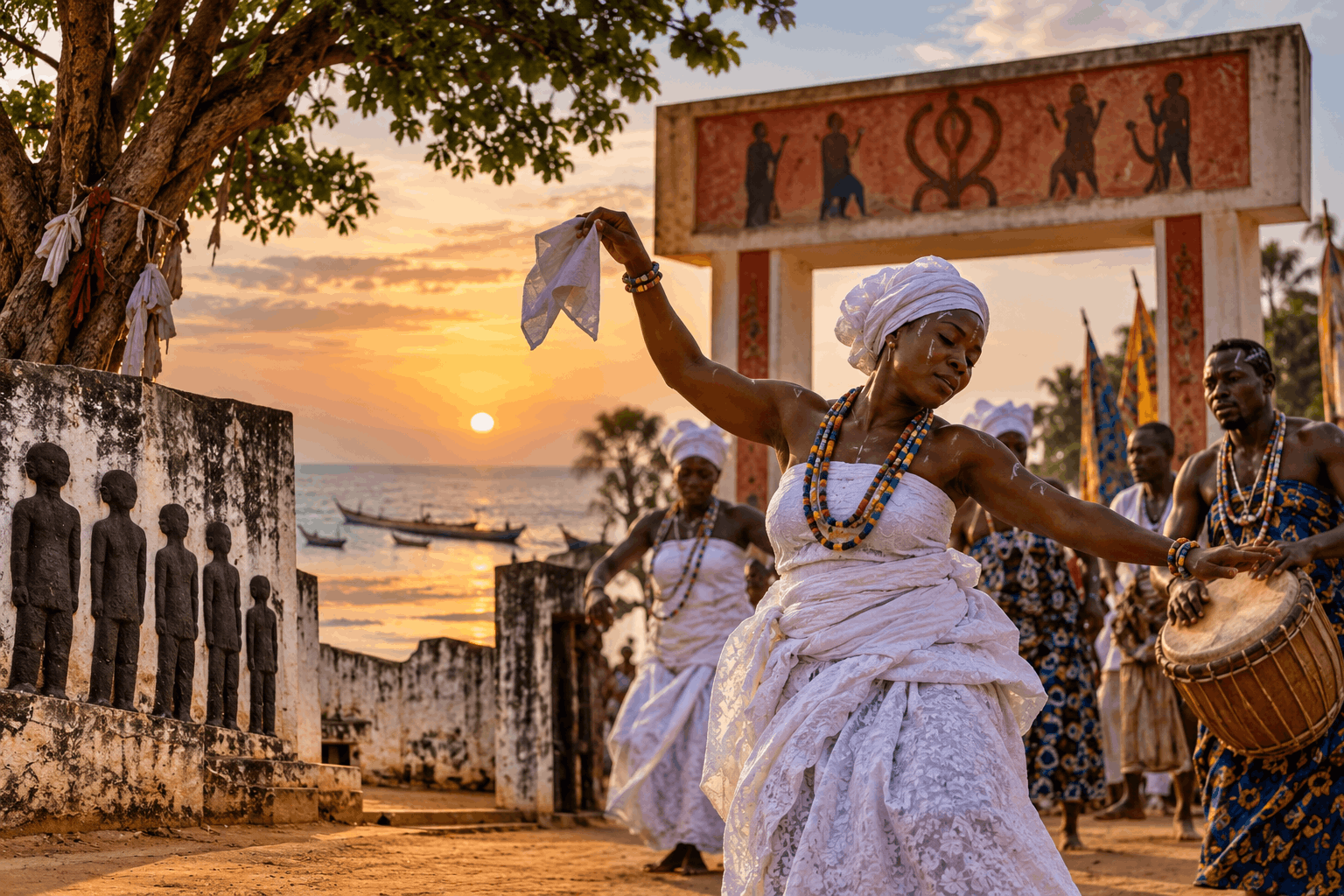
Woman in traditional white clothing dancing during a Vodun ceremony in Ouidah, Benin, with drummers, worshippers, coastal scenery and the Door of No Return in the background.

September 9, 2026

Benin: History, Culture, Vodun and the Kingdom of Dahomey

Explore Benin's history and culture, from the Kingdom of Dahomey and the Atlantic slave trade to Vodun, royal traditions, food, music, art and life in Benin today.

Read more
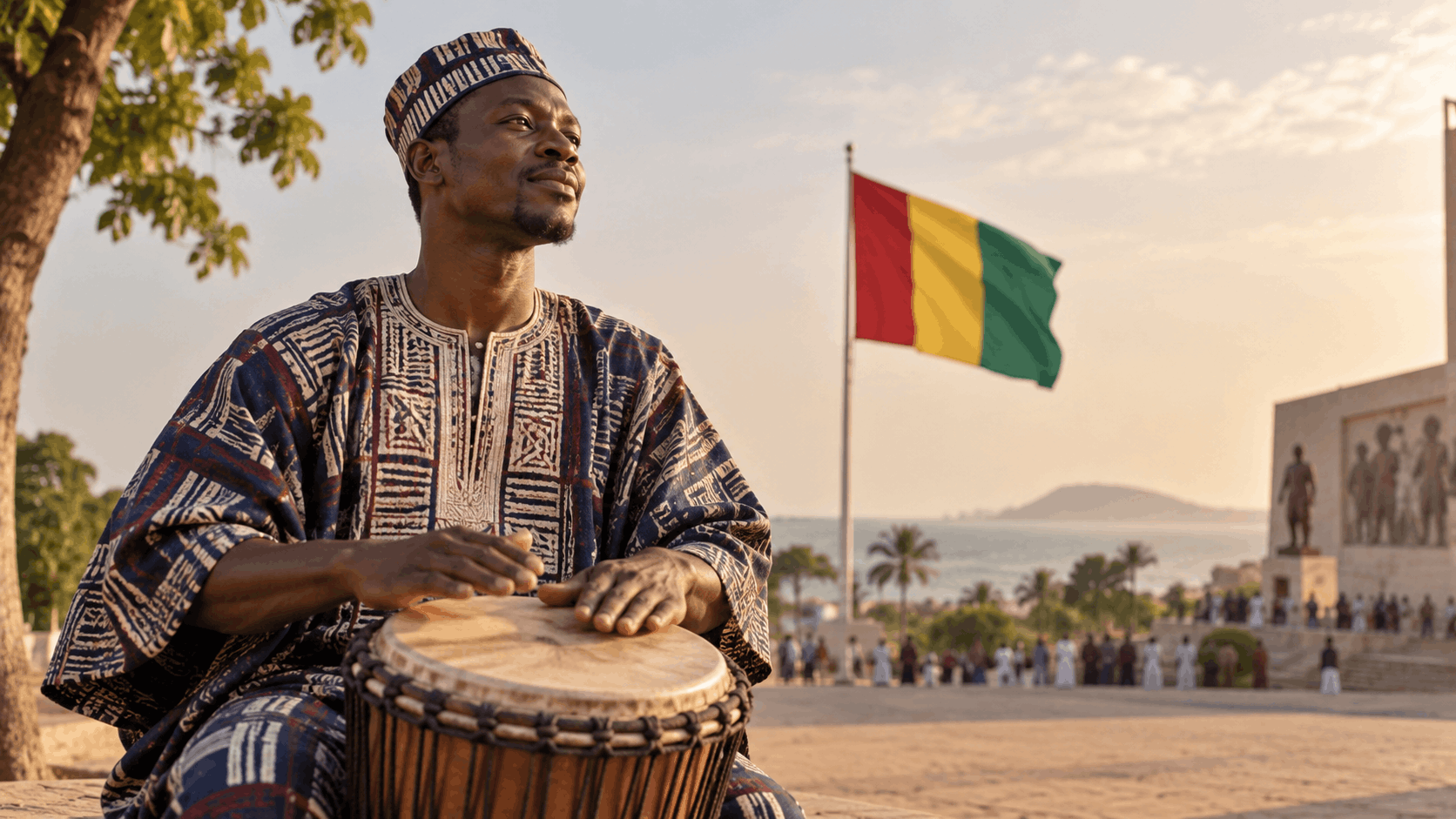
A Guinean musician playing a djembe in traditional clothing, with Guinea’s red, yellow and green flag flying behind him in a warm, sunlit public square, symbolising the country’s cultural heritage and its historic 1958 decision to choose immediate independence from France.

September 9, 2026

Guinea History: Independence, Culture, Music and the Story of a Country That Said No First

Explore Guinea's history, from the Fouta Djallon and French colonial rule to its 1958 independence, Guinean music, culture, traditions and politics today.

Read more
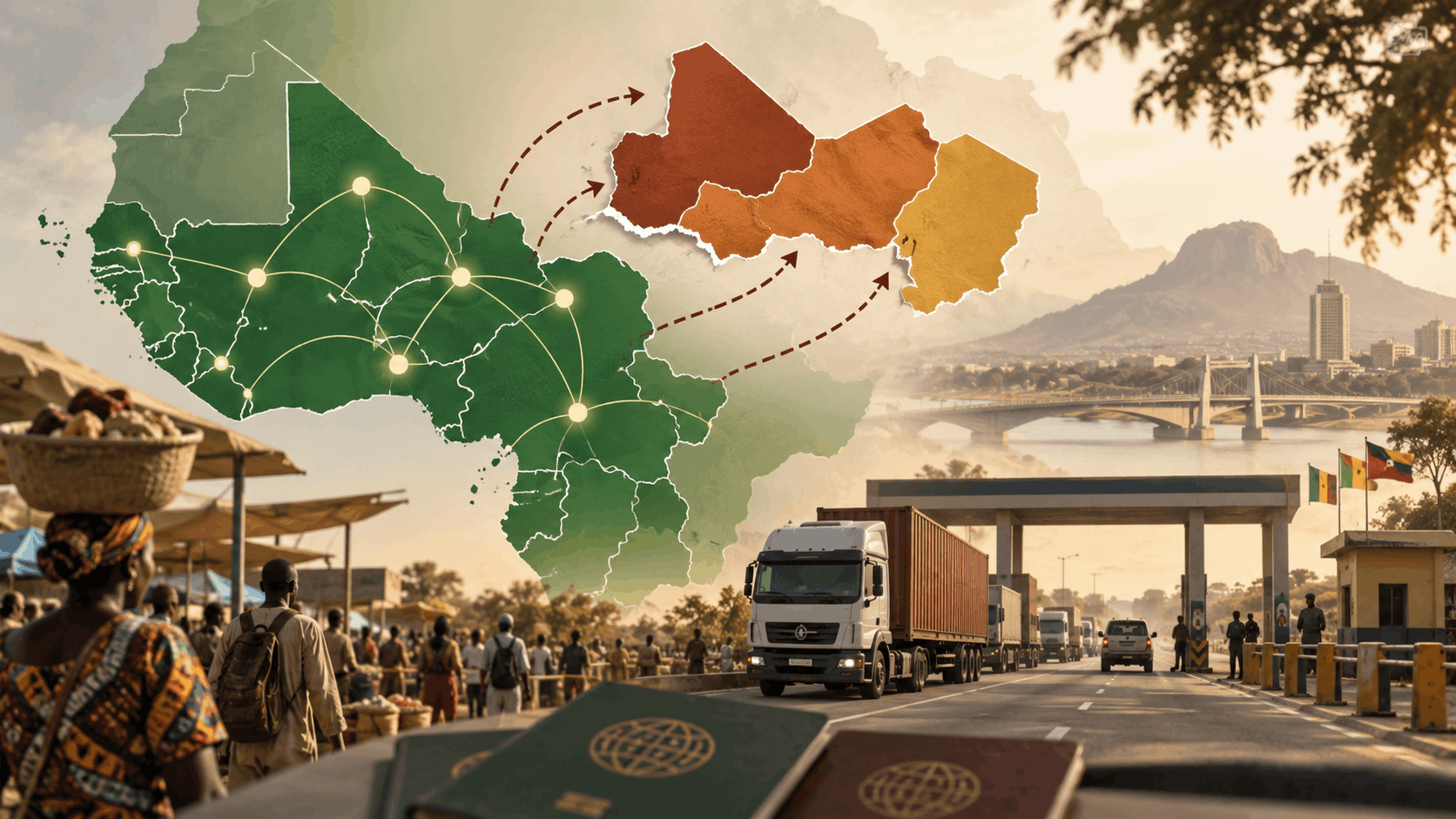
Map of West Africa showing Mali, Burkina Faso, and Niger separating from the ECOWAS region, with trade routes, border transport, travellers, and passports representing the impact on movement and regional trade.

September 8, 2026

What Does It Mean to Leave ECOWAS? Mali, Burkina Faso and Niger Explained

What does it mean to leave ECOWAS? Here’s what Mali, Burkina Faso and Niger’s 2025 withdrawal means for travel, trade, currency, security and citizens.

Read more
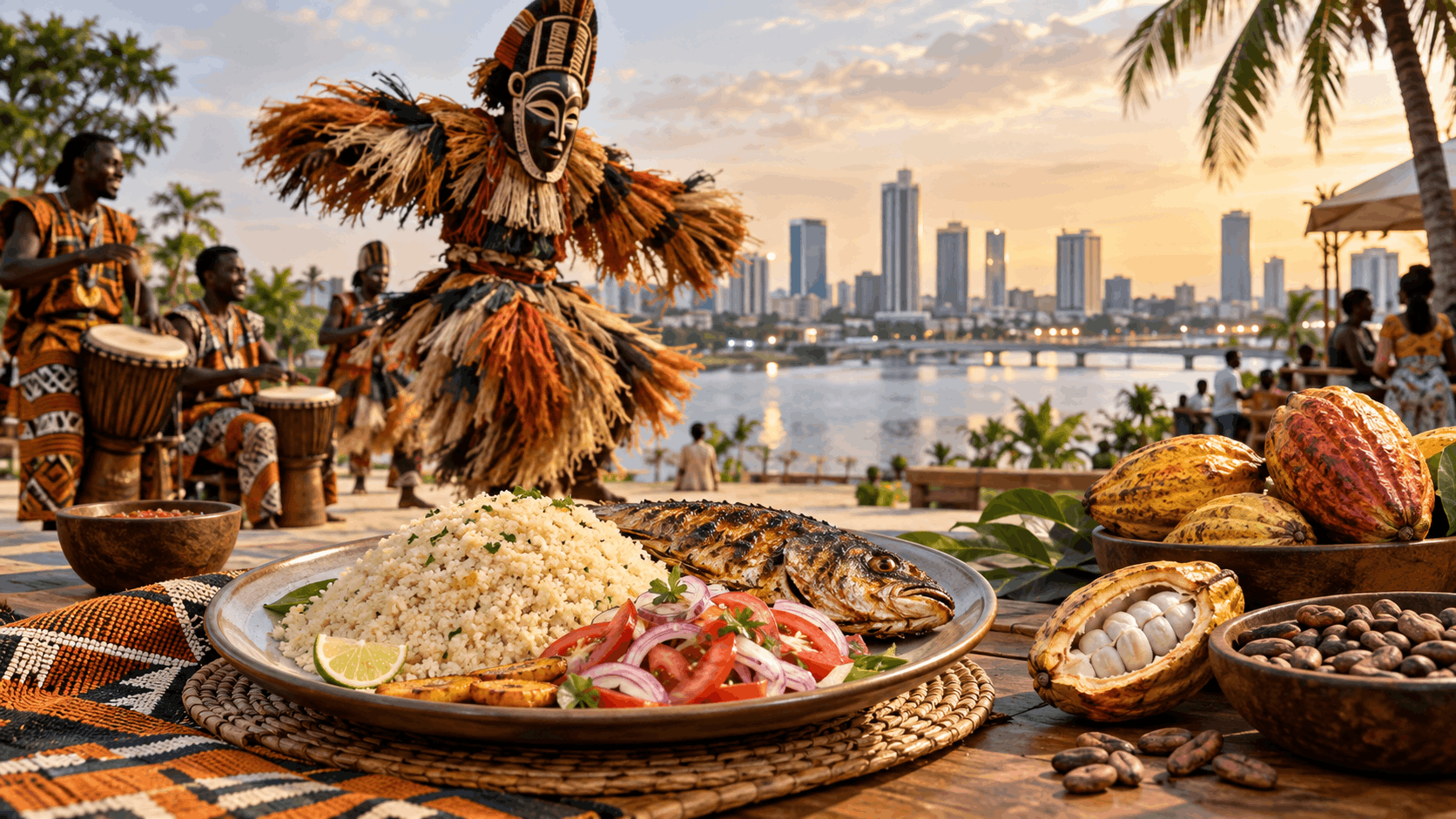
Attiéké with grilled fish, cocoa pods and beans in the foreground, with Ivorian drummers, a masked dancer and the Abidjan skyline beside the lagoon at sunset.

September 7, 2026

Côte d’Ivoire (Ivory Coast): Culture, History, Food, Music and Cocoa

Explore Côte d’Ivoire’s culture, ethnic groups, history, food, music, festivals, religion, textiles and cocoa economy, from Dipri to attiéké and zouglou.

Read more
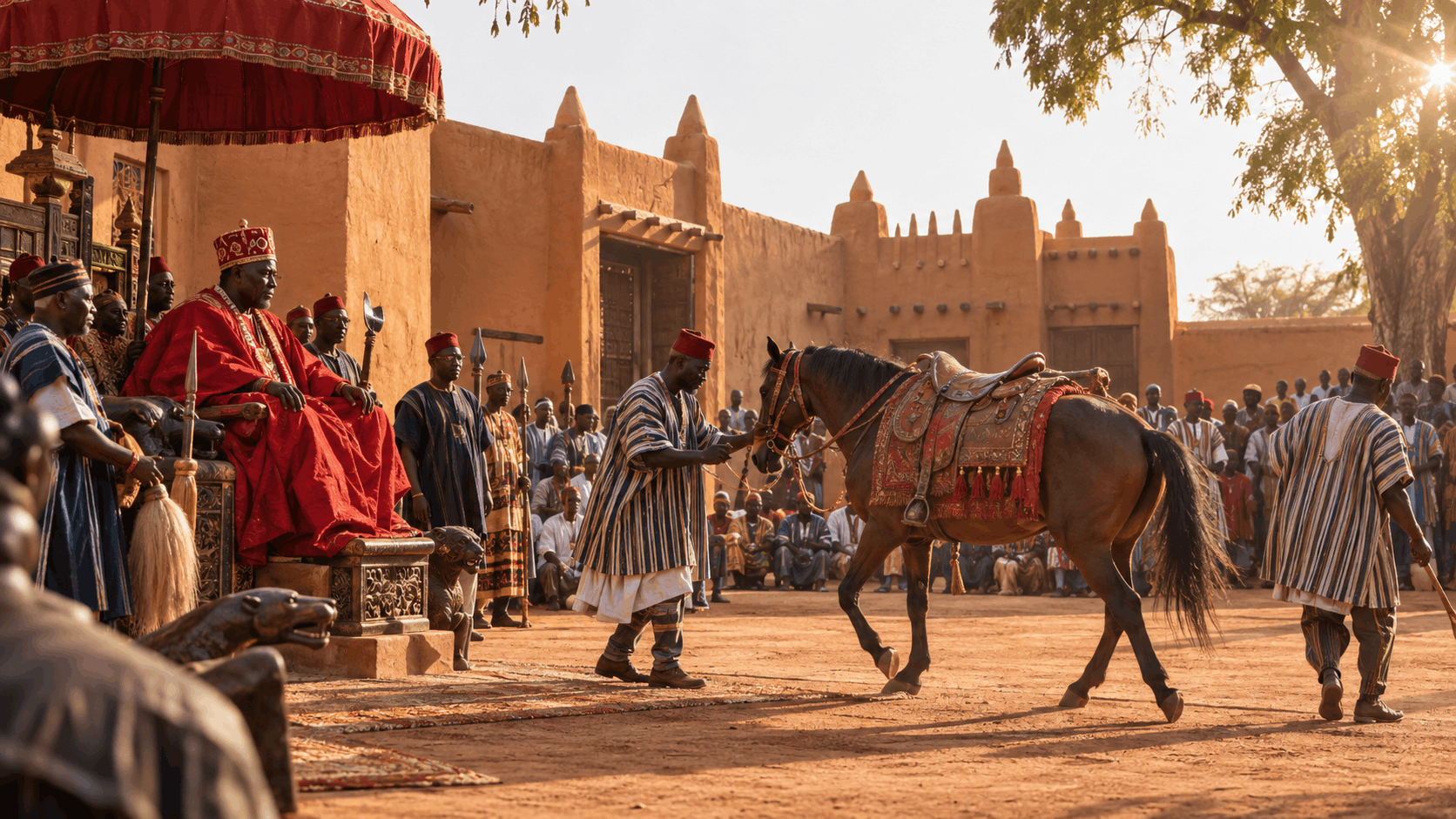
The Moro Naba sits in red ceremonial dress as attendants present a saddled horse during Burkina Faso’s traditional Friday “false departure” ceremony in Ouagadougou.

September 7, 2026

Burkina Faso: The Land of Upright People

Discover Burkina Faso's culture, history and traditions, from Mossi kingdoms and the Moro Naba ceremony to Sankara, FESPACO, Faso dan fani, food and music.

Read more
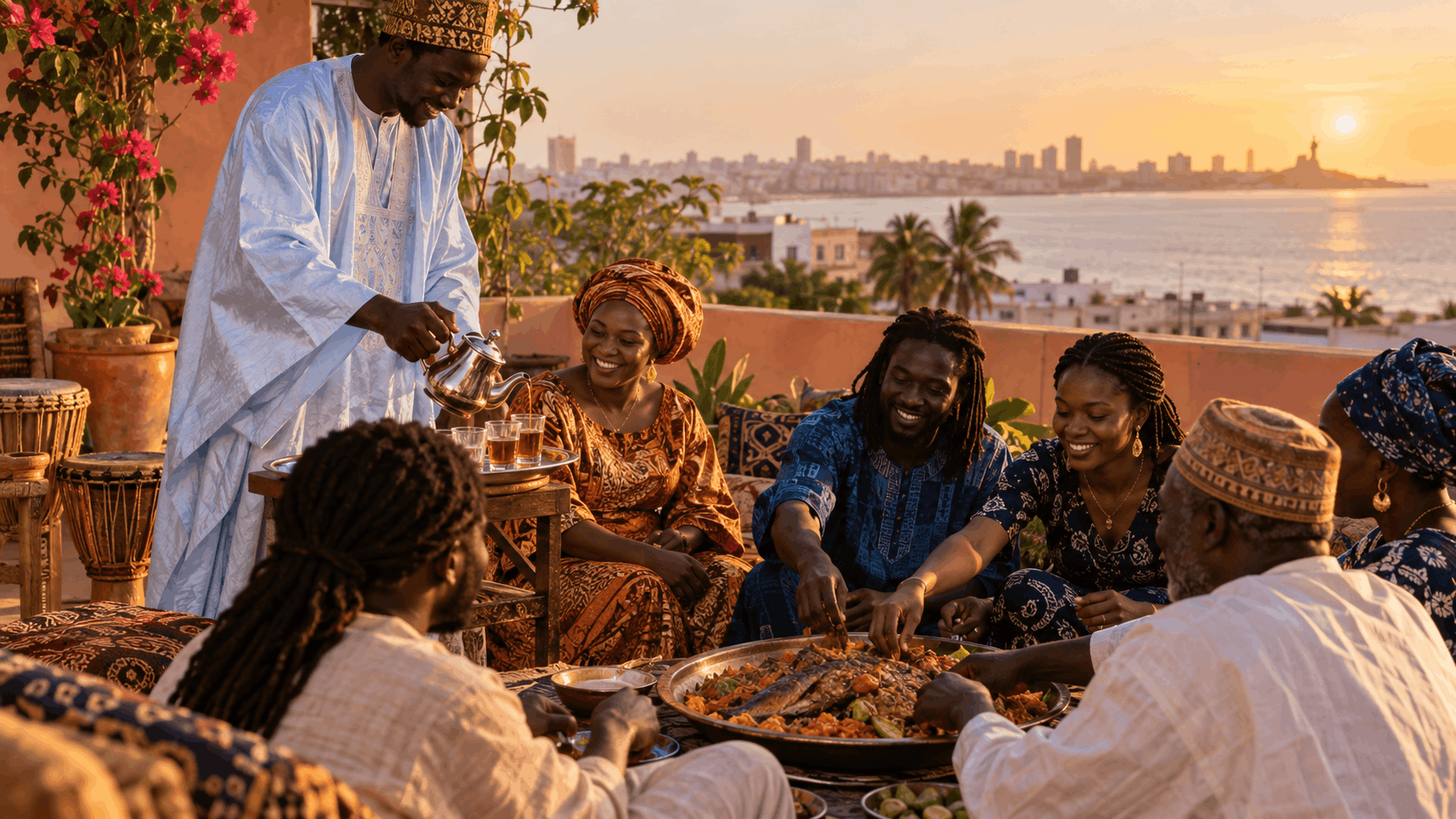
A Senegalese family and friends share a communal meal as a host pours attaya tea on a rooftop in Dakar at sunset, capturing the spirit of teranga through food, hospitality, and togetherness

September 7, 2026

Senegal: The Culture of Teranga, History, Food and Life

Explore Senegal's culture through teranga, its history, ethnic groups, religion, food, music, fashion, festivals, wrestling and the traditions shaping Senegal today.

Read more
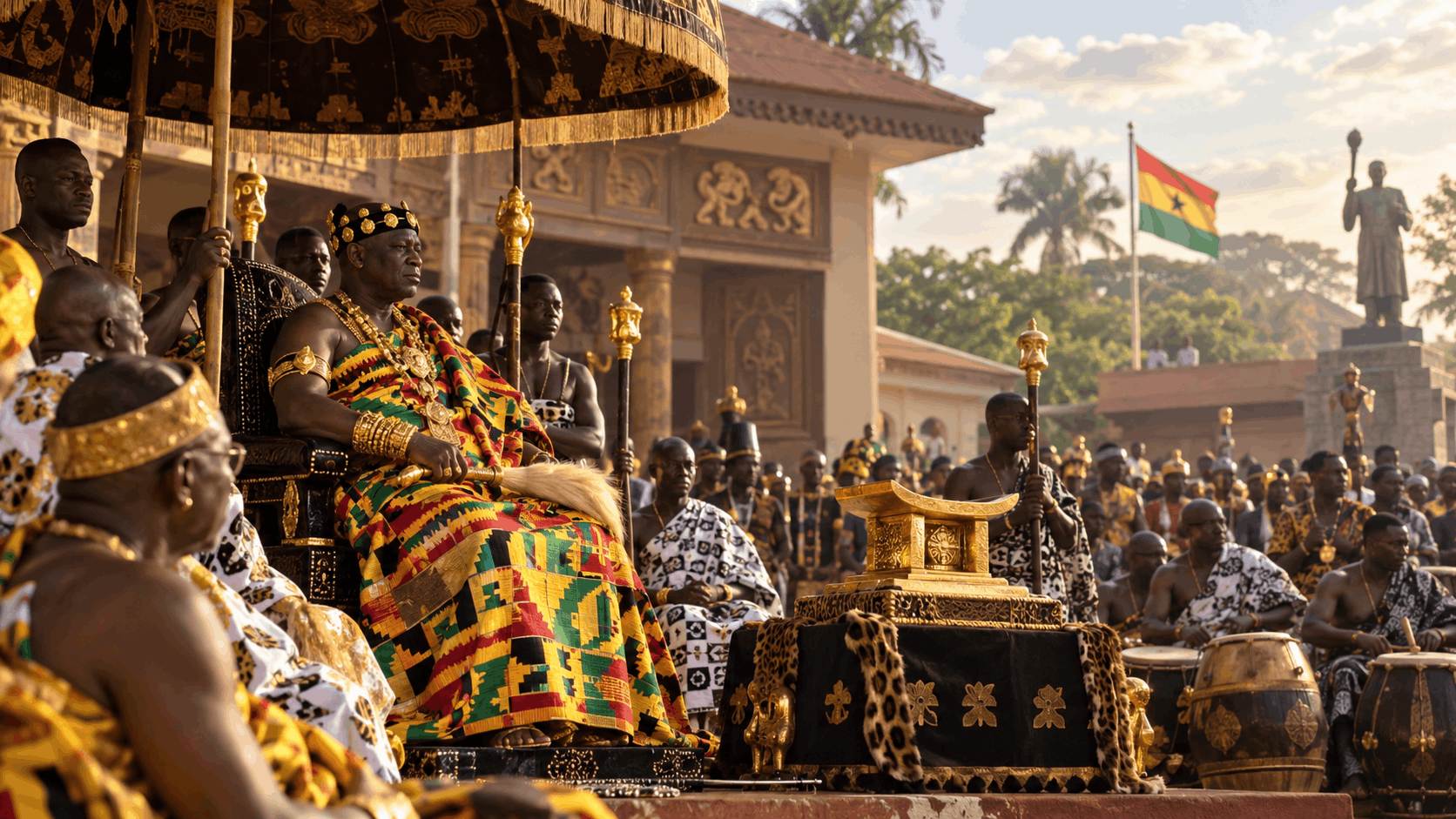
The Asantehene sits beneath a ceremonial umbrella in Kumasi, surrounded by chiefs, drummers, kente cloth, gold regalia, and the Golden Stool during an Akwasidae-style royal gathering in Ghana.

September 6, 2026

Ghana: History, Culture, Traditions and the Story of Independence

Discover Ghana's history, culture, traditions and people, from the Asante and Golden Stool to independence, festivals, food, music, and life today.

Read more
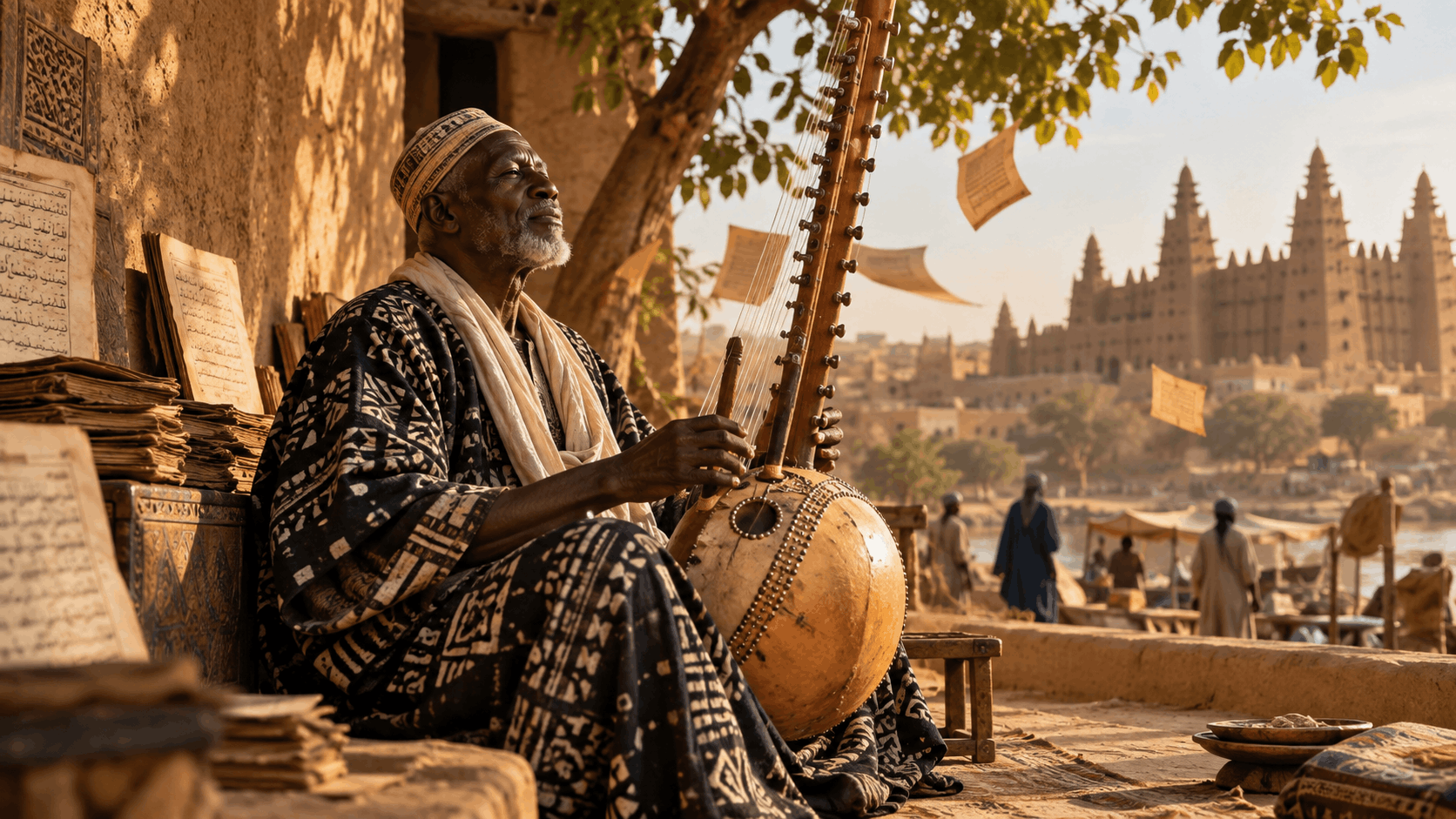
An elderly Malian jeli plays a traditional kora beside historic manuscripts, with sunlit Sahelian architecture in the background, symbolising Mali’s oral traditions, music, history, and preservation of cultural memory.

September 6, 2026

Mali Culture: The Country That Remembers Out Loud

Explore Mali culture through its history, jeli traditions, music, food, religion, textiles, festivals, and the living traditions that connect the country to its past.

Read more
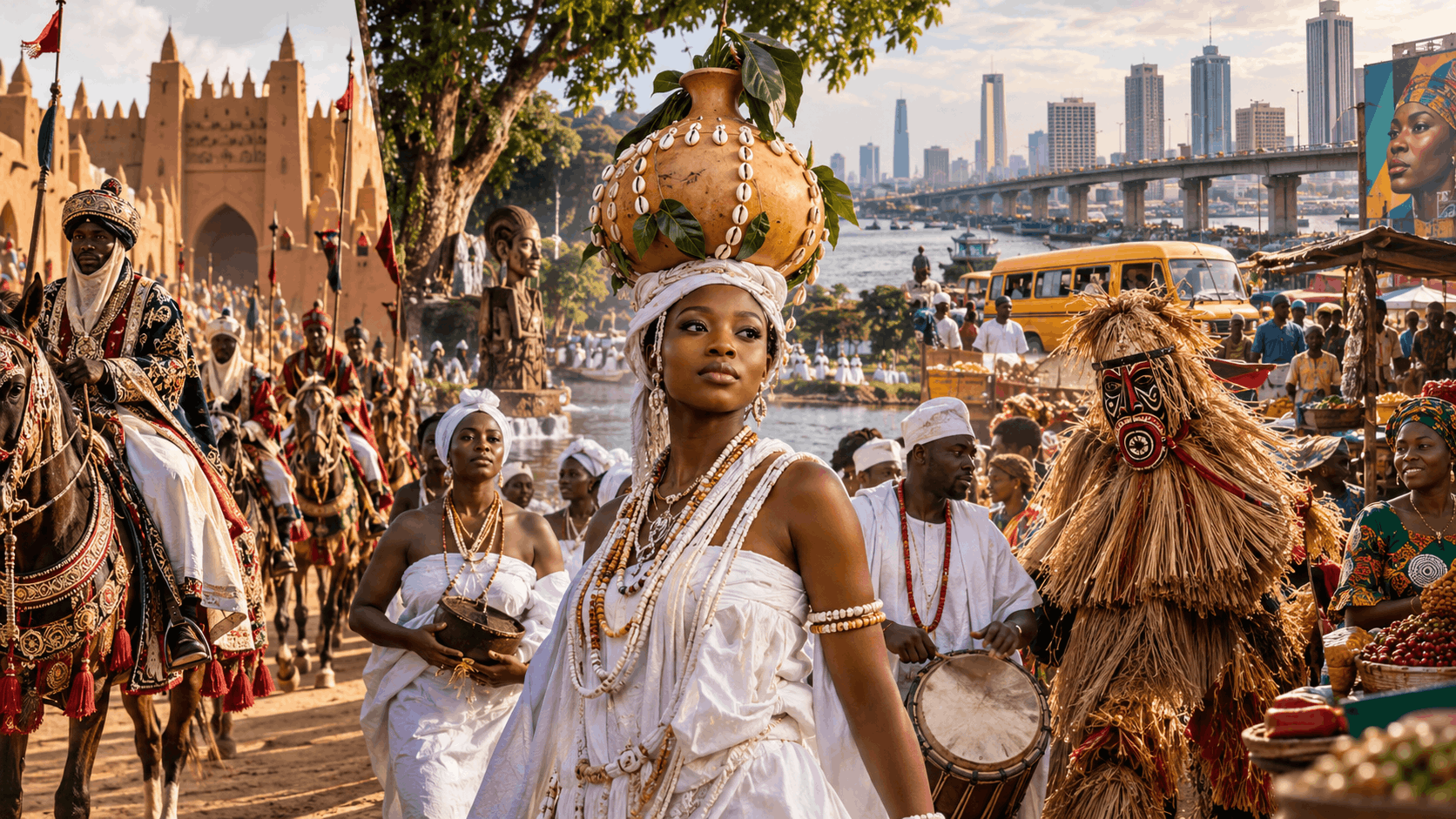
A vibrant Nigerian cultural scene blending an Osun-Osogbo procession, Kano Durbar horsemen, an Igbo masquerade, drummers, market life, and the modern Lagos skyline, representing Nigeria’s diverse ethnic groups, traditions, and contemporary culture.

September 6, 2026

Nigeria: Culture, History, Ethnic Groups & Traditions

Explore Nigeria’s rich cultural diversity, from its 250+ ethnic groups and languages to its history, religion, food, music, festivals, fashion, and traditions.

Read more
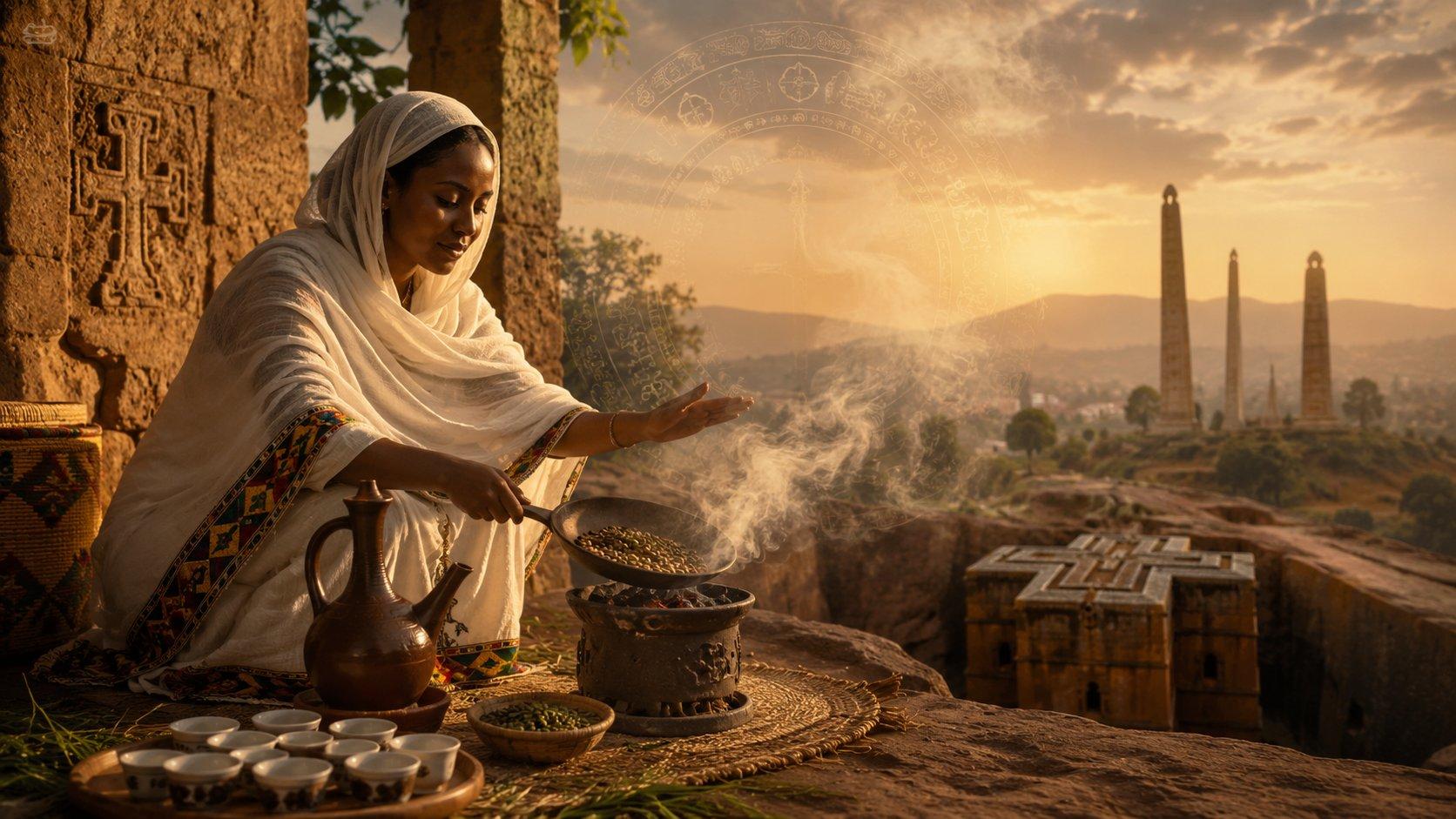
Ethiopia: The Country That Kept Its Own Time

August 31, 2026

Ethiopia: The Country That Kept Its Own Time

Explore Ethiopia's unique culture, history, traditional time system, Ethiopian calendar, coffee ceremony, food, religion, languages, music, festivals and ancient heritage, from Aksum and Lalibela to modern Ethiopian life.

Read more
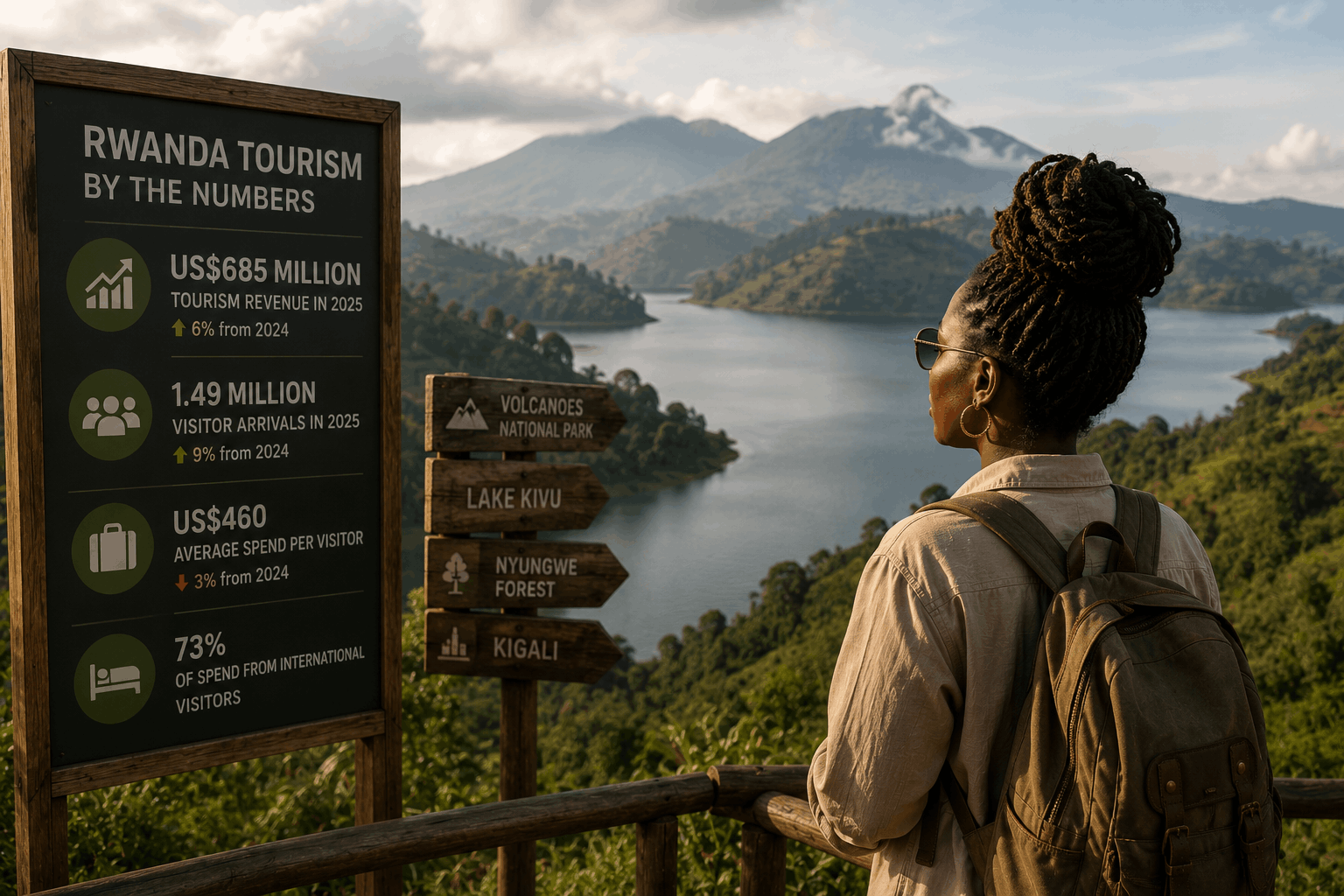
A Black woman traveler overlooks Rwanda’s green hills and lakes beside a tourism statistics board showing 2025 revenue and visitor growth.

August 23, 2026

Rwanda Tourism Revenue Hit $685 Million in 2025: What the Numbers Really Show

Rwanda's tourism revenue rose 6 percent to $685 million in 2025, but visitor arrivals grew faster, at 9 percent. This piece breaks down RDB's own 2025 report, air versus road arrivals, the $1,500 gorilla trekking permit, the conference sector's growth, and the Visit Rwanda sponsorship deals, using verified data from RDB, Reuters, The New Times, and other sources, so readers can weigh the facts for themselves.

Read more
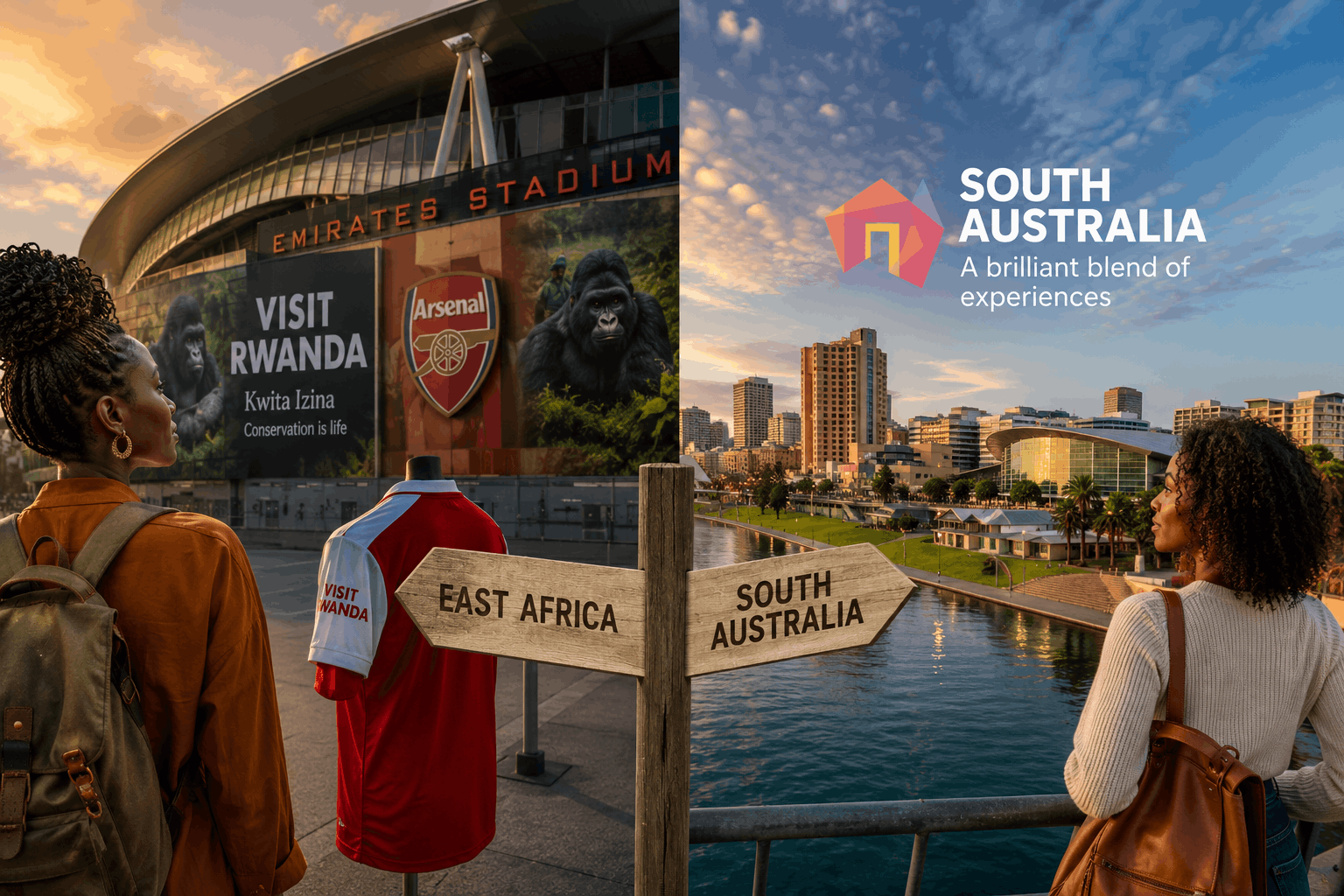
Two Black women travelers stand between Rwanda and South Australia, with an Arsenal-linked Visit Rwanda stadium scene on one side and a South Australian waterfront cityscape on the other, symbolising two tourism boards entering new phases of international marketing.

August 23, 2026

Rwanda Ends Its Arsenal Deal, South Australia Bets on a New Brand: What the Numbers Actually Show

Rwanda's eight-year Arsenal shirt sponsorship has ended and South Australia has launched a new tourism brand tied to a $12.8B 2030 target. Here's what's verified, what's disputed, and what's still just a plan.

Read more
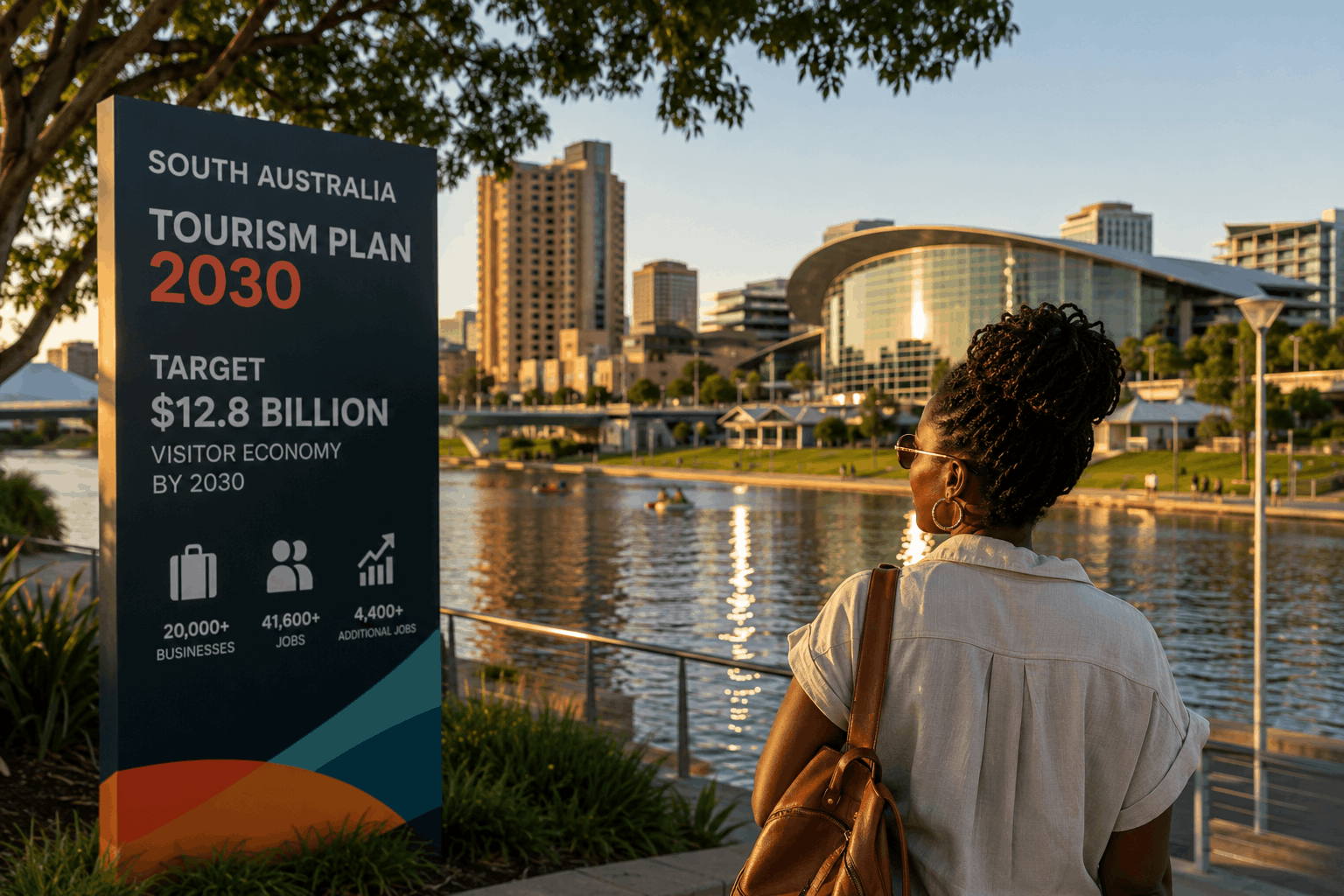
A Black woman looks across Adelaide’s waterfront beside a South Australia Tourism Plan 2030 sign highlighting the state’s $12.8 billion visitor economy target.

August 23, 2026

South Australia's $12.8 Billion Tourism Plan by 2030: What the Numbers Actually Show

South Australia aims to grow tourism from $9.8B to $12.8B by 2030. A fact-checked look at the airline seat targets, brand campaign, and unanswered gaps in the plan.

Read more
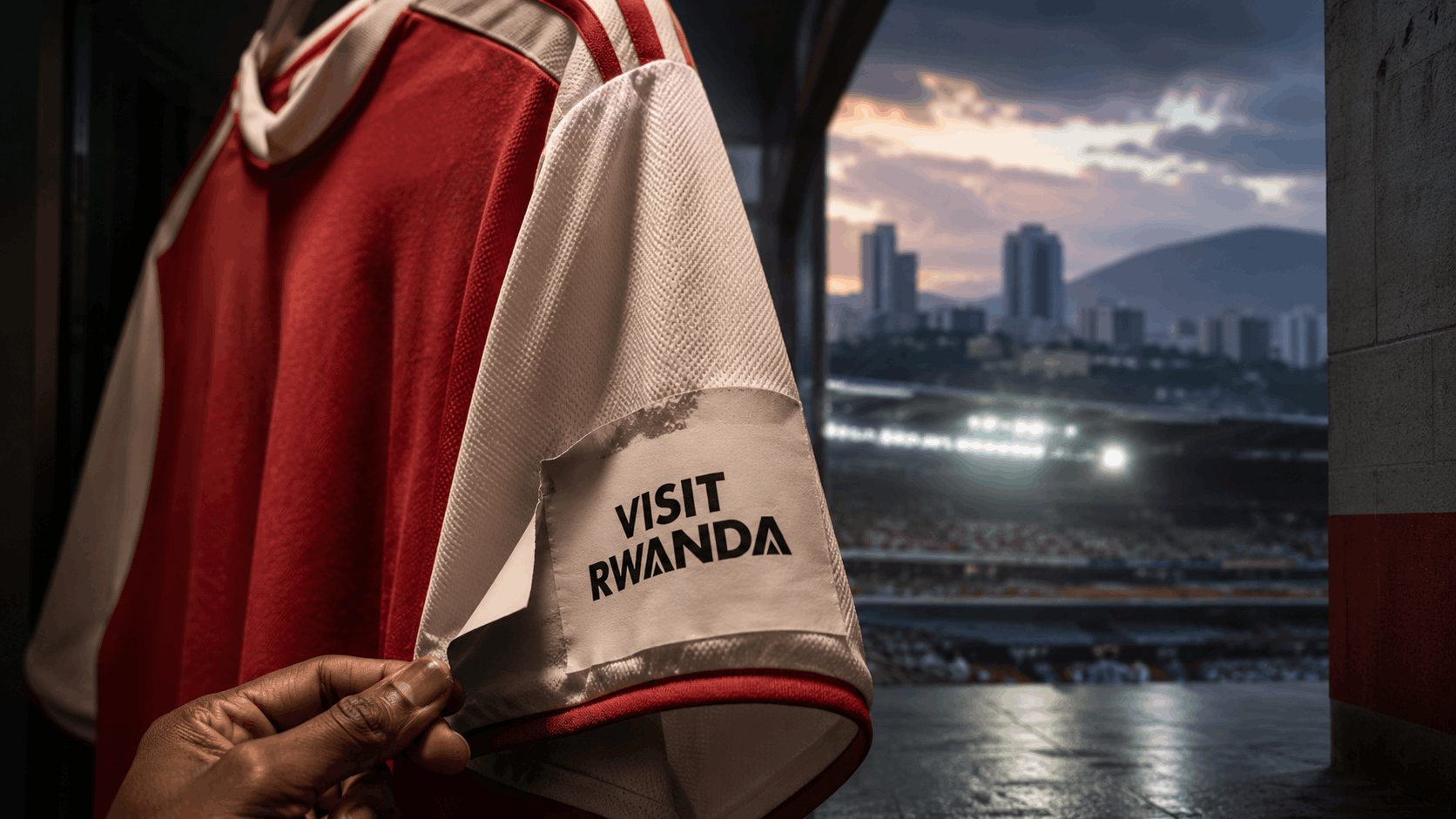
An Arsenal-style football shirt with a peeling “Visit Rwanda” sleeve patch inside a stadium tunnel, symbolising the end of Rwanda’s long-running sponsorship partnership with Arsenal

August 23, 2026

Arsenal and Visit Rwanda Are Ending Their Deal. Here's What's Documented, and What Isn't

A timeline of the Arsenal-Visit Rwanda sponsorship ending in June 2026, separating official statements from independently reported facts.

Read more
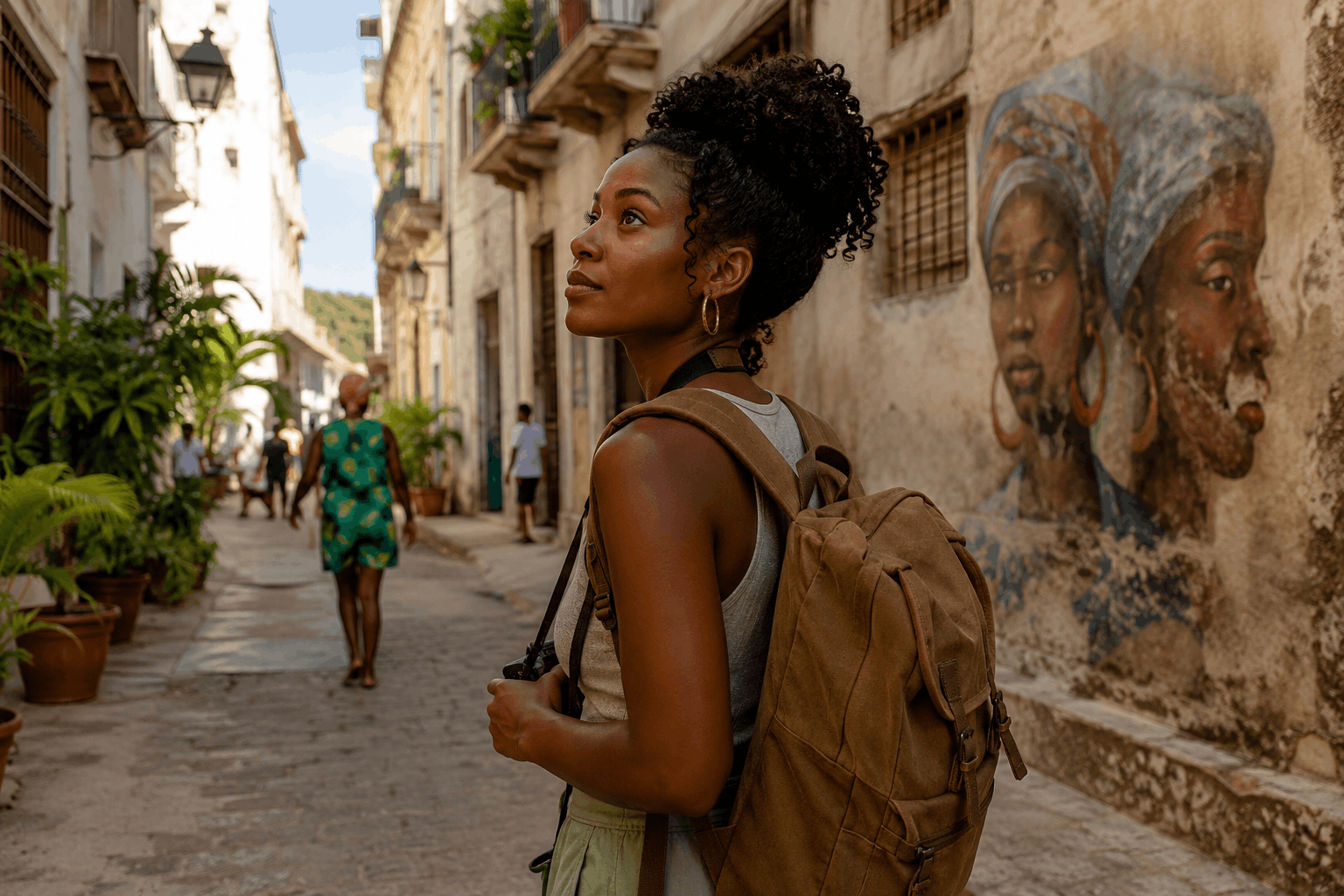
A Black woman traveler with a backpack explores a historic neighborhood, pausing beside local street art as residents move through the surrounding streets

August 23, 2026

The Difference Between a Top Ten List and the Real Texture of a Place

Top ten lists tell you what to photograph, not what a place is actually like. Here's why real experiences matter more than checklists, backed by data on overtourism, slow travel, and AI-generated guides.

Read more
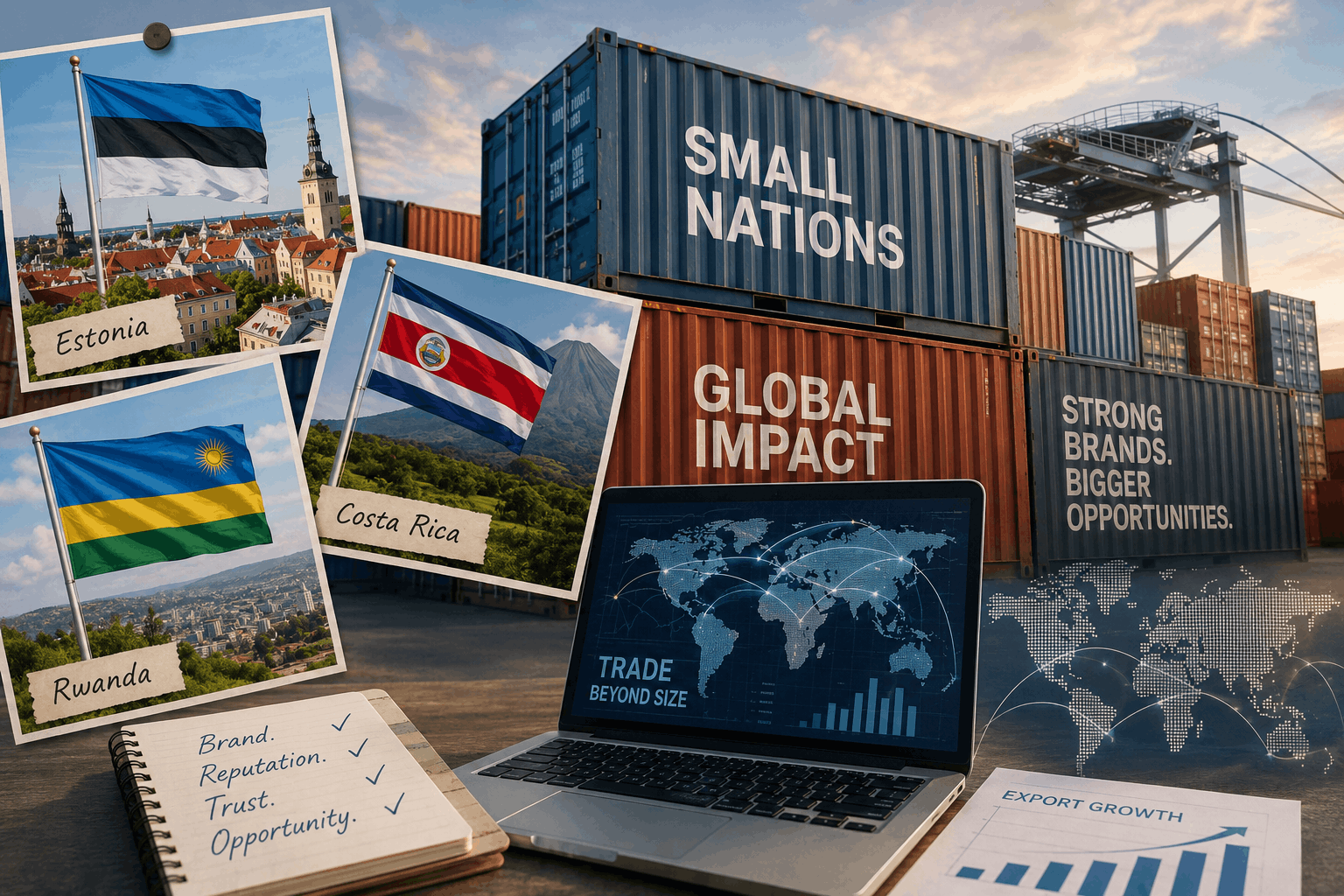
A collage of small national flags, including Estonia, Costa Rica and Rwanda, overlaid on shipping containers and a laptop, symbolising how small economies use national branding to punch above their weight in trade.

August 19, 2026

What Estonia and Costa Rica Can Teach Africa About Nation Branding and AfCFTA

Estonia and Costa Rica built globally trusted nation brands on tiny budgets. Here's what their playbooks mean for Africa, AfCFTA, and intra-African trade.

Read more
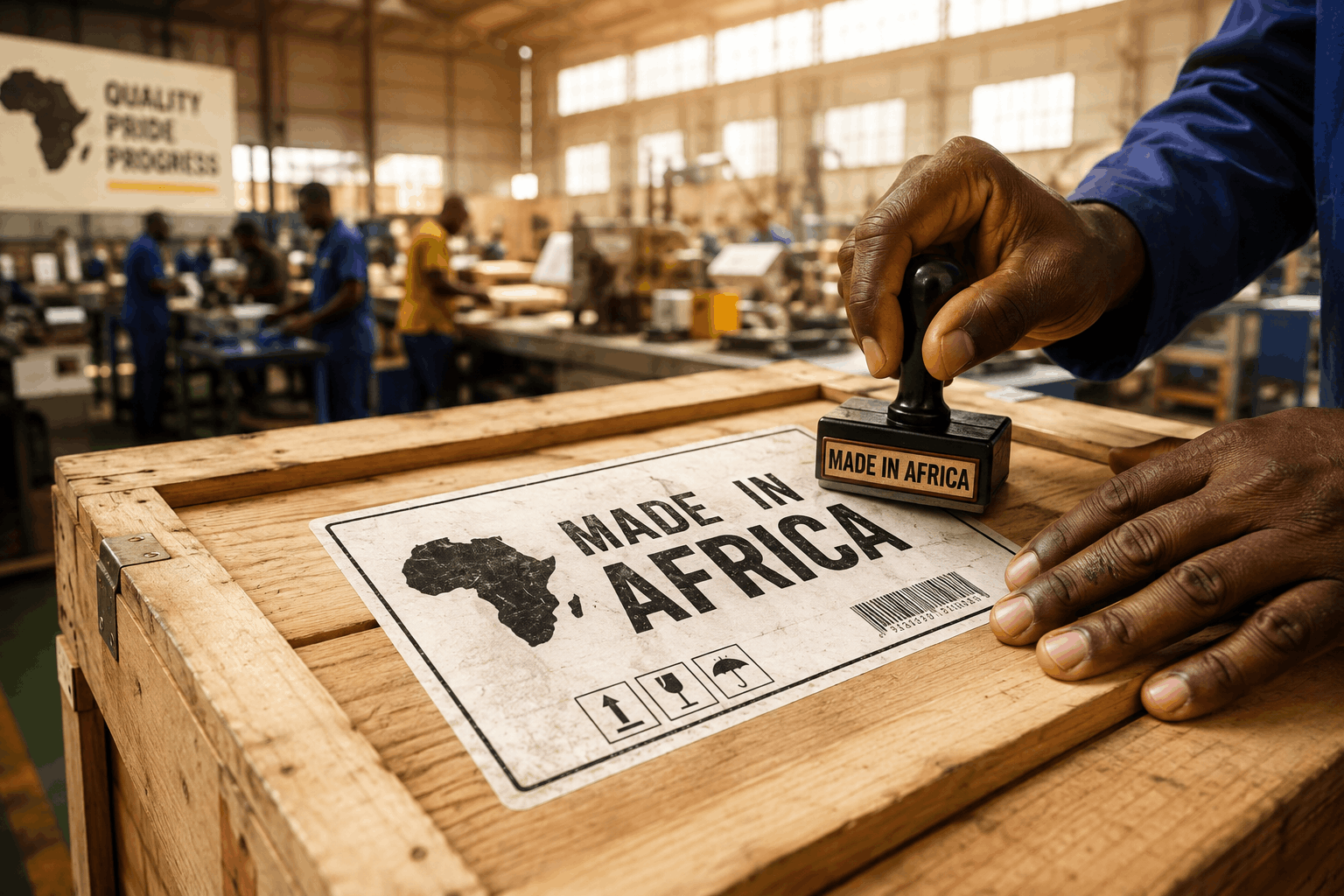
A shipping label reading "Made in Africa" being stamped onto a wooden crate in a bright manufacturing workshop, symbolising the trust and quality reputation African-made goods still need to build across the continent.

August 19, 2026

Made in Africa: What Germany, Japan and Korea Can Teach Us

Made in Germany" began as a British insult in 1887. Here's how Germany, Japan and South Korea turned tainted labels into trusted ones, and what it means for a future "Made in Africa" mark.

Read more

The ASEAN flag flying beside the African Union flag, symbolising two regional blocs building trade integration through shared identity and branding rather than economics alone.

August 16, 2026

ASEAN vs AfCFTA: How Southeast Asia Built Identity Before It Built Trade

ASEAN had a flag, an anthem, and a shared holiday decades before its economics caught up. AfCFTA has tariff schedules but no shared identity yet. Here's what the trade numbers say, and what Africa could still borrow from ASEAN's playbook.

Read more
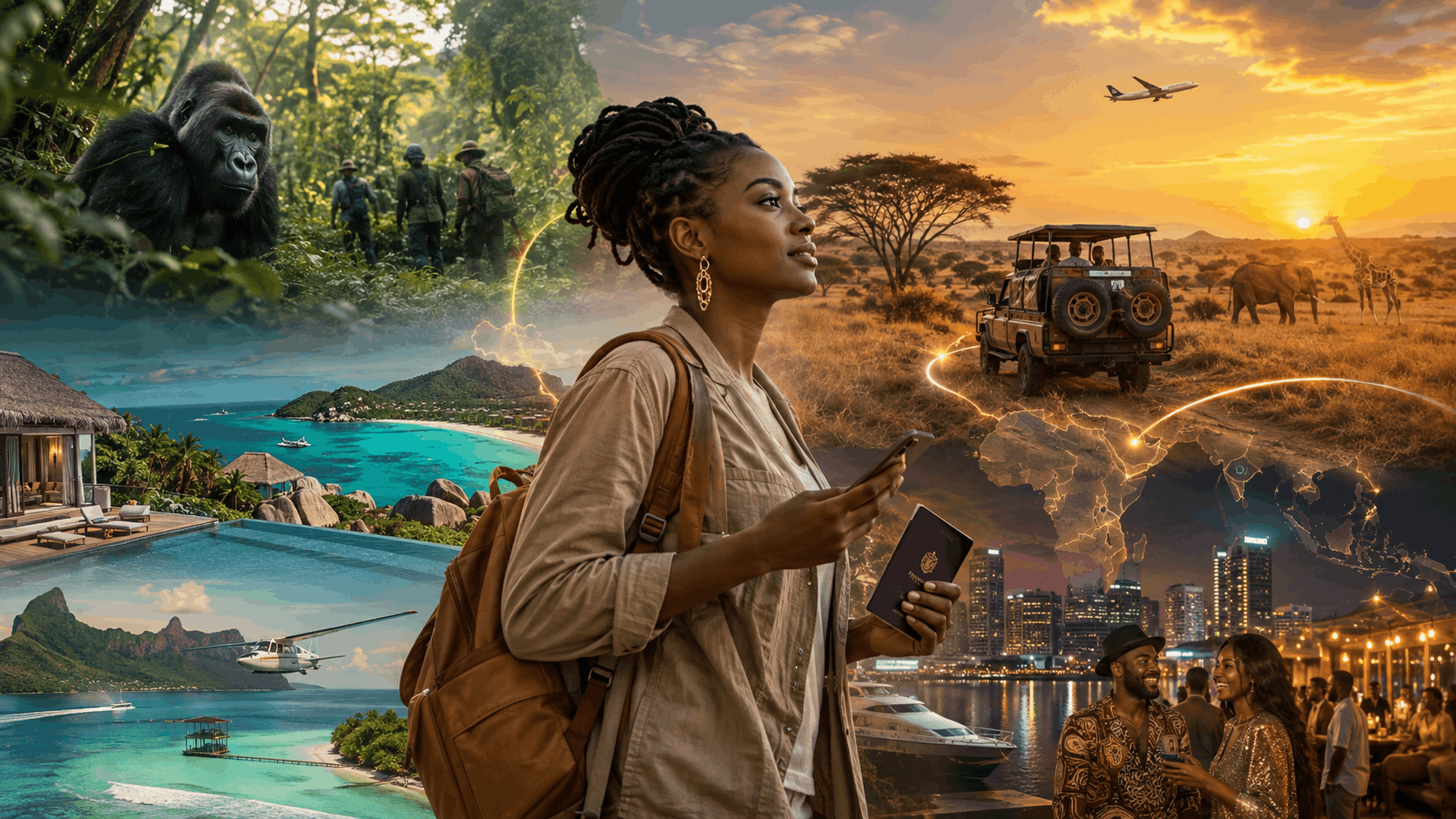
African woman traveller holding a passport and phone stands at the centre of a collage of gorilla trekking, safari, tropical islands, flights and vibrant city nightlife, representing the different forces shaping Africa’s growing tourism economy.

August 16, 2026

Africa's $241 Billion Tourism Boom: What's Really Driving It in 2026

Africa's travel and tourism sector is forecast to contribute $241 billion to the continent's economy in 2026, growing 5.4 percent according to the WTTC. This piece breaks down how six African markets, Uganda, Kenya, Seychelles, Mauritius, the East Africa Tourist Visa bloc, and Lagos's Detty December season, are each tackling the same underlying challenge: turning traveler interest into actual bookings, with real data on visas, visitor numbers, and diaspora spending from 2025 and 2026.

Read more

Black woman watches immersive travel stories on a laptop as scenes of a Nordic forest, mountain landscape, Saudi desert landmark and Qatar skyline unfold around her, showing how destination storytelling can turn travel inspiration into real trip planning.

August 16, 2026

What Tourism Boards Are Really Buying When They Sign a Promotion Partnership in 2026

Visit Sweden's folklore campaign reached 150 million people and hit 80% of its target audience. Tourism New Zealand, Visit Saudi Arabia, and Visit Qatar are seeing similar results with creator-led storytelling. Here's the pattern behind what actually works in tourism marketing now, and the questions every destination should ask before signing a promotion partner.

Read more

A returning African diaspora traveler is warmly welcomed by family at sunset, with luggage, an arriving plane, palm trees, a city skyline, and lively December nightlife capturing the homecoming energy of West Africa’s festive tourism season.

August 16, 2026

Detty December Economics: How Diaspora Tourism Drives Lagos and Ghana

Detty December generated ₦396.5 billion in Lagos in 2025, with diaspora visitors driving 55% of spending. See what the numbers reveal about tourism.

Read more

Black woman traveler holding a passport and phone as a glowing route connects Kenyan safari plains, Ugandan gorilla rainforest, and Rwanda’s green hills and cityscape, representing one journey across East Africa.

August 15, 2026

East Africa Tourist Visa Explained: Kenya, Uganda and Rwanda on One Visa (2026 Guide)

The East Africa Tourist Visa lets you visit Kenya, Uganda and Rwanda for $100 on one application. Here's how it works, the entry rule that trips people up, and why Tanzania isn't included.

Read more
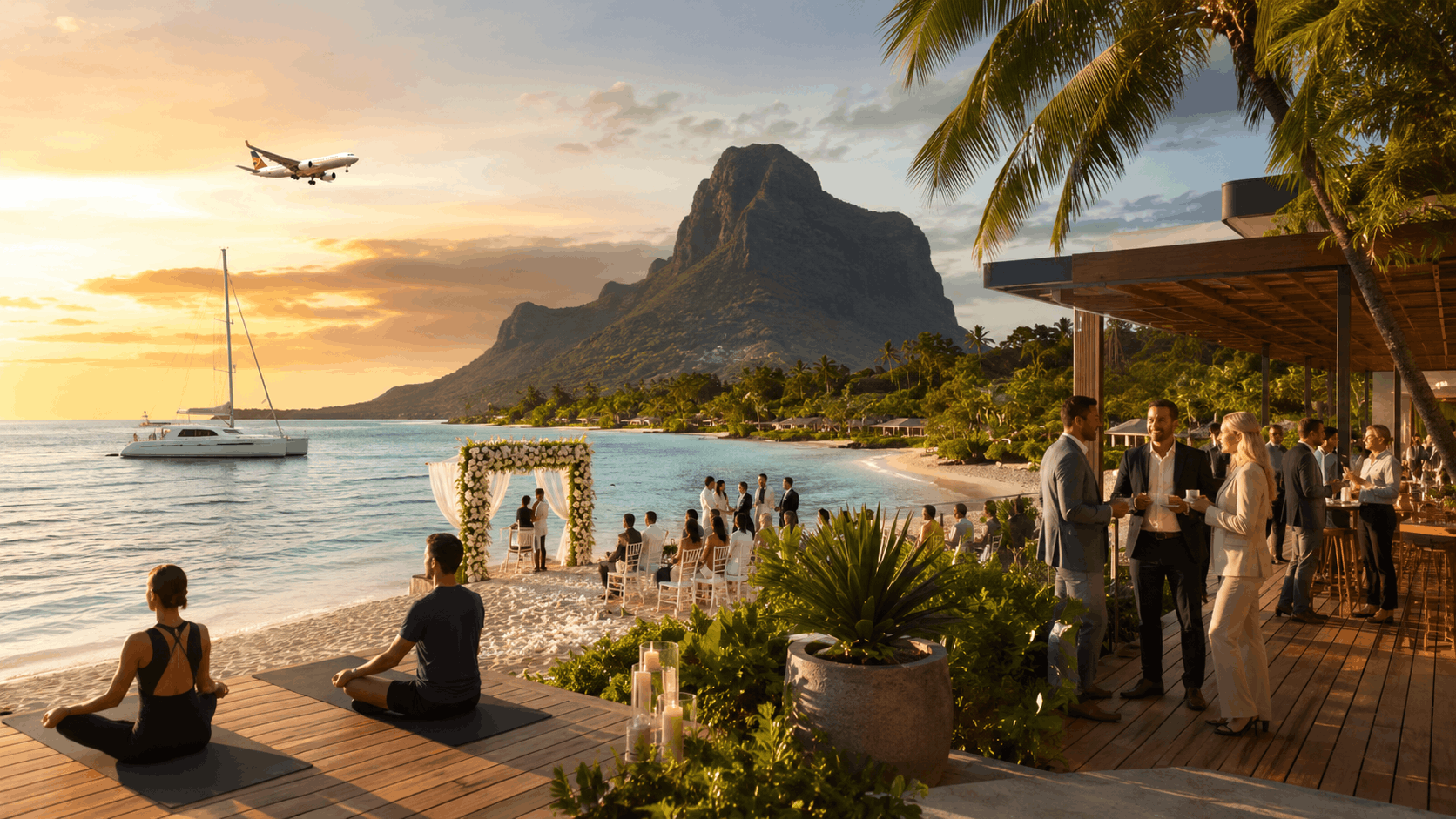
Photorealistic golden-hour view of Mauritius featuring a tropical beach, dramatic mountain backdrop, catamaran, arriving aircraft, beachfront wedding, wellness session and business travellers, reflecting the island’s push beyond traditional beach tourism.

August 15, 2026

Mauritius Tourism 2026: How India, Russia and the UK Are Reshaping the Island's Visitor Strategy

Mauritius tourist arrivals rose 6.8% in Q1 2026. See how India, Russia and the UK are driving MTPA's push beyond beach holidays into weddings, MICE and wellness travel.

Read more

A young African woman holding a passport and laptop stands between scenes of European rail travel and African trade, with travellers, entrepreneurs, shipping activity and a glowing network map of Africa representing cross-border mobility, commerce and regional integration.

August 15, 2026

AfCFTA vs. Europe's Single Market: What Erasmus Teaches Africa

Only 22% of young Africans know AfCFTA exists. Europe closed a similar trust gap with Erasmus, not ads. Here's what that history means for Africa's trade project.

Read more
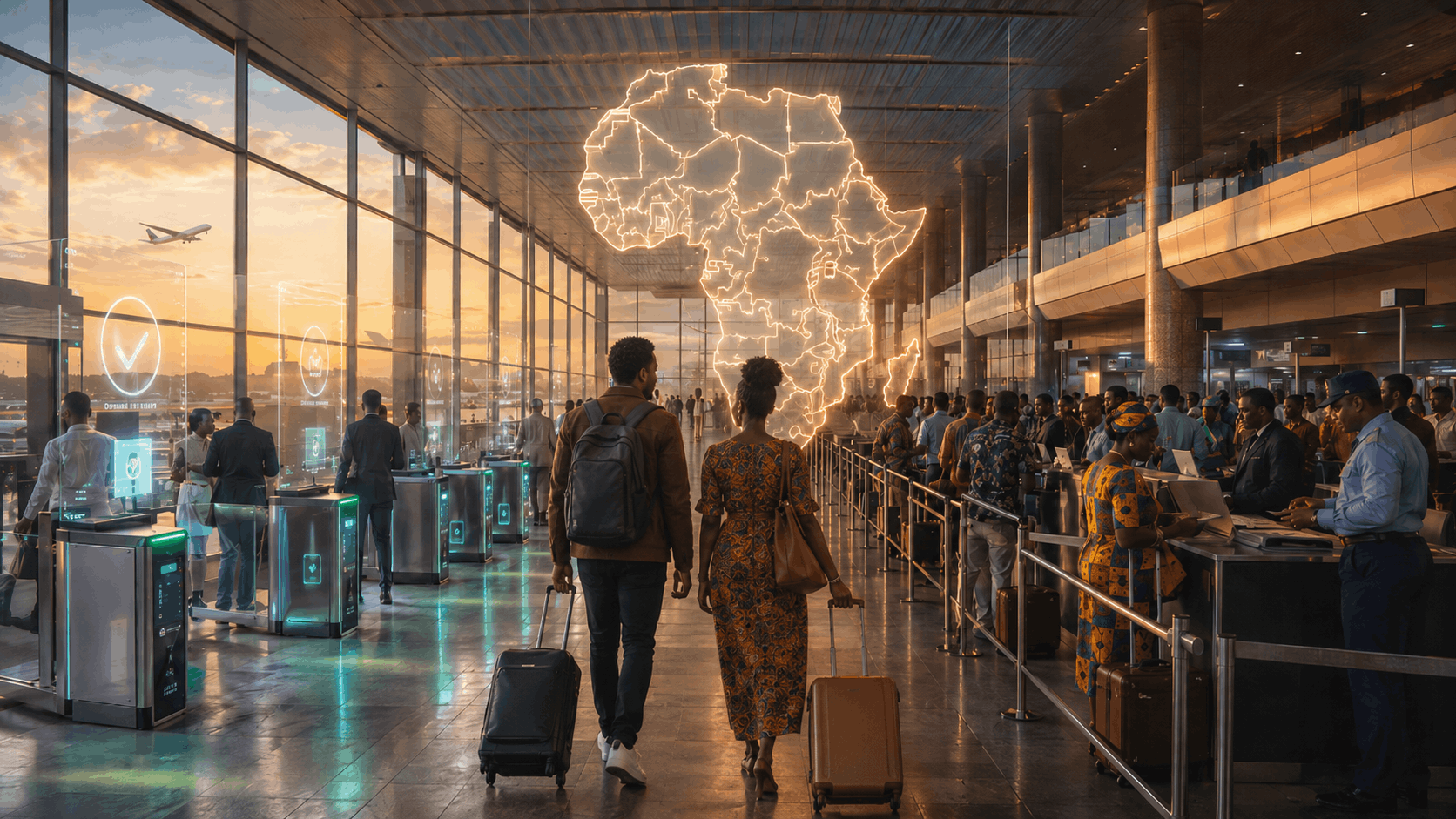
A man and woman walk through a modern African airport with luggage, framed by a glowing map of Africa, digital e-gates and crowded border-control queues, reflecting the contrast between easier travel and fragmented border systems across the continent.

August 15, 2026

Can Africa Be One Travel Market With 54 Different Borders? Inside the Visa Data Gap

African countries are moving visa approval from the airport counter to online platforms before departure, but the two major indexes used to measure "visa openness" (the Africa Visa Openness Index and the Henley Openness Index) score digitization and restriction almost identically. This investigation compares Nigeria's 2025 e-visa rollout, Seychelles' fall from joint first to last place on the AVOI, Cabo Verde's 2026 visa-on-arrival suspension, and the ECOWAS aviation tax reform, to ask whether Africa's borders are actually opening or just going digital while the numbers say otherwise.

Read more

African traveller at a modern airport holding a passport and smartphone, surrounded by subtle digital travel-authorisation graphics, flight routes and a glowing map of Africa, representing the continent’s changing electronic border requirements and ETA systems.

August 15, 2026

Africa's Electronic Travel Authorizations: A Country-by-Country Tracker

A fact-checked tracker of Africa's electronic travel authorizations: who pays, who's exempt, and how Seychelles, Ghana, Kenya, Mozambique, and South Africa compare.

Read more
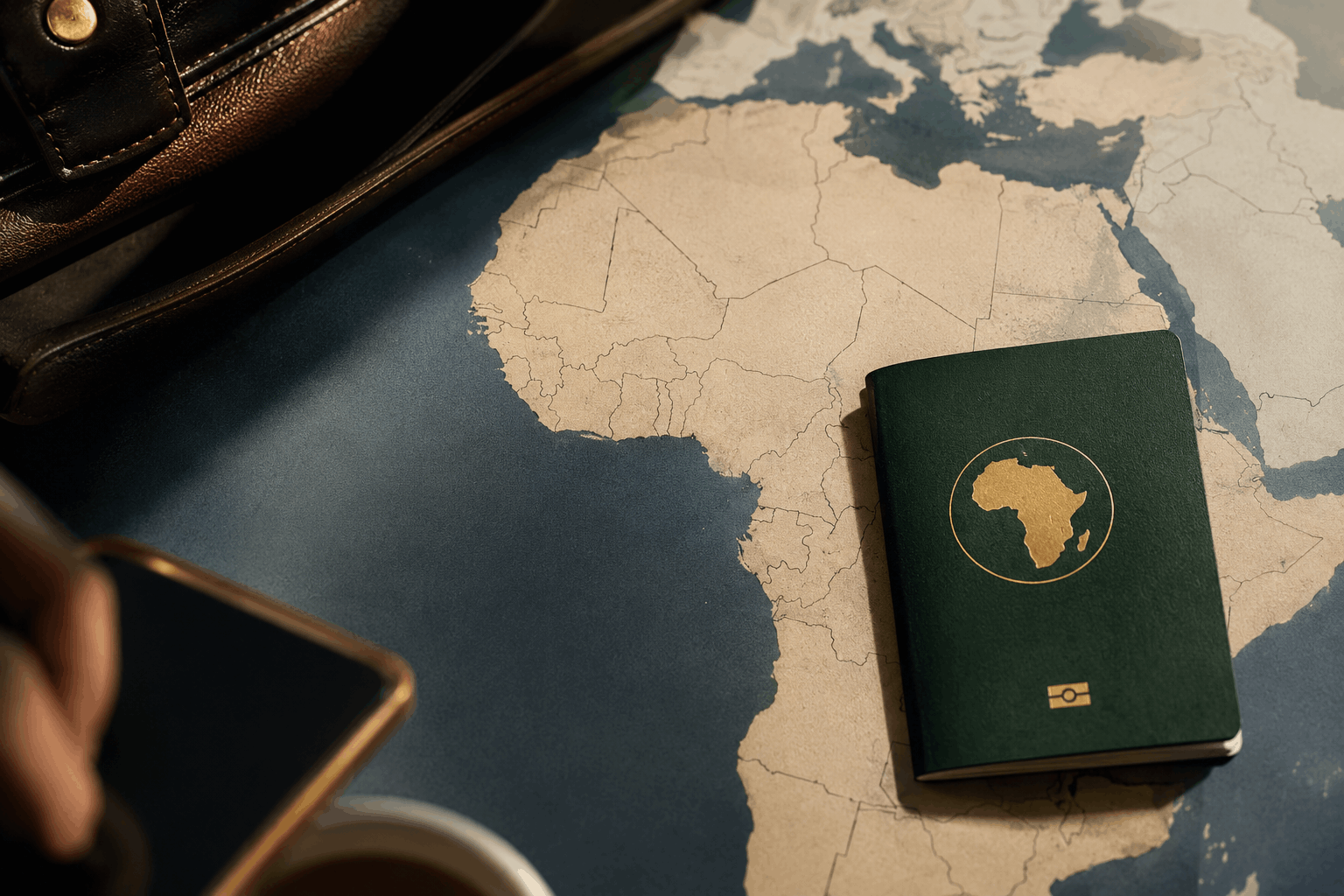
A dark green passport rests on a map of Africa beside a leather travel bag and smartphone, symbolizing the complexity of moving across African borders.

August 15, 2026

The Missing Africa Passport Ranking: What No Index Measures

A direct explainer on why there is no published ranking of African passport mobility within Africa itself, why the Henley Passport Index and Africa Visa Openness Index each measure the wrong direction for this question, and what a real intra-African passport index would need to track.

Read more
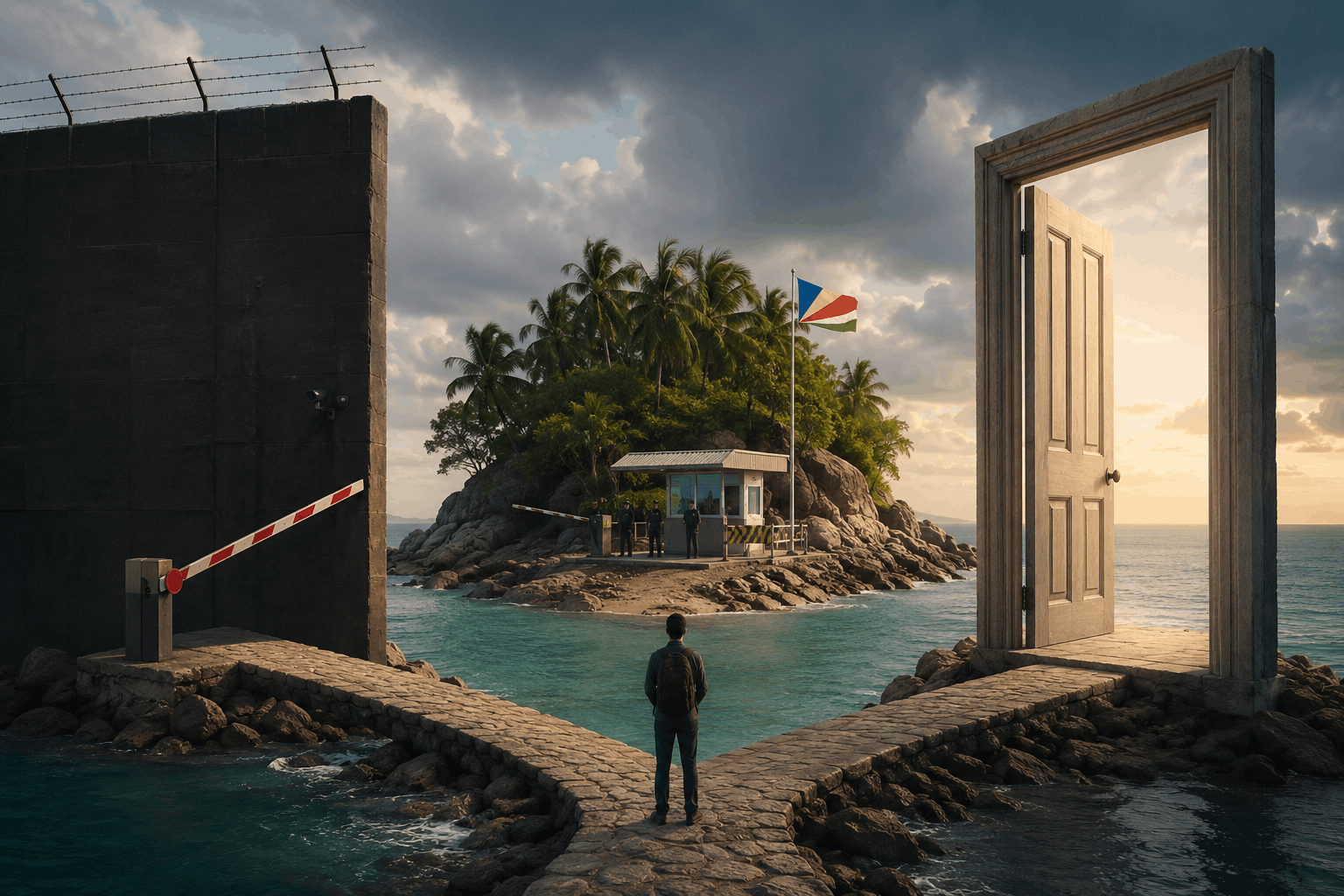
A traveler stands at a crossroads over the ocean, facing a tropical Seychelles island with a border checkpoint, contrasting a closed barrier on one side with an open doorway toward the sea on the other, symbolizing conflicting measures of visa openness and freedom of movement.

August 15, 2026

Seychelles Visa Openness: Why Africa's Index Ranks It Last While Henley Ranks It Second

Seychelles scores 0 on Africa's Visa Openness Index but ranks 2nd worldwide on Henley's. Both use IATA data. We asked the African Development Bank why.

Read more

A Black woman sits at a desk looking thoughtfully at a laptop, with a notebook, coffee mug, books, and a small plant nearby. A blurred cityscape is visible through the window behind her.

August 15, 2026

Mozambique's New Digital Visa System Locks Out Nigerians. So Does Tanzania's.

Mozambique's eVisa portal lets most of the world apply online, but blocks six nationalities, including Nigeria, forcing them into embassy-only applications. Tanzania excludes Nigeria from its Commonwealth visa waiver too. Neither government will explain why, and the continent's main openness index isn't built to catch it.

Read more
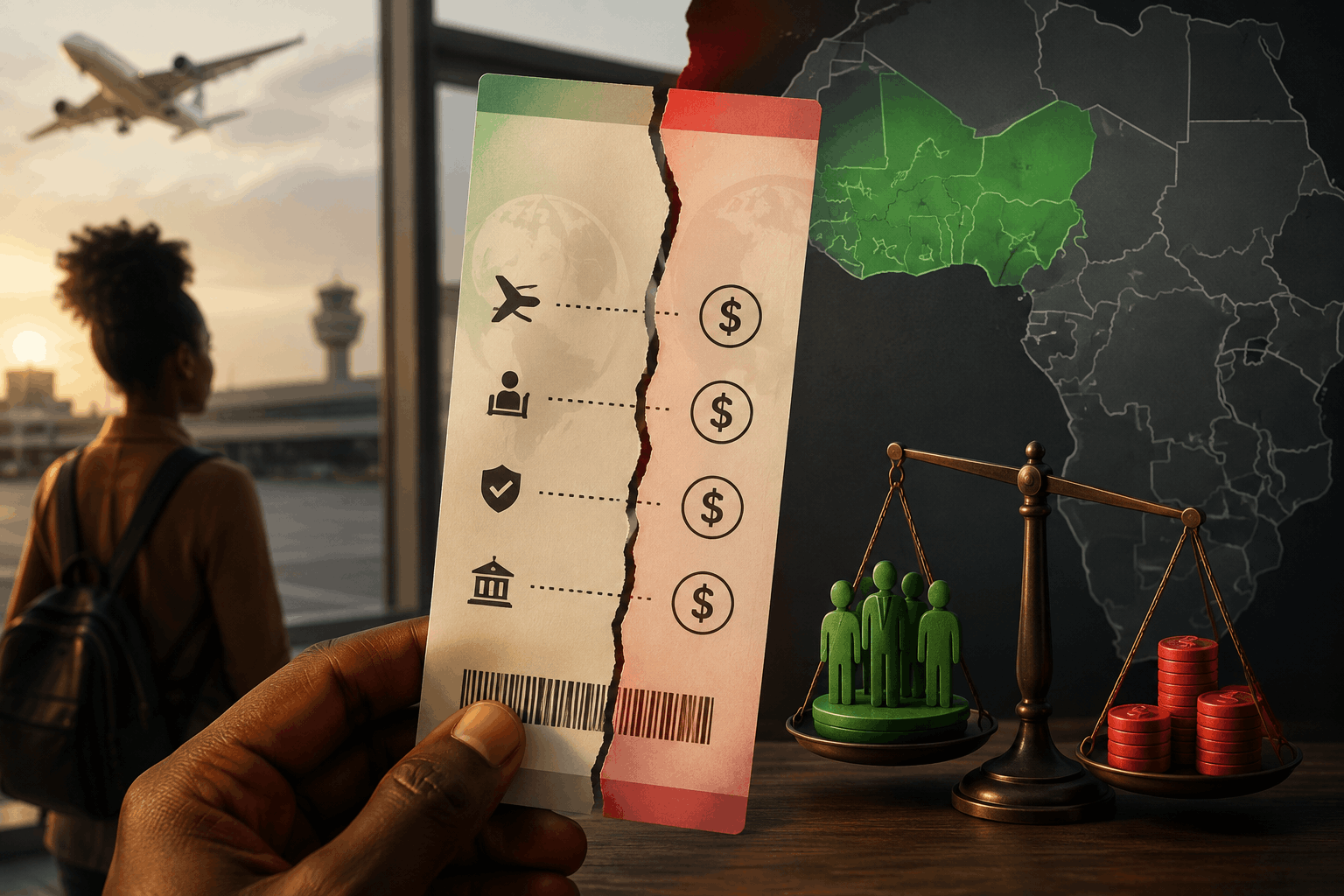
Conceptual image of an African traveler holding a split boarding pass against a West Africa map, with an airplane, airport and scales showing the rising cost of air travel.

August 11, 2026

ECOWAS Air Travel Tax Cuts: Why Nigeria Still Lists $80 Passenger Charge

ECOWAS cut selected aviation taxes and charges from January 2026. Nigeria's published tariff still lists an $80 passenger charge for West Africa.

Read more

Modern BRT bus in Dar es Salaam at sunset, with city skyline, port and shipping containers, and a subtle Africa connectivity graphic in the background.

August 10, 2026

Dar es Salaam BRT: How Tanzania’s New Bus System Could Support Trade

Dar es Salaam’s new BRT is changing how people move through Tanzania’s commercial hub. Here’s what it could mean for the economy, regional trade and connectivity.

Read more

Seychelles tropical coastline with turquoise waters, lush islands, sailboats and a cruise ship viewed from a scenic hillside.

August 9, 2026

Seychelles Tourism Strategy: Why the Country Is Shifting From Volume to Value

Seychelles is reshaping its tourism strategy around higher-value visitors, local economic benefits and sustainable cruise tourism. Here is what the new plans mean.

Read more
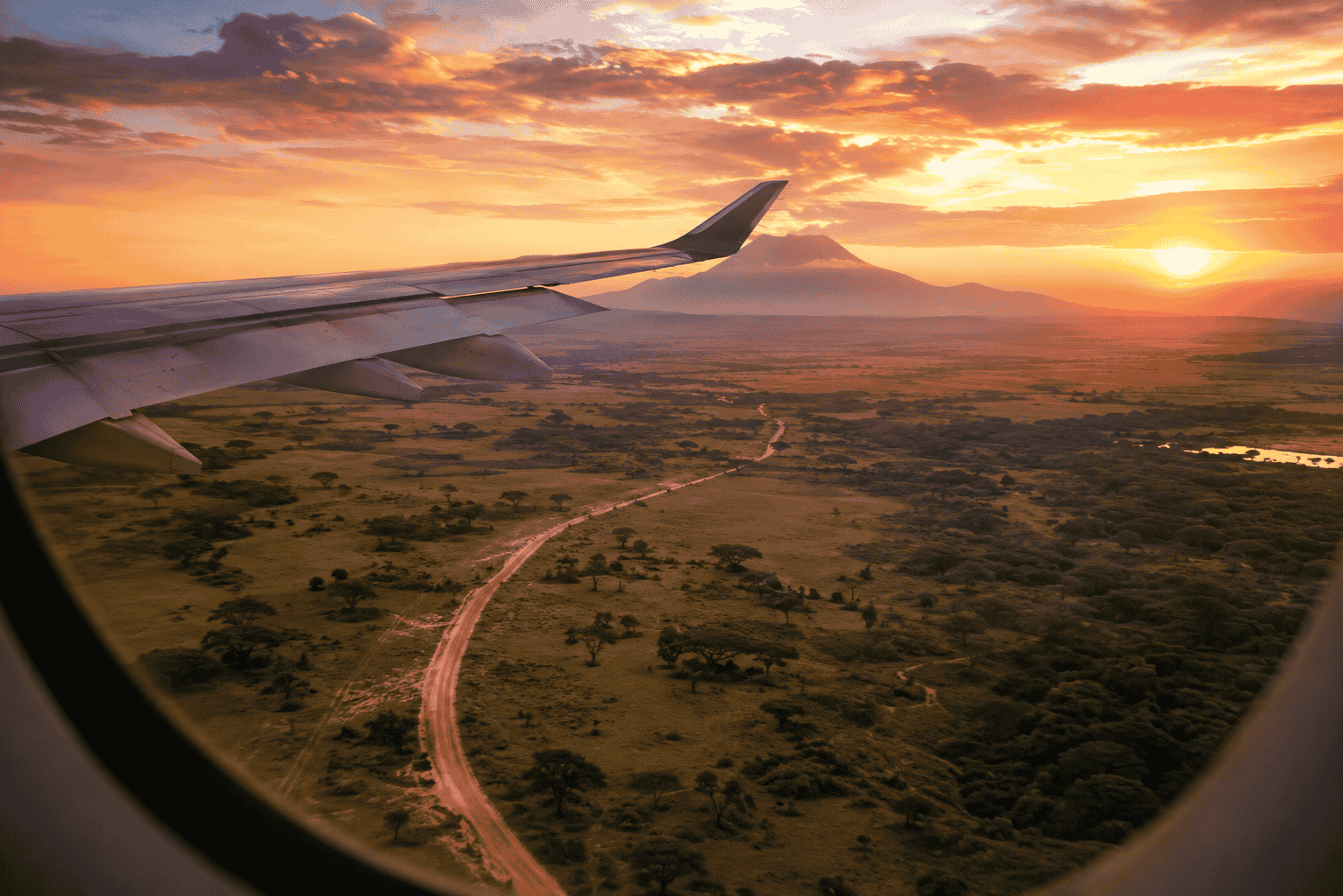
Aerial view from an airplane over Kenya’s savanna at sunset, with a winding road, distant mountain and warm golden landscape visible below.

August 8, 2026

Kenya’s 2026 Tourism Strategy Is Fixing the Journey, Not Just Selling the Destination

Kenya’s 2026 tourism strategy goes beyond marketing, tackling visas, air connectivity, fares, trade relationships and the journey from travel interest to actual bookings.

Read more
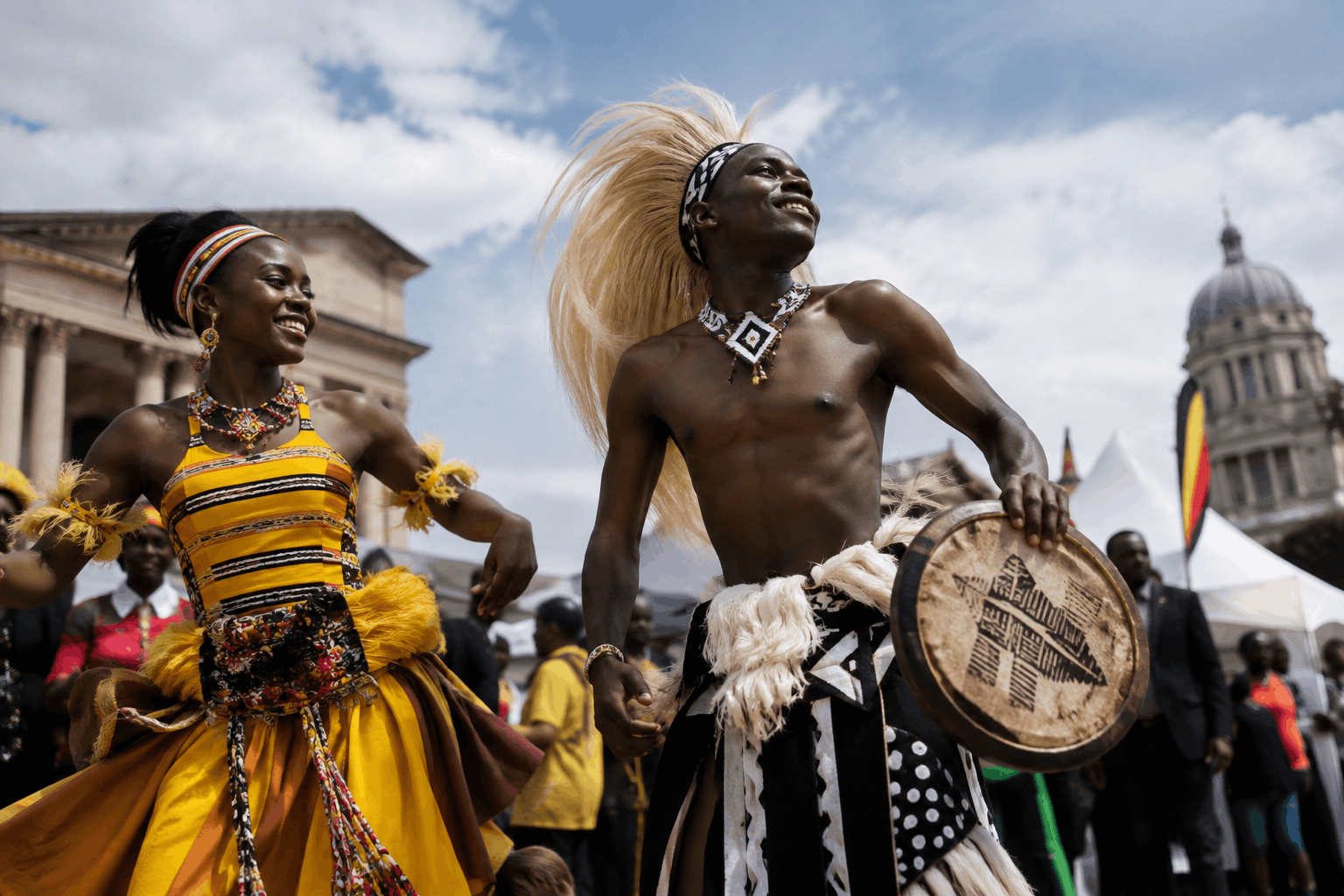
A photorealistic image of a vibrant Ugandan cultural festival taking place in a European city square. In the foreground, two performers dressed in traditional Ugandan attire smile as they dance, with one holding a decorated ceremonial drum. Behind them, a diverse crowd watches the celebration, while Ugandan flags, white festival tents, and historic European architecture create a backdrop that reflects the connection between Uganda and Germany. The image captures the intersection of culture, tourism, diplomacy, and international engagement, with no text visible.

August 7, 2026

How Uganda Is Rethinking Tourism Promotion in 2026

Uganda’s 2026 tourism strategy goes beyond advertising, combining diplomacy, trade events, international media, familiarisation trips and partnerships to grow key markets.

Read more
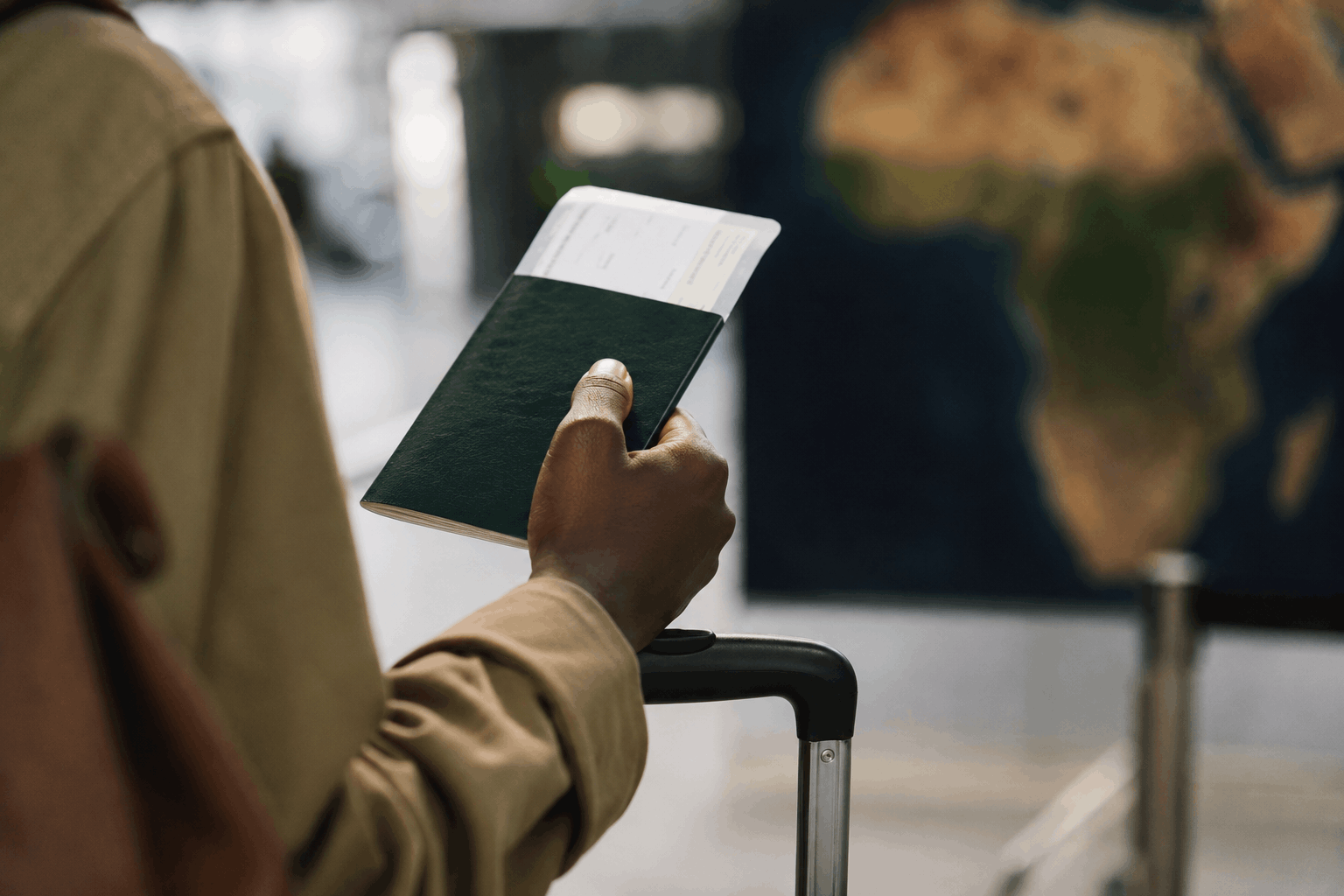
Black African traveller holding a passport and boarding pass beside a suitcase in an airport, with a blurred map of Africa in the background.

August 7, 2026

South Africa Visa Fee: What the New R500 ETA Charge Means

South Africa is proposing a R500 electronic processing fee. Here is what the new ETA charge means for visa-required and visa-exempt African travelers.

Read more

A photorealistic image of an antique balance scale on a wooden table, with a passport and model airplane on one side and a globe highlighting Africa on the other. A blurred world map in the background creates a dramatic visual representing the balance between border policies, travel access, and global mobility. The image conveys themes of visa openness, digital border controls, and international travel without using any text.

August 5, 2026

Two Indices Looked at Seychelles. One Called It the Second Most Open Country on Earth. The Other Ranked It Last in Africa.

Two major visa openness indices reach radically different conclusions on Seychelles. One ranks it second in the world. The other puts it last in Africa.

Read more

Black woman checking her phone while waiting with luggage in an airport lounge, highlighting Nigeria’s shift from visa on arrival to pre-travel e-visa approval.

August 4, 2026

Nigeria Visa Changes: Why Travellers Now Need Approval Before Flying

Nigeria stopped issuing visas on arrival in 2025. Here is what changed, how it affected Nigeria's visa openness ranking, and what it means for African travellers.

Read more

Solo female traveller overlooking a Moroccan city from a rooftop terrace at sunset, representing the growth of solo travel in the Middle East and Africa.

August 4, 2026

What a 15.7 Percent Growth Rate Actually Tells Us About Solo Travel in the Middle East and Africa

Solo travel in the Middle East and Africa is forecast to grow by 15.7% annually. Here’s what the trend means for travellers, women and tourism businesses.

Read more

African woman taking an online course on a laptop at home

August 2, 2026

Africa’s E-Learning Market: Growth, Opportunity and the Challenges Ahead

Africa’s e-learning market is worth about US$4 billion in 2026. Explore its growth, key markets, major sectors, challenges and economic opportunities. See the 2026 market size, leading countries, growth drivers, barriers and where the business opportunities are.

Read more
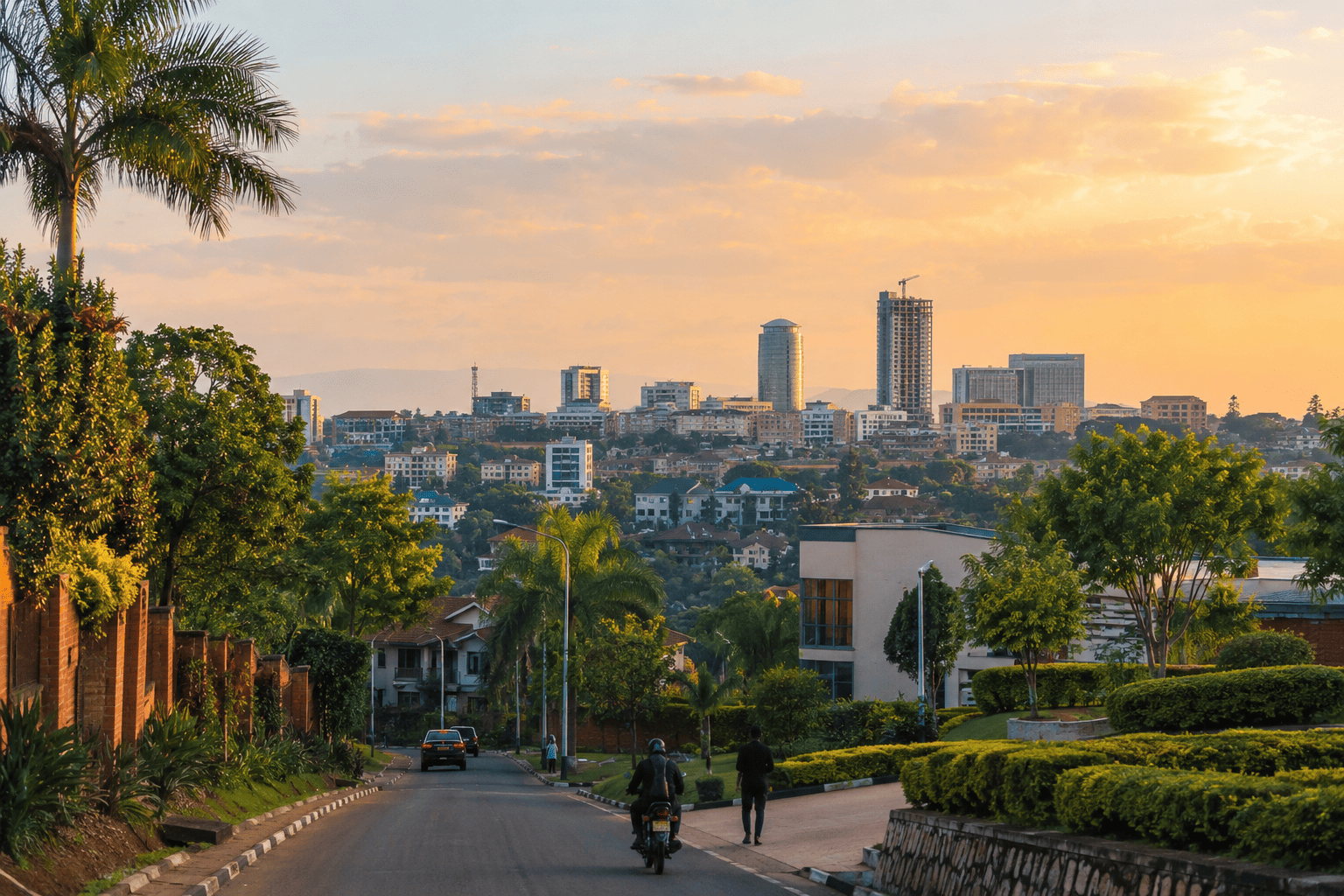
Aerial view of Kigali, Rwanda, at golden hour, showing a lush hillside road, residential neighbourhoods, modern city buildings, palm trees, and people travelling through the city.

August 1, 2026

Before You Book: What Every Solo Traveler Should Know About Kigali

Thinking about travelling to Kigali alone? Here is what you should know about safety, visas, transport, the city's hills, culture and what solo travel actually feels like in Rwanda.

Read more
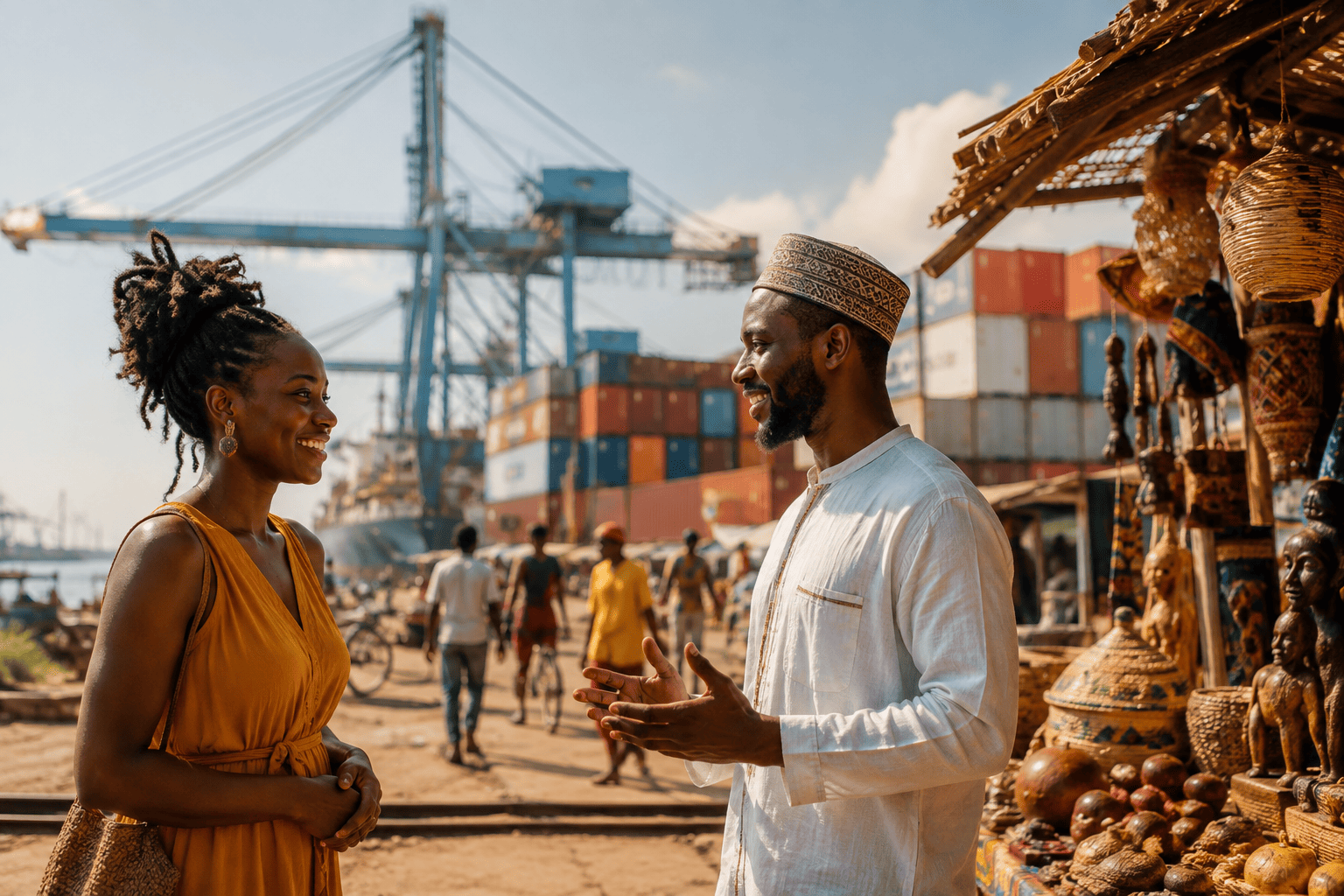
African woman and man talking at a lively African port market, with local crafts in the foreground and shipping containers and cranes in the background, illustrating the connection between tourism, trade, people and local businesses.

August 1, 2026

Tourism and Trade: How Travel Connects People, Markets and Opportunities in Africa

Tourism is more than holidays and tours. Explore how tourism connects people, businesses, culture and markets, supports trade, creates opportunities and can help strengthen economic connections across Africa.

Read more

A professionally dressed African woman in a beige blazer stands on a rooftop balcony overlooking the skyline of a modern African city at sunset. High-rise buildings, busy roads and a waterfront stretch into the distance beneath a golden sky, symbolising Africa's urban growth, economic transformation and future potential.

July 31, 2026

Africa in 2050: What Will Actually Drive Economic Growth?

By 2050, Africa will have one of the world's largest workforces, but population growth alone will not determine its economic future. Explore how productivity, urbanization, trade, and digital transformation could shape the continent's next chapter.

Read more

A young Black woman confidently shares a business idea across a table in a bright, modern café workspace while another woman listens attentively. An open notebook, coffee cup and laptop sit between them, capturing the moment an idea is finally spoken aloud in a collaborative, professional setting.

July 30, 2026

The Pitch You Have Not Said Out Loud Yet

The idea you keep rehearsing in your head is not the same as a pitch. Here is what changes the moment you actually say it to another person.

Read more
A young African woman overlooks a bustling city at sunset, symbolizing the promise of Africa's youthful population and the economic opportunities created through jobs, industry and urban growth.

July 30, 2026

Africa's Young Population Is an Opportunity. But Only If We Create Jobs

Africa's working-age population is growing faster than anywhere on earth. Why that becomes economic growth only when firms create productive, wage-paying jobs.

Read more
Beyond the List: The Part of Travel Most Guides Miss

July 28, 2026

Beyond the List: The Part of Travel Most Guides Miss

Planning matters. But the most meaningful parts of travel rarely fit into an itinerary. Discover why slowing down helps you experience a place more deeply.

Read more

A professional Black woman sits thoughtfully at a desk with a laptop, notebook, and coffee mug, looking into the distance in a bright modern workspace, symbolizing preparation, confidence, and an upcoming career negotiation.

July 27, 2026

The Conversation You're Avoiding Could Be Costing You More Than You Think

Avoiding difficult conversations about salary, rates, promotions, or flexible work can have lasting financial consequences. Learn practical negotiation strategies backed by research to communicate your value with confidence.

Read more

A woman wearing a wide-brimmed sun hat sits on a rooftop terrace overlooking a historic coastal city at sunset. A camera, map, and coffee cup rest on the table beside her as she quietly takes in the view, capturing the anticipation, confidence, and freedom of independent travel.

July 26, 2026

What 82 Percent of Travel Decisions Actually Looks Like

Women make 82 percent of global travel decisions. That statistic hides a more interesting story about who is actually choosing where the world goes next.

Read more

A photorealistic close-up of a professional writing in a notebook beside a laptop, smartphone, and coffee mug in a bright, modern workspace, symbolizing the intentional work of building a personal reputation and professional brand.

July 26, 2026

Your Professional Personal Brand Is Not a LinkedIn Bio

A personal brand is not a paragraph you write once and forget. It is the thing people already say about you when you leave the room.

Read more

A thoughtful young African professional sits at her desk in a softly lit office, looking away from her laptop in quiet reflection. A notebook, pen, and coffee mug rest on the desk while blurred bookshelves and plants create a calm background, capturing a moment of self-reflection about confidence, achievement, and self-perception.

July 25, 2026

Why You Rate Yourself Lower Than You Should

Two people do the same work. One rates it a 61 out of 100. The other rates it a 45. The difference was never the work.

Read more
Ultra-photorealistic editorial photography of a modern African city skyline at sunrise. In the foreground, African engineers in safety gear review blueprints next to a manufacturing plant under construction with tower cranes, a completed factory, cargo trucks, freight trains, high-voltage transmission lines, and a seaport.

July 25, 2026

Who Will Finance Africa's Future? Understanding Capital, Investment, and Economic Growth

Explore how Africa finances growth through banks, pension funds, sovereign wealth funds, and investment, and why patient capital matters for economic transformation.

Read more
An African woman entrepreneur sits beside boxes of chocolate at a busy border crossing, looking frustrated as cargo trucks wait behind a customs checkpoint, symbolizing the trade barriers African businesses face despite growing regional market opportunities.

July 24, 2026

Can AfCFTA Deliver on Its Promise? Africa's Trade Future

Can AfCFTA transform Africa's economy? Explore how trade, infrastructure, manufacturing, and regional integration could shape the continent's future.

Read more

A photorealistic image of an African woman working in a modern AI research and data centre, surrounded by servers, code-filled monitors, and digital infrastructure, symbolizing Africa's ambition to build artificial intelligence, local innovation, and technological leadership rather than simply consume AI.

July 23, 2026

Africa's AI Opportunity Isn't Using AI. It's Building It.

Africa is adopting AI fast, but adoption alone won't build wealth. Here's why the real opportunity lies in owning the infrastructure, data, and talent behind AI, not just using the tools built elsewhere.

Read more
A photorealistic panoramic view contrasting underdeveloped and modern infrastructure in Africa, featuring a highway, railway, shipping port, power lines, and a growing city skyline to illustrate how transport, energy, and logistics drive economic development, industrialization, and prosperity across the continent.

July 22, 2026

Why Infrastructure Changes Everything

Discover why infrastructure is the foundation of prosperity in Africa and how roads, ports, electricity and digital networks power industrial growth and investment.

Read more

A photorealistic panoramic view of a modern African oil refinery at sunrise with towering industrial structures, pipelines and storage tanks. In the foreground, an African man and woman in safety helmets and reflective vests stand confidently overlooking the facility, symbolising Africa's industrial growth, value addition and manufacturing future.

July 22, 2026

The Dangote Effect: Why Processing Matters More Than Possessing

The world's richest economies did not become wealthy because they had the most natural resources. They became wealthy because they learned how to create more value from them. Africa's next economic leap may depend on doing the same.

Read more

A photorealistic panoramic view of Africa's industrial future showing a professionally dressed African man and woman overlooking a modern city at sunrise. In the foreground, they face a landscape that combines an oil refinery, solar farms, highways, a shipping port and a growing skyline, symbolising infrastructure, manufacturing, clean energy, trade and innovation. The image conveys Africa's transition from exporting raw materials to building value-driven industries.

July 21, 2026

The Next Chapter of Africa's Economy Has Already Begun

Africa is moving beyond raw material exports toward manufacturing, AI, infrastructure and regional trade. Here's why these shifts could define the continent's next economic chapter.

Read more
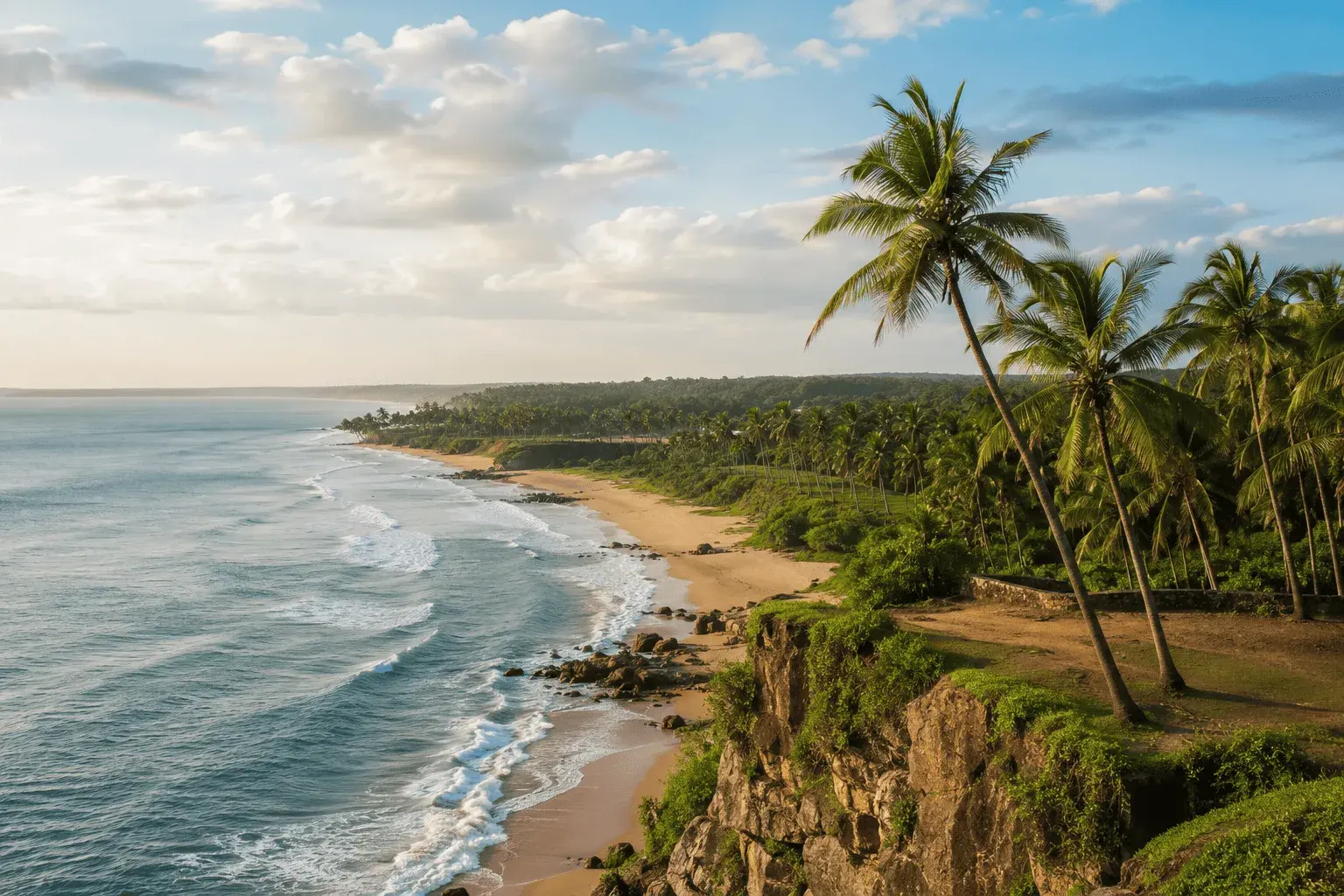
A panoramic aerial view of a pristine tropical coastline with golden sandy beaches, turquoise ocean waves, lush palm trees, and rugged cliffs under a bright blue sky. The expansive landscape is free from crowds, conveying the beauty of unspoiled coastal destinations and the importance of sustainable tourism.

July 21, 2026

Before the Crowds Arrive: What Africa Can Learn from the World's Overtourism Crisis

Before tourism booms, Africa has a rare head start. Lessons from Venice, Dubai, Rwanda, and Bhutan on building destinations that last.

Read more
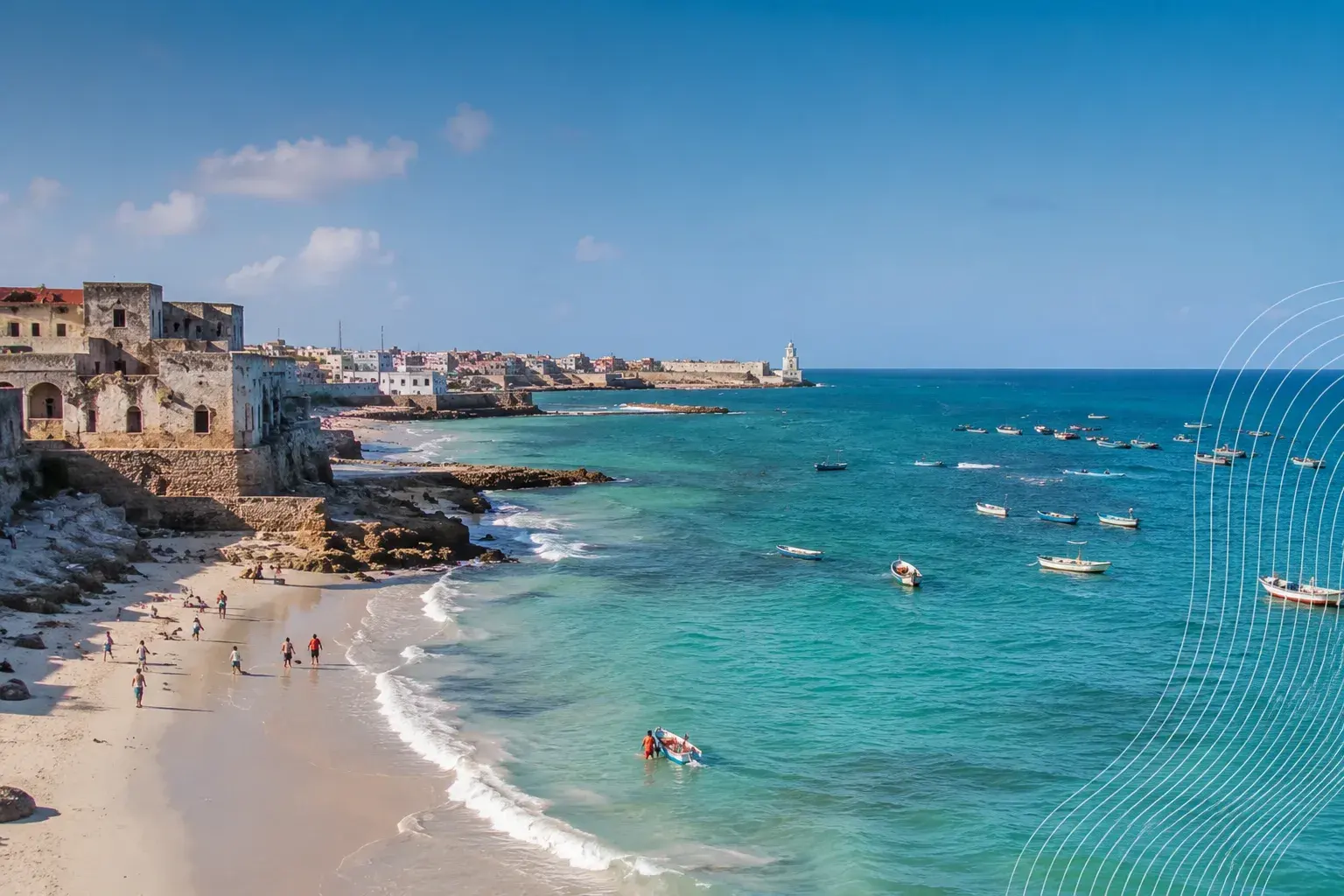
Somalia and Tanzania strengthen tourism cooperation through blue economy and coastal tourism initiatives.

July 20, 2026

Somalia and Tanzania's Tourism Cooperation Could Open a New Chapter for East Africa

Somalia and Tanzania are strengthening tourism cooperation through knowledge sharing and the blue economy. Discover what this means for East Africa, coastal tourism and Somalia's future.

Read more
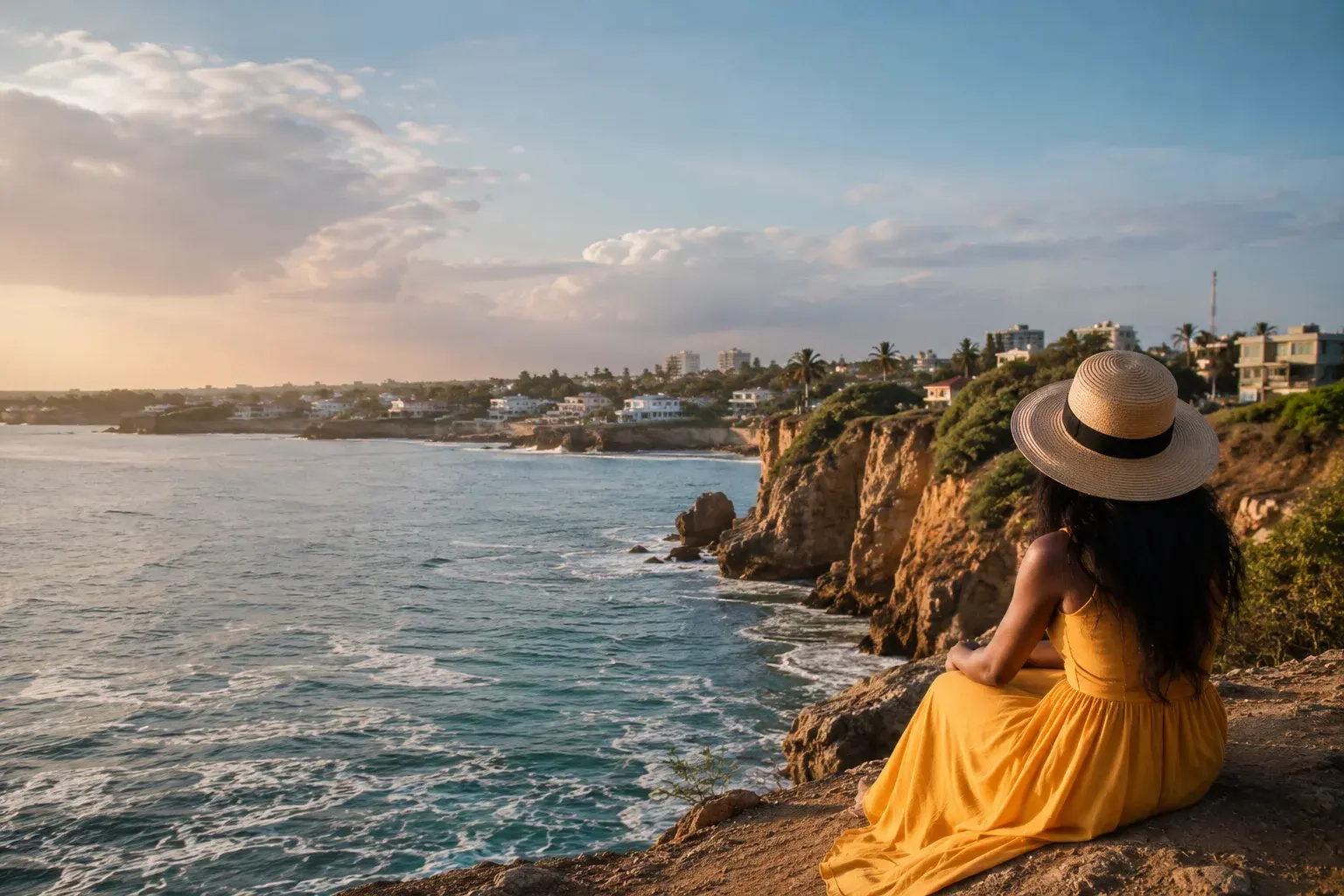
Woman overlooking a luxury coastal resort with turquoise waters, rocky cliffs, and a small boat anchored offshore at sunset.

July 20, 2026

The Blue Economy and Coastal Tourism Explained. Why Africa's Coastlines Matter More Than Ever

What the blue economy and coastal tourism really mean, how they support jobs and growth, which African countries are leading, and the challenges every coastal destination must face.

Read more
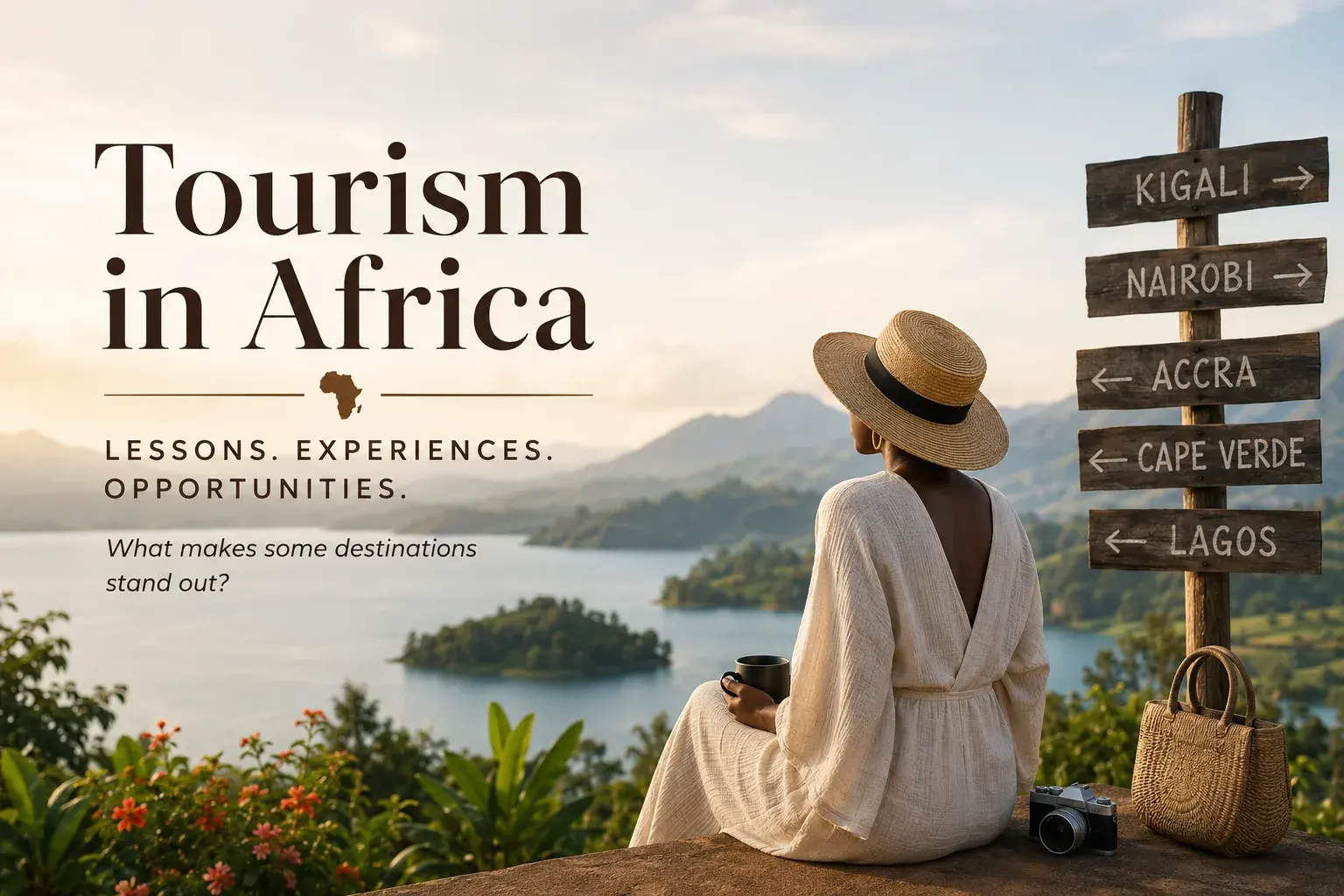
What East Africa Can Teach the Rest of Africa About Tourism

July 19, 2026

What East Africa Can Teach the Rest of Africa About Tourism

Discover why countries like Rwanda and Kenya have become leading tourism destinations and what the rest of Africa can learn from their approach.

Read more
A passport placed on a newspaper beside a map of Africa, a magnifying glass, a smartphone and a model airplane, symbolising travel policy, passport mobility and country branding.

July 18, 2026

The Spain Visa Story Everyone Shared. Here's What It Reveals About Africa's Passport Problem.

A viral report about Spain's visa policy sparked conversations across Africa. This analysis explores what the story reveals about passport mobility, country branding, public policy and why national reputation is built through more than tourism campaigns.

Read more

Young African woman reflecting in a modern workspace, symbolizing growth, confidence and the vision behind Ria's Colony.

July 2, 2026

What Is Ria's Colony? The Story Behind the Brand

Ria's Colony is a trade and tourism company that helps people understand African countries, travel across them and do business in their markets. Meet Style Vault, Style Mirror, Aerial View and Aerial Connect.

Read more

Get new posts in your inbox

No spam, just new stories from the Colony as they go up.