Uganda’s 2026 tourism strategy goes beyond advertising, combining diplomacy, trade events, international media, familiarisation trips and partnerships to grow key markets.
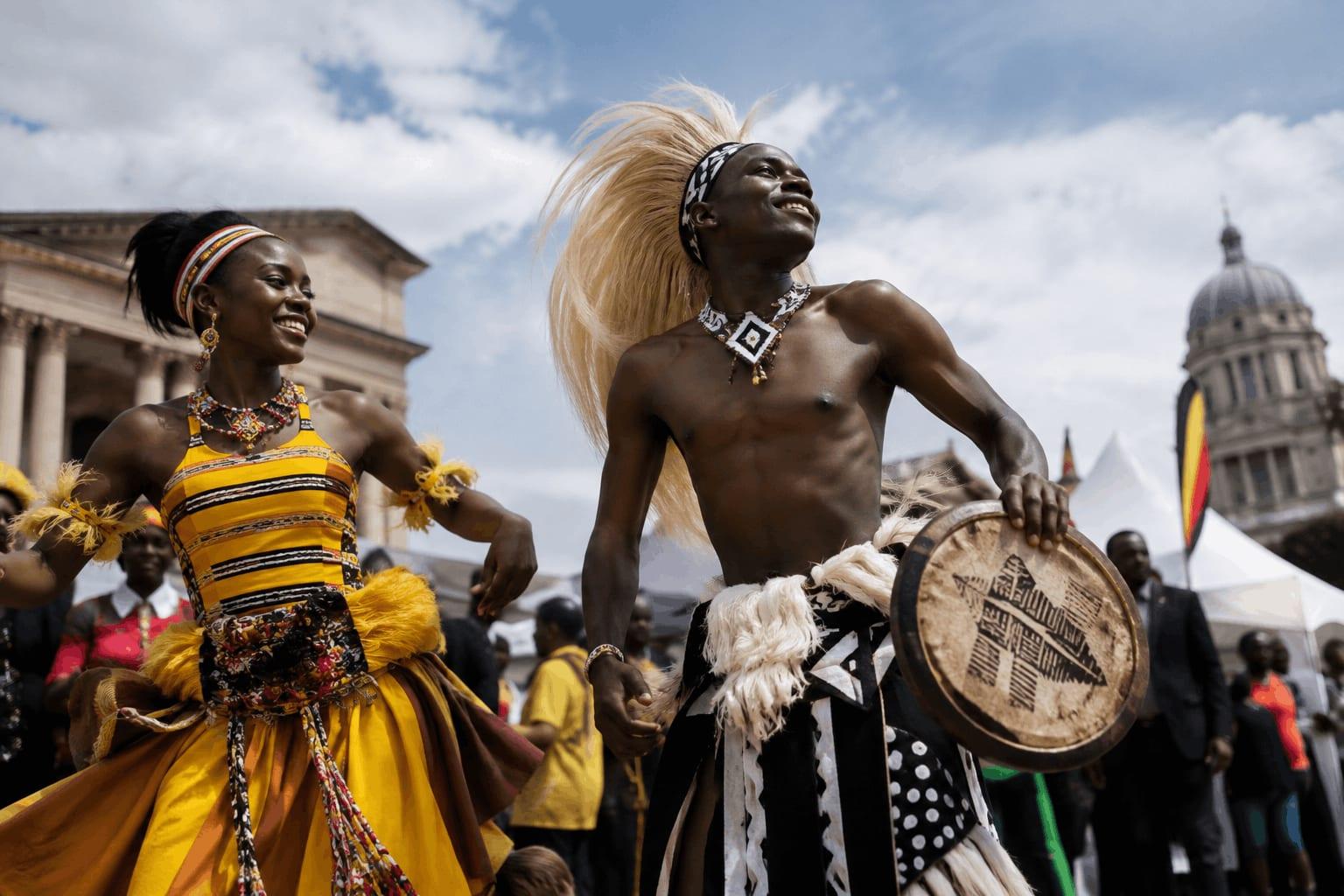
In June 2026, the Uganda Tourism Board launched its first Cultural and Tourism Festival in Munich. The festival brought Uganda’s diaspora in Germany together with tourism stakeholders and investors. German tour operators and the wider European market were part of the programme too, but tourism was not the whole point of the event. There was a strong focus on Uganda’s relationship with its community in Germany, with cultural activities, consular services, tourism and investment all brought into the same space.
The festival ran from 26 to 28 June 2026 at Bahnhofstraße 30 in Dornach bei München and was hosted by the Embassy of Uganda in Germany. Organisers described it as the largest Ugandan public gathering held in Germany to date. President Yoweri Museveni officially opened the festival on 26 June, with his message delivered by Mariam Ataho, the Presidential Assistant on Music and Cultural Affairs. Vincent Bagiire Waiswa, Permanent Secretary at Uganda’s Ministry of Foreign Affairs, also opened the event and spoke about the relationship between Uganda and Germany in terms of mutual learning and the exchange of best practices.
The programme went beyond tourism. Alexander Dorow, a member of the Bavarian state parliament, addressed the festival on behalf of the regional government and pointed to Gulu City’s Oktoberfest, modelled on Bavaria’s own beer festival, as an example of the cultural exchange already taking place between Uganda and Bavaria.
There was also a consular services desk offering passport renewal, national ID registration and document attestation. The planned Miss Uganda Schengen 2026 pageant was presented as a way to select a cultural ambassador who could promote Uganda’s tourism, coffee and investment opportunities across Europe.
So while tourism was an important part of the event, the festival was also about Uganda’s relationship with its diaspora and with Germany more broadly. The cultural programme, consular services, tourism meetings and investment conversations all sat alongside each other.
The commercial side was happening at the same time. Uganda Tourism Board Marketing Manager Francis Nyende and acting Commissioner for Tourism Development Vivian Lyazzi met German tour operators about expanding Uganda-focused travel packages. Two days earlier, officials had also been in Düsseldorf for a tourism roadshow, where they pitched gorilla trekking and wildlife safaris directly to operators.
Uganda is also not starting from scratch in Germany. The two countries have had diplomatic relations since 1962, while Germany’s development cooperation with Uganda has included renewable energy, agriculture and Lake Victoria’s water resources. Bilateral trade was worth roughly $335 million in 2024.
There is already a relationship between the two countries. Uganda is now trying to turn more of that relationship into tourism, investment and trade.
The Munich festival came alongside a bigger international campaign
In this section
Uganda is also looking at other ways to keep the country in front of international audiences.
The timing is worth noting because the Munich festival came in the same month that UTB launched a much bigger international storytelling campaign.
On 9 June 2026, Uganda Tourism Board and CNN International Commercial launched The Pearl Awaits, a branded content campaign produced by CNN Create and featuring Ugandan-born spoken-word artist George the Poet as the guide.
The campaign includes 60-second and 30-second films running across CNN International and CNN US, alongside digital travel guides built around three themes: Wildlife and Scenery, Water and Adventure, and Primates.
George the Poet, whose real name is George Mpanga, returned to Uganda for the campaign and retraced childhood memories, including time with Acholi dancers in Pakwach and visits to Murchison Falls. He is not presenting Uganda simply as an unfamiliar destination to an international audience. He is telling the story from a personal connection to the country.
UTB CEO Juliana Kagwa also connected the campaign to Uganda being declared Ebola-free, saying the country was ready to welcome the world. She described it as a chance to celebrate Uganda among Ugandans themselves before inviting a wider international audience to discover it.
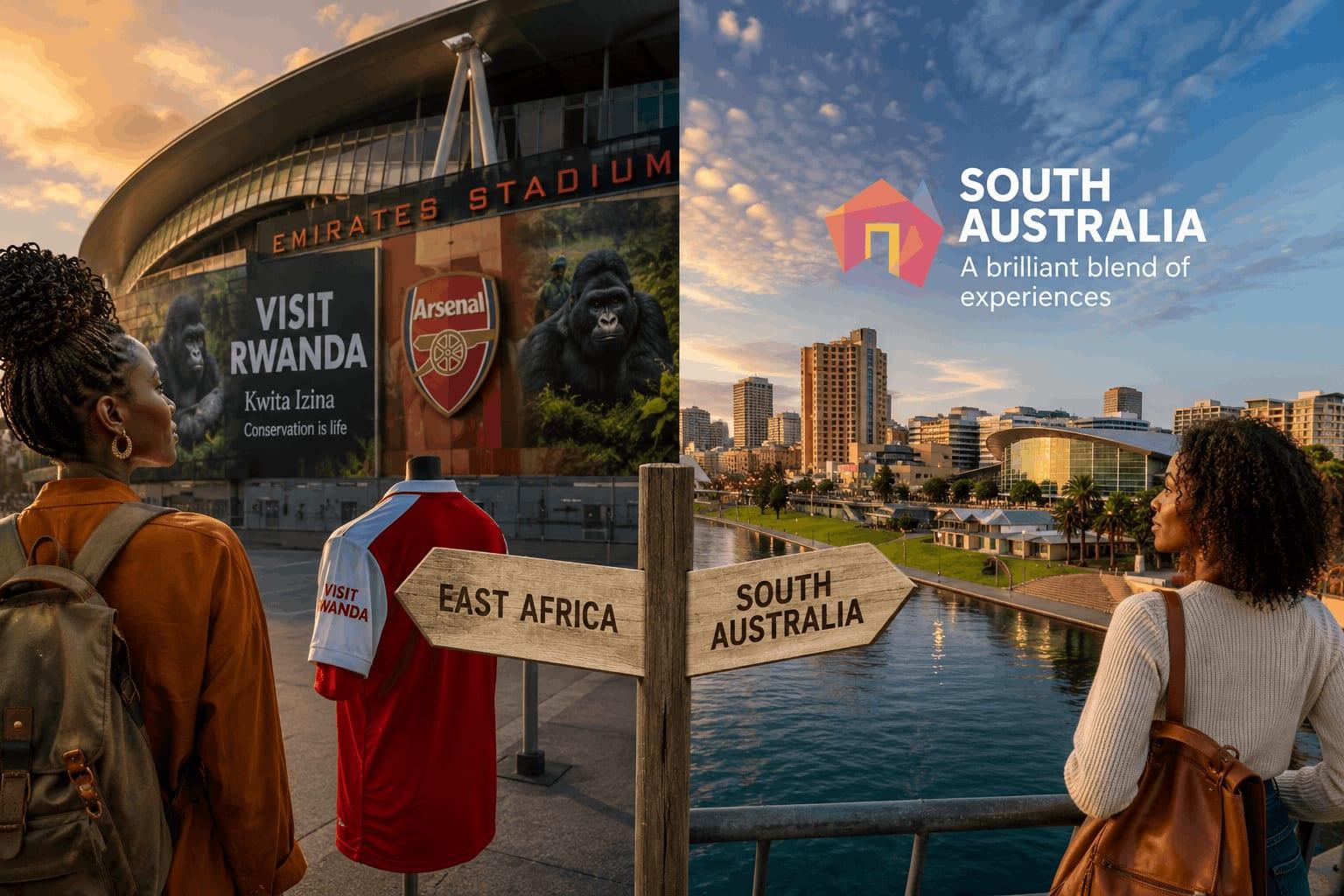
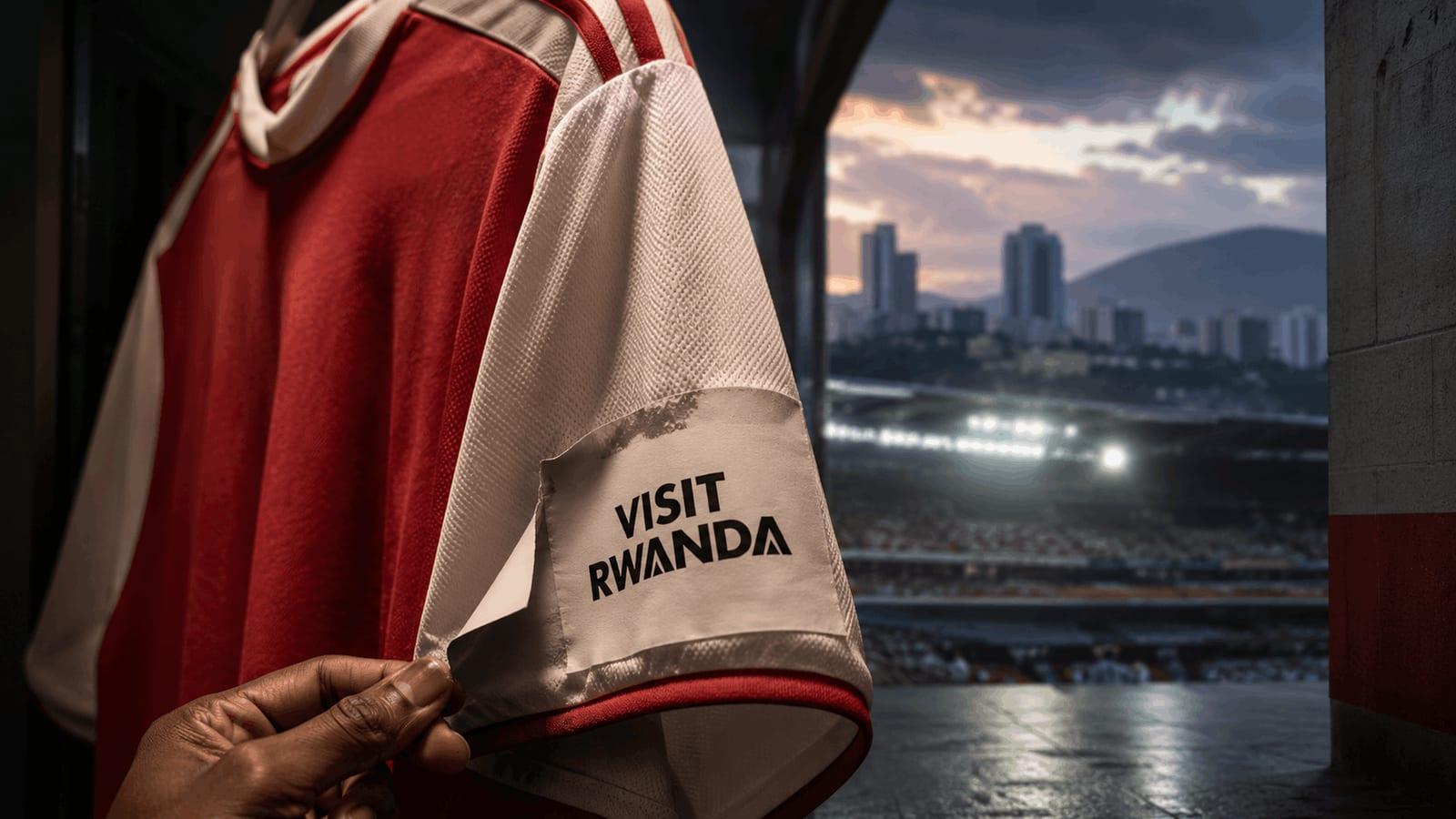
Uganda is also looking at other ways to keep the country in front of international audiences. State Minister for Tourism Susan Nakawuki has confirmed advanced discussions with several English Premier League clubs about putting the Visit Uganda brand on football jerseys. That would follow a destination marketing model Rwanda has already used through football sponsorships.
Taken together, these efforts suggest that Uganda is looking beyond individual campaigns and thinking about how to stay familiar to people in its target markets. The idea is not just to get someone to see Uganda once, but to keep the destination in their minds long enough for that awareness to become interest and, eventually, travel.
Diplomacy is becoming part of the tourism strategy
In this section
The expo then gives those relationships a place to move towards partnerships, travel packages and bookings.
The familiarization trips organized ahead of POATE are a good example. Uganda hosted delegations from Turkey, Egypt, China and Canada, mainly tour operators, on trips across the country before the 2026 Pearl of Africa Tourism Expo.
A familiarization trip is a hosted visit that allows travel professionals to experience a destination for themselves before deciding whether and how they might sell it to their customers. The visiting tour operators can see the hotels, attractions and activities, meet local tourism businesses and get a better sense of the experience Uganda offers.
For the Ugandan businesses hosting them, the trips also create an opportunity to meet potential international buyers directly and begin building relationships with companies that could eventually include Uganda in their travel packages.
That is where POATE comes in. The Pearl of Africa Tourism Expo is Uganda’s main tourism trade event, bringing tourism businesses together with international buyers for meetings, networking and potential business deals.
The idea was that by bringing these buyers into Uganda before the expo, they would arrive with some understanding of the destination and the businesses operating there. The conversations at POATE could then move beyond a first introduction and towards partnerships, travel packages and bookings.
UTB CEO Juliana Kagwa has explained the approach in similar terms, saying the familiarization trips were intended to make the expo meetings more productive.
Instead of using the expo simply to introduce Uganda and explain what the country offers, Ugandan businesses could have more specific conversations with buyers who had already seen some of the products, met some of the operators and experienced the destination themselves.
That is a more deliberate way of using a trade event. The trip creates familiarity and relationships first. The expo then gives those relationships a place to move towards partnerships, travel packages and bookings.
This follows the awareness before sales sequence in marketing: bring potential buyers to experience Uganda first, let them meet the people selling the product, and then give those relationships a place to develop commercially at POATE.
ITB Berlin was another opportunity to meet the market directly
In this section
Uganda also used the event to talk about its conservation work, including the recovery of its white rhino population.
In March 2026, Uganda travelled to Berlin, Germany, to take part in ITB Berlin, one of the world's major international travel trade events. ITB Berlin is held each year in Berlin and brings together tourism boards, destinations, hotels, airlines, tour operators, travel agencies and other businesses from around the world. It is primarily a trade event, so much of the work happens through meetings between people who sell and buy travel rather than through public tourism displays.
Uganda was one of the destinations exhibiting at the 2026 event. Its delegation included officials from the Ministry of Tourism and the Ministry of Agriculture, representatives of the Uganda Wildlife Authority and Uganda Airlines, as well as 26 Ugandan tour operators and hoteliers.
The goal was not simply to put Uganda on display. The Ugandan delegation took part in structured business-to-business meetings with European travel partners, giving the country's tourism businesses an opportunity to meet companies that could potentially sell Uganda to travelers in their markets.
That market matters to Uganda. European countries currently account for more than 39,000 visitors to Uganda each year, according to figures cited by Ugandan officials, and the country wants to increase that number.
Uganda also used the event to talk about its conservation work, including the recovery of its white rhino population. White rhinos were once extinct in the wild in Uganda, and the country has since rebuilt the population through breeding and protection programs. Uganda used that story at ITB to show that tourism is connected to conservation in practical ways. Revenue from tourism helps fund rangers, habitat management and work with communities around protected areas, so bringing visitors to Uganda is also presented as part of how the country supports the places and wildlife they come to see.
There was also a useful lesson from Uganda’s experience in the European market.
A tourism official working on the Swiss market pointed to Germany as an example of what can happen when a destination keeps showing up in the same market over time. Uganda’s repeated presence at ITB Berlin had helped make the country more familiar to German buyers, and that familiarity had eventually contributed to greater visibility and sales.
But the same official made an important point about entering new markets. Showing up is not enough if you do not understand the people you are trying to reach. A tourism business can create a product that does not suit the market, promote the right product to the wrong audience or miss important differences in how people travel and make their buying decisions.
That puts Uganda’s ITB participation in a slightly different light. The country was not only trying to get more European buyers to notice Uganda. Its tourism businesses were also meeting those buyers, learning about the markets they operate in and starting relationships that could continue after the event.
A trade show can create that first meeting. The work of turning the meeting into a business relationship happens afterwards.
Uganda gets a seat in another global tourism network
In this section
WTTC brings together major travel and tourism companies, industry organizations and destination organizations.
In April 2026, Uganda Tourism Board joined the World Travel & Tourism Council as a Destination Partner.
For someone outside the tourism industry, that might sound like a routine membership announcement. It is worth explaining what it actually means.
The World Travel & Tourism Council, usually known as WTTC, is a global industry organization that brings together major travel and tourism companies, destinations and industry leaders. Its members include airlines, hotels, tour operators and other travel businesses, as well as organizations responsible for promoting destinations.
A Destination Partner is a WTTC membership category for organizations responsible for promoting a particular destination. In Uganda’s case, the organization joining is the Uganda Tourism Board, the government agency responsible for promoting Uganda as a tourism destination and supporting the development of the sector.
WTTC brings together major travel and tourism companies, industry organizations and destination organizations. So Uganda Tourism Board is joining the council as the organization representing Uganda’s destination interests, rather than Uganda becoming a member in the same way that an airline, hotel group or travel company would, as WTTC has different types of members.
Being a national tourism board does not automatically make an organization a WTTC Destination Partner. It is a specific membership category for destination organizations that choose to join WTTC’s network and participate in its industry discussions, partnerships and activities.
When Uganda joined in April, WTTC said Destination Partners take part in its work around collaboration, innovation and sustainable tourism growth. Membership also gives destinations access to WTTC’s network of travel industry executives, government officials and tourism leaders, as well as its research and industry events. WTTC says its research covers 184 economies and 28 geographic and economic regions.
For Uganda, that creates another way to meet people who can influence how the country is marketed, which travel products are sold and where tourism businesses and investors look for opportunities.
UTB CEO Juliana Kagwa described the partnership as a way to strengthen Uganda’s voice in the global tourism industry and create opportunities for collaboration and knowledge exchange. WTTC also highlighted that UTB’s role goes beyond promoting Uganda to potential visitors. The board is involved in tourism development, coordination and regulation, as well as supporting tourism products and Uganda’s competitiveness as a destination.
That makes the WTTC partnership another part of Uganda’s wider effort to build relationships in international markets. The country is not only advertising Uganda and waiting for travelers to respond. Its tourism board is also building connections with the people and organizations that shape the travel industry.
The partnership itself does not guarantee new visitors or investment. Its value will depend on the relationships Uganda builds through it and what comes from them.
And then there is POATE
POATE is where some of this work comes together
In this section
The expo then gives both sides a place to continue those conversations and discuss possible partnerships, travel packages and bookings.
A lot of the activity around Uganda’s international tourism markets leads back to the Pearl of Africa Tourism Expo, known as POATE.
POATE is Uganda’s main tourism trade expo. It brings together Ugandan tourism businesses, international tour operators, travel agencies, buyers and other industry professionals for meetings and business discussions. The 2026 edition was held from 21 to 23 May at Speke Resort Munyonyo in Kampala, under the theme “Wanderlust, It’s Your Time to Thrive.” It was the 10th edition of the expo.
Uganda has been trying to make POATE more commercially focused, with greater emphasis on business-to-business meetings, partnerships and opportunities for tourism businesses to sell their products through international markets.
That helps explain why the familiarization trips happened before the expo.
A tour operator from Canada or Turkey who has already travelled around Uganda, seen some of its tourism products and met local operators arrives at POATE with a better understanding of what Uganda has to offer. The Ugandan businesses are also meeting someone they have already had some contact with, rather than starting with a completely cold introduction.
The expo then gives both sides a place to continue those conversations and discuss possible partnerships, travel packages and bookings.
There is another reason Uganda is paying attention to international tourism opportunities now. The country will co-host the 2027 Africa Cup of Nations with Tanzania and Kenya, and tourism officials see the tournament as an opportunity to put Uganda in front of a much larger international audience. The hope is that some of that exposure will lead people who come for the tournament, or hear about Uganda through it, to consider the country for future travel as well.
That makes POATE more than an event that happens once a year. It is one point in a longer process. Uganda can meet buyers at international trade shows, bring some of them into the country, introduce them to local tourism businesses and then use POATE to continue those conversations.
The real test is what happens after the meetings, when those conversations have to turn into actual travel packages, partnerships and visitors.
What Uganda seems to be building
In this section
The Munich festival helped Uganda strengthen its connections with its diaspora and the wider German market.
Look at the Munich festival alongside the CNN campaign, the Düsseldorf roadshow, ITB Berlin, the familiarization trips from Turkey, Egypt, China and Canada, the WTTC partnership and POATE.
These are different activities, but together they show a fairly consistent way of approaching international tourism.
Uganda is building relationships in markets it wants to grow. It is using diplomatic connections to open doors, bringing potential buyers into the country, meeting the travel trade at international events and using international media to keep the destination visible. Some of those efforts are aimed at travelers directly, while others are aimed at the companies that decide which destinations and travel products get sold.
But the work does not stop when the event or campaign ends. The tour operator met at ITB still needs to be followed up with. The buyer who visited Uganda on a familiarization trip still needs someone to stay in touch. Someone has to understand what is working in each market, what is not, and what needs to change. Uganda also has to remain visible after the trade show, roadshow or campaign is over.
Someone has to follow up with the tour operator they met at ITB. Someone has to keep the relationship with a buyer who came on a familiarization trip. Someone has to understand why a market is responding to one tourism product but not another. Someone has to keep Uganda in the conversation when there is no expo, roadshow or major campaign running.
The value comes from what Uganda does with each of those opportunities afterwards.
A campaign can introduce people to Uganda. A trade show can create business meetings. A familiarization trip can give potential buyers a chance to experience the destination for themselves. A diaspora event can strengthen relationships with people who already have a connection to the country. A partnership such as WTTC can create access to a wider industry network.
But none of these, on its own, creates a lasting presence in a market. That takes continued work after the campaign or event, from following up with potential buyers to understanding the market, staying visible and turning new relationships into actual business.
Taken together, Uganda’s tourism activity in 2026 shows us that the country is not relying on one campaign or one event to grow its international markets. It is using different channels for different parts of the job: diplomatic relationships to open doors, trade events to meet buyers, familiarization trips to let those buyers experience the destination, and international media to keep Uganda visible.
The Munich festival helped Uganda strengthen its connections with its diaspora and the wider German market. ITB gave Ugandan tourism businesses the chance to meet European buyers. The familiarization trips brought some of those buyers into Uganda to experience the destination and meet local operators for themselves. POATE then gave buyers and Ugandan businesses another opportunity to continue those conversations and discuss potential business. The CNN campaign took Uganda’s story to a much wider international audience, while Uganda’s diplomatic network helped create and maintain relationships in individual markets.
It is also where a market-facing promotion partner can have a role. A tourism marketing or market representation company working in one of Uganda’s target markets can help maintain those relationships between major events, keep in touch with travel companies, and support ongoing trade engagement.
It is to help connect these efforts, keep relationships active between the major events and build a sustained presence in the markets Uganda has chosen to pursue.
Being seen in a market is one thing. Becoming familiar enough to be considered, recommended and eventually booked is another.