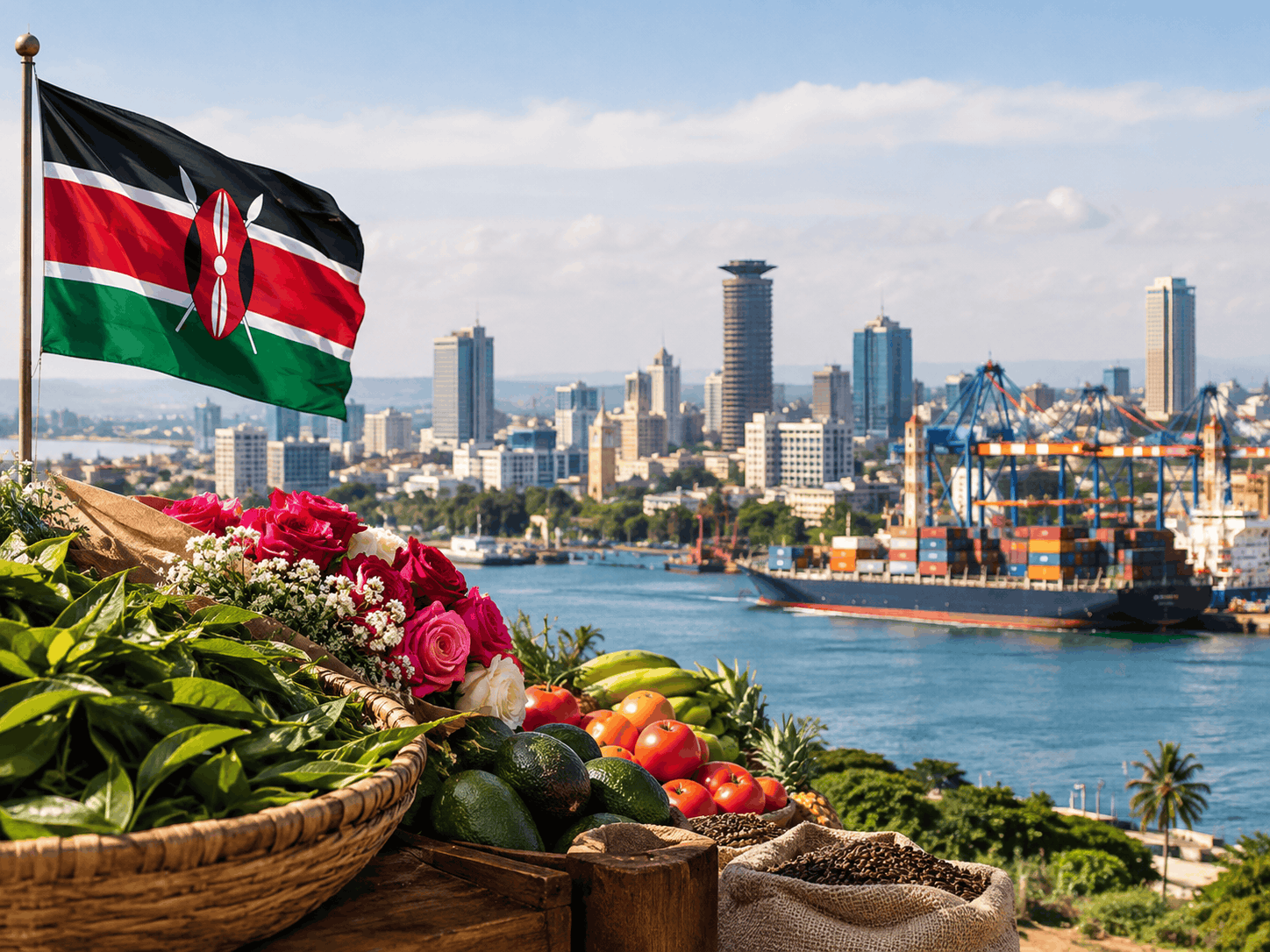
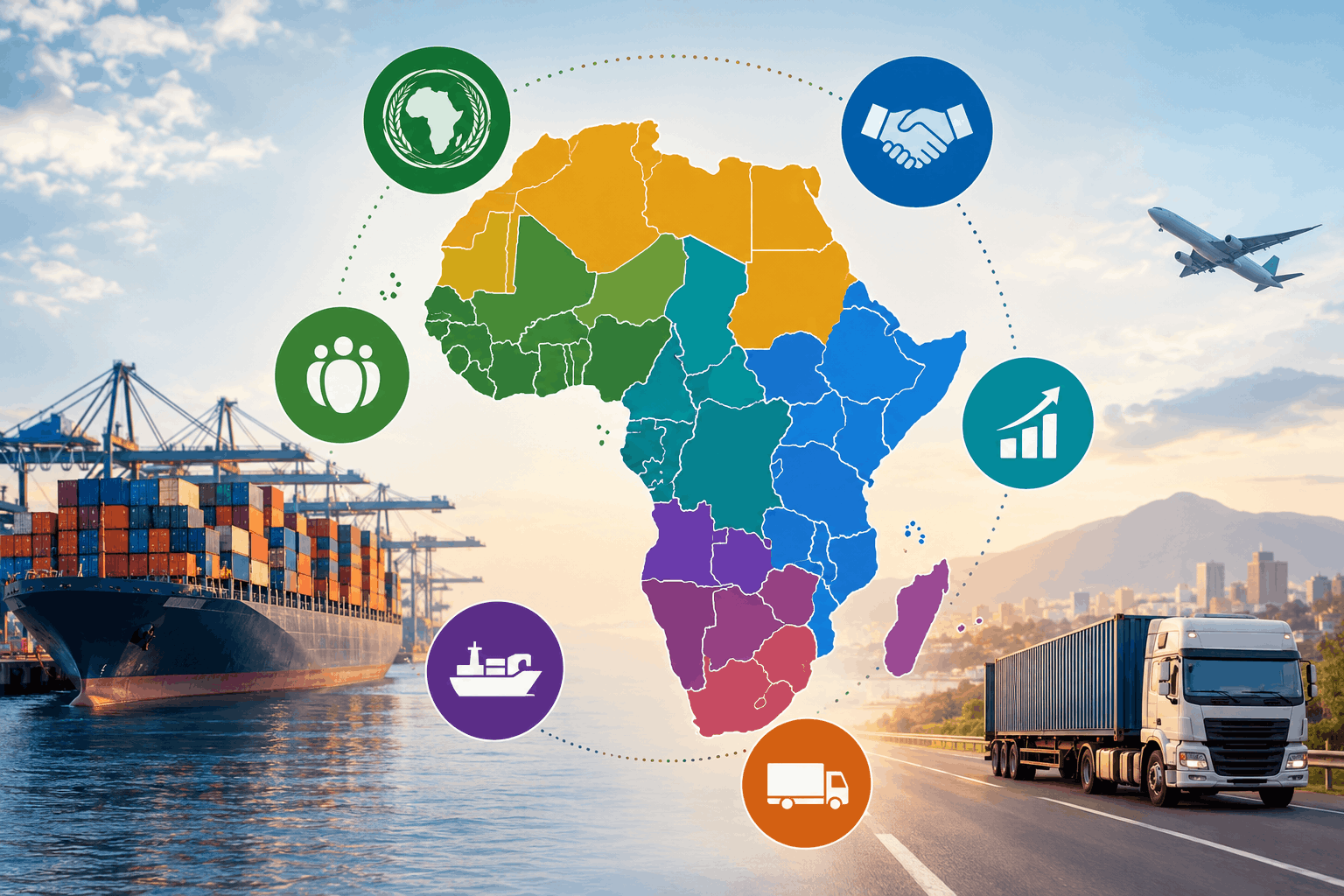
How Kenya earns and trades through tea, flowers, manufacturing, services and diaspora remittances, plus its regional trade links, Mombasa port and business opportunities.
Money sent home: Kenya's earnings from abroad
In this section
Kenya receives money from both sources, alongside income from tourism, transport, finance and other services.
In 2025, Kenyans living and working abroad sent home approximately KSh 661 billion, according to Kenya's National Bureau of Statistics. That was more than the combined value of four major Kenyan goods exports: tea, cut flowers, fruits and vegetables, and clothing.
Tea exports were worth about KSh 187 billion, cut flowers brought in KSh 103 billion, fruits and vegetables accounted for KSh 100 billion, and clothing exports were valued at KSh 63 billion. Together, these four categories came to approximately KSh 453 billion.
The comparison gives a useful sense of the importance of money sent home by Kenyans abroad. However, remittances and export earnings are different. Remittances are transfers from people living abroad to households and other recipients in Kenya. Export earnings come from selling goods and services to customers in other countries.
Kenya receives money from both sources, alongside income from tourism, transport, finance and other services. Each contributes to the country's external finances in a different way.
The goods trade tells another part of the story. Kenya sells tea, flowers, vegetables and clothing to international markets, while manufacturers supply neighbouring countries with products such as cooking oil, steel goods, cement, soaps and processed foods. Uganda is an especially important customer. It purchased approximately KSh 162 billion of Kenyan goods in 2025, according to reported trade data.
Much of Kenya's regional trade depends on its position as a gateway to East and Central Africa. Goods arriving through Mombasa can travel inland to Uganda, Rwanda, South Sudan, Burundi and the eastern Democratic Republic of Congo. Kenyan banks, telecommunications companies, manufacturers and logistics businesses also serve customers across these markets.
Kenya's economy combines these regional connections with a large agricultural sector, a developed services industry and a growing technology scene. It also faces considerable pressure from public debt, the cost of imports and the difficulty of raising government revenue without increasing the financial burden on households and businesses.
This is the third profile in Africa's Markets, Country by Country, following Nigeria and Ghana. Here, we look at what Kenya produces, what it buys, where it trades and what its economy means for businesses considering the country as a market or a regional base.
Kenya at a glance
Measure
Figure
Period
Nominal GDP
Approximately KSh 17.6 trillion
2025
Real GDP growth
4.6%
2025
Real GDP growth
5.1% in the second quarter
Q2 2026
Domestic merchandise exports
Approximately KSh 968 billion
2025
Total merchandise exports, including re-exports
Approximately KSh 1.12 trillion
2025
Merchandise imports
Approximately KSh 2.77 trillion
2025
Diaspora remittances
Approximately KSh 661 billion
2025
Largest goods export
Tea, approximately KSh 187 billion
2025
Largest reported individual export destination
Uganda, approximately KSh 162 billion
2025
Largest import supplier
China, approximately KSh 671 billion
2025
International visitor arrivals
Approximately 2.55 million
2025
Mombasa port cargo throughput
Approximately 45.45 million tonnes
2025
Currency
Kenyan shilling (KSh)
Current
Sources: Kenya National Bureau of Statistics Economic Survey 2026, Central Bank of Kenya publications and reported trade data. The figures refer to different measures and reporting periods.
How Kenya's economy is built
In this section
Government borrowing has helped finance roads, railways, power infrastructure and other public projects.
Kenya has a large services sector, but agriculture remains important to employment, household incomes and exports.
According to the 2026 Economic Survey, services accounted for approximately 55% of GDP in 2025, agriculture contributed 23.2%, and industry accounted for 16.3%. The remainder reflects the effects of national accounting classifications and statistical adjustments, so the percentages should not be treated as a complete breakdown that necessarily adds up to exactly 100%.
Services cover a wide range of activities, including wholesale and retail trade, transport, banking, insurance, telecommunications, real estate, education, tourism and government services. Nairobi's role as a commercial centre supports many of these industries. Companies operating across East Africa often use the city for regional management, finance, technology and professional services.
Agriculture has a different reach. Tea, flowers, vegetables, coffee, maize, dairy products and sugar connect rural producers to domestic consumers and export markets. Farming also supplies raw materials to manufacturers and supports businesses involved in processing, packaging, transport and storage.
Industry includes manufacturing, construction, electricity and other production activities. Kenyan factories produce food products, building materials, household goods and other items for local consumers and regional buyers. Construction is also tied to public infrastructure, housing and private investment.
Kenya's economic growth has remained positive, although the pace has varied. Real GDP grew by 4.6% in 2025, while the economy expanded by 5.1% in the second quarter of 2026, according to the figures cited in the Economic Survey and subsequent reporting.
Growth in a single quarter does not guarantee that the same pace will continue throughout the year. Any figure for the whole of 2026, including the Central Bank of Kenya's growth forecast, remains a forecast until the final annual result is published.
The pressure of public debt
Public debt is one of the most important issues shaping Kenya's economic choices.
Government borrowing has helped finance roads, railways, power infrastructure and other public projects. The funding has come from several sources, including domestic markets, international bond investors, multilateral lenders and bilateral creditors.
Borrowing can support development, but it creates repayment obligations. The government must find the money to service existing debt while also funding education, healthcare, security, infrastructure and other public services.
Raising revenue has proved politically difficult. In June 2024, widespread protests led largely by young Kenyans forced the government to withdraw its proposed Finance Bill. The demonstrations reflected public opposition to proposed tax increases and wider concerns about the cost of living, employment and government spending. The protests also turned deadly.
Kenya's previous International Monetary Fund programme ended in April 2025 without all the funds originally available under the arrangement being disbursed. Discussions about further IMF support have been part of the wider debate about the government's financing needs and fiscal plans.
For businesses, the consequences of fiscal pressure can include changes to taxes and levies, delayed payments on public contracts and uncertainty about future policy. These risks do not mean that doing business in Kenya is necessarily unattractive. They mean that businesses need to understand the government's financial position when assessing costs and planning for the long term.
What Kenya sells
In this section
Tourism brings international visitors to the country's national parks, coast, cities and cultural attractions.
Kenya's exports include agricultural products, manufactured goods and services. Agricultural exports remain especially visible internationally, but regional demand also supports Kenyan manufacturers.
The following figures from the 2026 Economic Survey provide a useful starting point for understanding the country's major merchandise exports.
Export category
Value in 2025
Approximate share of domestic goods exports
Tea
KSh 187 billion
19%
Cut flowers
KSh 103 billion
11%
Fruits and vegetables
KSh 100 billion
10%
Clothing and apparel
KSh 63 billion
7%
Unroasted coffee
KSh 52 billion
5%
All domestic merchandise exports
KSh 968 billion
100%
Shares are rounded and calculated using the reported domestic merchandise export total.
Tea
Tea is one of Kenya's best-known exports and an important source of income for farmers, processors, traders and exporters.
Production is concentrated in highland areas around Kericho, Nandi, Nyeri and Murang'a, among others. Both large estates and smallholder farmers supply tea factories, including factories associated with the Kenya Tea Development Agency.
The Mombasa tea auction plays an important role in bringing Kenyan tea to international buyers. It also handles tea from other producing countries in the region, making Mombasa an important trading centre beyond Kenya's own production.
Pakistan, Egypt, the United Kingdom and buyers in the Gulf are among the markets associated with Kenyan tea exports. The exact ranking of these destinations can change from year to year.
Much Kenyan tea is exported in bulk. It can then be blended, packaged and marketed under brands in other countries. Processing and branding more tea locally could allow Kenyan businesses to capture a greater share of the value created along the supply chain.
That opportunity requires investment in processing, packaging, marketing and access to buyers. It is not enough to produce a good crop; businesses must also meet buyers' specifications and compete on price, quality and reliability.
Flowers, fruits and vegetables
Kenya is an important exporter of cut flowers, particularly roses. Flower farms around Lake Naivasha and other growing areas supply international markets, including European buyers.
The trade depends on speed and careful handling. Flowers are perishable, so harvesting, grading, cooling, transport and airport logistics all affect whether shipments reach buyers in good condition.
Fresh vegetables, including green beans and peas, follow similar supply chains. Avocados have also become an important export crop, with Kenya pursuing access to additional international markets.
For growers and exporters, the opportunities extend beyond farming. Cold storage, packaging, freight services, quality testing and processing all support horticultural exports.
The sector also faces challenges. Businesses must meet destination-market standards, manage changing weather conditions and handle the costs of air freight, energy and other inputs. When reading reports of export growth, it helps to check which measure is being used, since increases in production, export volumes and export values are not the same thing.
Clothing and apparel
Kenya's export-processing zones support factories producing garments for international buyers. These businesses provide employment and connect Kenyan manufacturing to global clothing supply chains.
Access to the United States under the African Growth and Opportunity Act (AGOA) has been important to the sector. The programme provides eligible sub-Saharan African countries with preferential access for qualifying products, subject to its rules and country eligibility requirements.
Because clothing exports depend on trade preferences, changes to AGOA can affect orders, investment decisions and employment. Businesses considering manufacturing for export need to check the programme's current legal status, product requirements and Kenya's eligibility rather than assuming that preferential access will remain unchanged.
Kenya's clothing industry also competes with producers in other countries on cost, delivery times, quality and the ability to meet buyers' requirements.
Coffee and other goods
Kenyan coffee has a reputation among specialty buyers for its distinctive flavour profiles. Much of it is Arabica coffee, marketed through systems that connect growers, processors, exporters and international roasters.
As with tea, there is an opportunity to retain more value locally through roasting, packaging, branding and finished consumer products. Those activities require access to equipment, distribution channels and customers willing to pay for the product.
Kenya also exports macadamia nuts, cashews, soda ash, cement, iron and steel products, plastics, cooking oils, soaps and processed foods. Some of these products supply neighbouring markets, where proximity and established commercial relationships can help Kenyan firms compete.
Manufactured exports are important because they broaden the country's sources of export revenue beyond agricultural commodities. They also create links between farming, processing, industrial production and regional distribution.
Services and remittances
Goods are only part of Kenya's economic connections with the rest of the world.
Tourism brings international visitors to the country's national parks, coast, cities and cultural attractions. Hotels, restaurants, guides, transport companies and other service providers earn income from this activity.
Transport and logistics companies also support the movement of goods through Mombasa and along the Northern Corridor. Kenya Airways, freight operators, banks, insurers and telecommunications businesses serve customers at home and across the region.
Nairobi's professional services sector supports regional operations in areas such as finance, consulting, technology and business management. These activities can generate service-export earnings when Kenyan businesses provide services to customers abroad.
Diaspora remittances are another important source of incoming funds, but they should be counted separately. Money sent home by Kenyans abroad supports families, household spending, education, housing and investment. It also contributes to the country's foreign-exchange inflows.
Taken together, goods exports, service exports and remittances help explain Kenya's external financial position. Their contributions differ, and none should be used as a substitute for the others when assessing the country's trade performance.
What Kenya buys
In this section
China is Kenya's largest reported import supplier, with imports worth approximately KSh 671 billion in 2025.
Kenya imports considerably more merchandise than it exports. In 2025, goods imports were worth approximately KSh 2.77 trillion, compared with domestic merchandise exports of about KSh 968 billion.
However, the merchandise trade deficit must be calculated using consistent export figures. Kenya also re-exports goods that entered the country and are subsequently shipped elsewhere. Including these re-exports brings total merchandise exports to approximately KSh 1.12 trillion and produces a merchandise trade deficit of about KSh 1.65 trillion.
This deficit measures the difference between merchandise imports and total merchandise exports. It is not the same as the current-account deficit, which also includes services, income flows and transfers.
Kenya's major import categories include:
Petroleum products: Fuel is a major import because Kenya relies on imported supplies for much of its transport and energy needs. Changes in international oil prices can affect freight, production, transport fares and food distribution.
Industrial machinery: Equipment is needed for manufacturing, construction, telecommunications, power projects and other investment.
Animal and vegetable fats and oils: Imported palm oil is used in food processing, cooking oil production and soap manufacturing.
Iron and steel: These materials supply construction, infrastructure and manufacturing.
Motor vehicles: Imported vehicles include used cars and commercial vehicles from international suppliers.
Food and agricultural products: Wheat, rice, sugar and maize imports help meet domestic demand, although the volume varies with harvests, prices and weather conditions.
China is Kenya's largest reported import supplier, with imports worth approximately KSh 671 billion in 2025. India is another major supplier. Countries in the Gulf supply significant quantities of fuel, while Malaysia and Indonesia are important sources of palm oil.
These imports serve different purposes. Some meet household demand, while others provide the machinery, raw materials and intermediate goods Kenyan businesses need to operate.
For an African company looking to sell into Kenya, the import bill can help identify potential markets. However, a large national import figure does not automatically translate into an attractive opportunity. A prospective supplier still needs to assess competition, tariffs, product standards, distribution costs, payment terms and the needs of specific buyers.
Who Kenya trades with
In this section
Other African markets include Tanzania, the Democratic Republic of Congo, Rwanda, South Sudan and Somalia.
Kenya's trade patterns reflect two broad connections. It buys substantial quantities of goods from Asian suppliers and sells a significant share of its merchandise to other African countries.
Imports from Asia and beyond
China is Kenya's largest reported individual import supplier. India is also important, while the Gulf supplies fuel and Asian producers supply goods such as palm oil and motor vehicles.
Europe and the United States contribute to Kenya's imports as well. African countries, including Uganda, Tanzania, South Africa and Egypt, also supply the Kenyan market.
The mix reflects Kenya's demand for machinery, fuel, vehicles, manufactured products and food inputs. It also creates opportunities for African suppliers that can compete with established international exporters.
For suppliers elsewhere on the continent, the challenge is to demonstrate that their products can meet Kenyan quality standards and arrive at a competitive price. Preferential trade arrangements can help, but the actual tariff treatment must be checked for each product and country of origin.
Exports to African markets
Africa is a major destination for Kenyan merchandise exports. Reported trade data for 2025 put exports to African countries at approximately KSh 453 billion, compared with about KSh 264 billion to Europe and KSh 276 billion to Asia.
These regional export figures include re-exports and therefore should not be compared directly with the KSh 968 billion figure for domestic merchandise exports.
Uganda was Kenya's largest reported individual export destination, with purchases of approximately KSh 162 billion. Other African markets include Tanzania, the Democratic Republic of Congo, Rwanda, South Sudan and Somalia.
Regional customers buy a range of products, including manufactured goods, processed foods, building materials and other supplies. Fuel that enters through Kenya and moves onwards to neighbouring countries also contributes to regional trade flows.
This demand supports manufacturers, wholesalers, transport companies and distributors. It also means that changes in neighbouring markets can affect Kenyan businesses. A slowdown, border disruption or trade dispute in one country may have consequences for suppliers and logistics operators elsewhere.
For businesses considering Kenya, the country's regional connections are an important part of the market assessment. The opportunity may lie in serving Kenyan customers directly, selling to Kenyan distributors or using established Kenyan firms to reach buyers in other countries.
Trade agreements that matter to Kenya
In this section
Businesses should confirm the latest extension and Kenya's eligibility against official US government records.
Kenya participates in several trade arrangements. Their benefits depend on the agreement, the countries involved, the products covered and the rules that apply to each shipment.
East African Community
The East African Community (EAC) is central to Kenya's regional trade. Its member states are Burundi, the Democratic Republic of Congo, Kenya, Rwanda, Somalia, South Sudan, Tanzania and Uganda.
The EAC customs union provides for common external tariffs and preferential treatment for qualifying goods traded within the bloc. The common market framework also addresses the movement of people, services, capital and labour, although the implementation of particular provisions varies.
For Kenyan manufacturers, the EAC creates opportunities to serve customers across several neighbouring countries without treating every destination as an entirely separate market.
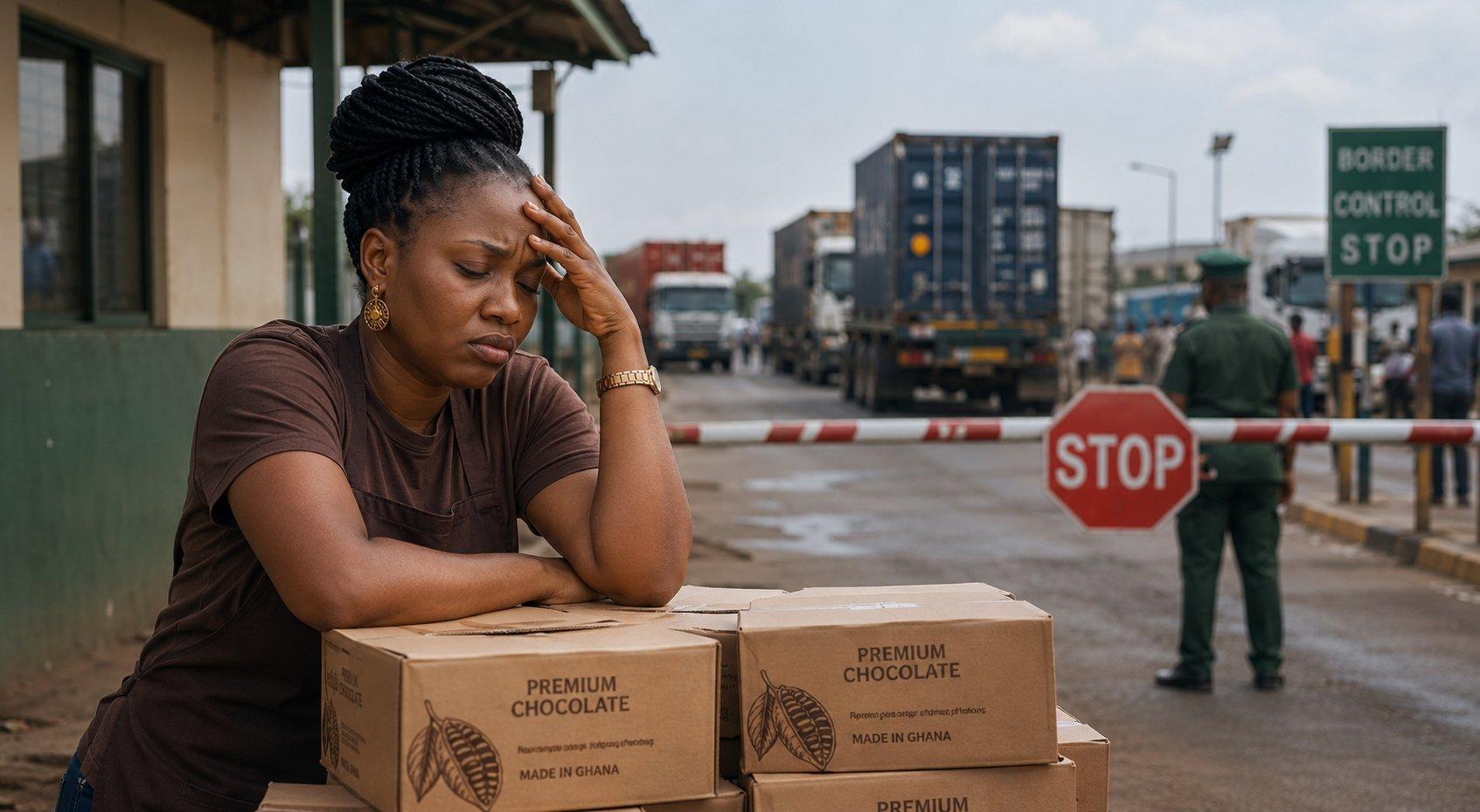
However, membership does not mean that every product automatically qualifies for duty-free treatment or that all regulatory requirements disappear. Rules of origin, product standards, customs procedures and other restrictions can still affect a shipment.
COMESA and the Tripartite Free Trade Area
Kenya is also a member of the Common Market for Eastern and Southern Africa (COMESA). The arrangement offers preferential trade opportunities among participating countries, subject to its applicable rules.
Kenya is part of the Tripartite Free Trade Area linking COMESA, the EAC and the Southern African Development Community. The agreement is intended to connect markets across eastern and southern Africa, although implementation and market access must be assessed by country and product.
The Intergovernmental Authority on Development (IGAD) is another regional organisation of which Kenya is a member. Its work focuses on regional cooperation, development, resilience and peace and security, rather than operating as a conventional free-trade agreement.
African Continental Free Trade Area
The African Continental Free Trade Area (AfCFTA) aims to reduce trade barriers among participating African countries and expand trade across the continent.
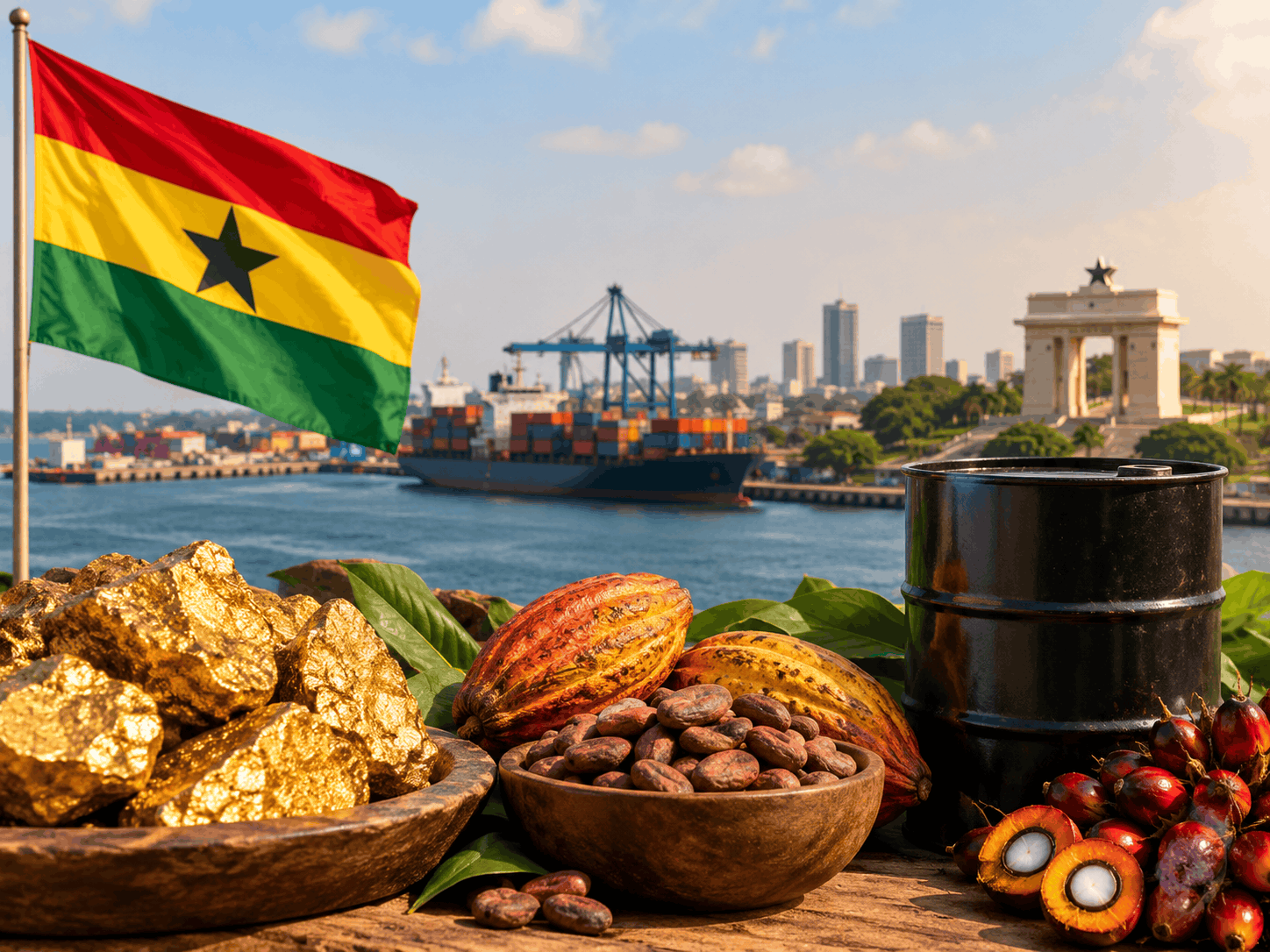
Kenya was involved in early AfCFTA trading initiatives, including shipments to Ghana under the Guided Trade Initiative. For businesses, the agreement offers a framework for exploring markets beyond their immediate regional blocs.
The benefits depend on implementation. Companies must establish whether the relevant countries are trading under the applicable arrangements, whether their products meet the rules of origin and what customs and regulatory procedures apply.
AfCFTA can create new opportunities for African manufacturers, food processors, agricultural exporters and service providers. It does not remove every barrier to trade, and it does not guarantee that a product will be competitive in a new market.
European Union and United Kingdom
Kenya has an Economic Partnership Agreement with the European Union that entered into force in July 2024. The agreement provides for duty-free, quota-free access to the EU market for qualifying Kenyan goods, while Kenya's commitments on access for EU products are phased in under the agreement.
This is particularly relevant to agricultural exporters, including businesses selling flowers, vegetables and fruit.
Kenya also has a separate trade agreement with the United Kingdom, which took effect in 2021. Exporters should check the rules applicable to their products and the current requirements of their destination market before relying on a preference.
United States
The United States is an important market for Kenyan clothing exports. AGOA has been a major part of that trade, alongside the broader commercial relationship between the two countries.
The programme's legal status and duration have changed over time. Businesses should confirm the latest extension and Kenya's eligibility against official US government records. The same applies to any talks on a broader bilateral trade or investment arrangement.
For businesses, the lesson is to treat trade preferences as part of a market-entry calculation, not as a permanent guarantee. A company planning to invest in production for export should understand the current rules and consider what could happen if those rules change.
How goods move through Kenya
In this section
The Port of Mombasa is the principal seaport serving Kenya and an important gateway for neighbouring countries.
Kenya's transport network connects its domestic market with neighbouring countries and overseas destinations. The Port of Mombasa, the Northern Corridor, Nairobi's airport and inland transport facilities all play a part.
Mombasa port
The Port of Mombasa is the principal seaport serving Kenya and an important gateway for neighbouring countries. It handles imports for the domestic market as well as transit cargo moving to destinations inland.
The Kenya Ports Authority reported cargo throughput of approximately 45.45 million tonnes in 2025, alongside container traffic of about 2.11 million twenty-foot equivalent units (TEUs).
Transit cargo links the port to Uganda, Rwanda, South Sudan, Burundi, the Democratic Republic of Congo and other regional markets.
Mombasa competes with other regional ports, including Dar es Salaam in Tanzania. For importers and exporters, the choice of route can depend on freight charges, shipping schedules, border procedures, congestion and the time required to clear goods.
The Northern Corridor
The Northern Corridor connects Mombasa with Nairobi and inland markets, including Uganda and destinations farther into the region.
Road transport remains important for moving goods beyond the port. Rail services, inland container facilities and customs systems also support cargo movement.
Kenya's Standard Gauge Railway operates between Mombasa and Nairobi and extends to Naivasha. The line has helped move freight inland, but it does not currently provide a continuous railway route from Mombasa into Uganda. Cargo travelling farther into the region generally requires additional transport arrangements.
The corridor's performance matters to businesses because delays and additional handling costs can affect inventory, delivery commitments and the final price of goods.
Lamu port
Lamu port is part of the wider Lamu Port, South Sudan and Ethiopia Transport Corridor, commonly known as LAPSSET. The project envisages transport and infrastructure links connecting Kenya with neighbouring countries.
The port's first berths opened in 2021, but the wider corridor remains a long-term development project. The scale and timing of future road, rail and other infrastructure should not be assumed without checking current project updates.
For businesses, Lamu may become more relevant as infrastructure and cargo volumes develop. At present, Mombasa remains the established main gateway for much of Kenya's maritime trade.
Air freight and border procedures
Air freight is particularly important for perishable exports such as flowers and fresh vegetables. Nairobi's Jomo Kenyatta International Airport connects exporters to international cargo networks, helping products reach overseas buyers within commercially viable timeframes.
Kenya also operates one-stop border posts with neighbouring countries. These facilities are designed to bring relevant border-clearance procedures together, reducing the need for separate stops for each country's authorities.
The actual time required to clear goods can still vary with congestion, documentation, inspections and the type of cargo being transported. Businesses should build these uncertainties into delivery schedules rather than assume that a regional route will always be quick.
Sectors with room to grow
In this section
The market has also supported businesses offering digital lending, savings, insurance and payment services.
Kenya's existing industries point to several areas where new investment, stronger partnerships and additional processing could create commercial opportunities.
Mobile money and financial technology
Kenya's mobile-money sector developed rapidly following the launch of Safaricom's M-Pesa in 2007. Mobile money has become an important part of everyday payments, allowing users to transfer funds, pay merchants and access other financial services.
The market has also supported businesses offering digital lending, savings, insurance and payment services. Nairobi's technology sector provides a base for companies developing products for Kenya and other African markets.
For foreign companies, opportunities may include technology partnerships, payment infrastructure, merchant services and products designed for customers who are underserved by conventional banking.
Success depends on local customer needs, licensing, consumer protection, competition and the commercial arrangements with payment providers. A company entering this market needs to understand how its product fits into existing financial habits and infrastructure.
Clean energy and data centres
Kenya has substantial geothermal resources, particularly around the Rift Valley, and also generates electricity from hydro, wind and solar sources.
Geothermal power can provide a relatively stable source of electricity compared with weather-dependent generation. It is part of the reason Kenya attracts interest from businesses looking for lower-carbon power options.
In 2024, Microsoft and G42 announced plans for a data-centre project in Kenya involving geothermal energy. An announced plan is not the same as a completed investment, and the project's capacity and timeline depend on how it progresses.
Opportunities in this sector may extend to power infrastructure, cooling systems, digital services, connectivity and specialised construction. They also depend on electricity costs, grid capacity, water availability, regulation and the scale of demand.
Agro-processing and higher-value farming
Kenya's agricultural exports offer opportunities beyond growing and exporting raw products.
Tea can be blended and packaged locally. Coffee can be roasted and branded for consumer markets. Avocados and nuts can be processed into products with longer shelf lives, while dairy, meat and other agricultural products can supply domestic consumers and regional buyers.
These activities require investment in equipment, quality control, storage, packaging and distribution. They also need reliable access to raw materials and buyers willing to pay for processed products.
Agro-processing is not automatically more profitable than exporting raw produce. The business case depends on production costs, processing yields, market prices, food-safety requirements and the ability to maintain consistent quality.
Manufacturing for East Africa
Kenya's manufacturers have access to a substantial regional market, particularly through established trade links with EAC partners.
Products such as medicines, building materials, packaged foods, beverages, plastics, steel goods and vehicle components may offer opportunities for domestic production and regional distribution.
Companies considering manufacturing in Kenya should examine the cost of electricity, machinery, labour, finance, transport and imported inputs. They should also establish whether their products can compete with imports and whether preferential trade arrangements apply in their intended markets.
The size of the regional market can be attractive, but businesses still need country-specific research. Demand, purchasing power, product standards and distribution arrangements differ across the region.
Kenya's wildlife destinations, coastline and urban centres support a wide range of tourism businesses. Accommodation, transport, guiding, food services and visitor experiences all contribute to the sector.
Nairobi also hosts international organisations and regional offices, supporting demand for business travel, meetings and conferences.
For investors, opportunities may include specialist accommodation, event services, transport, destination management and locally owned visitor experiences. These businesses need to account for seasonality, operating costs, market access and changes in international travel demand.
Tourism statistics should distinguish between visitor arrivals and the amount visitors spend. An increase in arrivals does not necessarily produce the same percentage increase in tourism revenue.
Business services and remote work
Kenya's English-speaking workforce, digital infrastructure and established professional-services sector support companies providing technology, customer support, consulting and other services.
Nairobi is home to businesses serving clients across Africa and international markets. This creates opportunities for software development, business-process services, creative work and professional support.
Companies considering Kenya as a base should examine staff availability, salary expectations, taxation, employment law, connectivity and the requirements of their target customers.
The opportunity is not limited to international companies setting up offices. Kenyan firms can also partner with businesses elsewhere in Africa that need local knowledge, technical capacity or access to regional customers.
Doing business in Kenya
In this section
Kenya allows foreign investment across many sectors, but the applicable rules are not identical for every industry.
Kenya offers opportunities for local and foreign businesses, but market entry requires attention to registration, tax, licensing, employment and sector-specific rules.
Registering a company
Company registration is handled through Kenya's Business Registration Service, with online government services available through eCitizen.
Businesses need to identify the appropriate legal structure and complete the registration and tax procedures applicable to their activities. Depending on the business, additional registrations may be required for employment, social contributions, county permits or regulated operations.
The exact requirements vary according to the company structure and its activities. Before setting up, founders should check current guidance from the Business Registration Service and the Kenya Revenue Authority rather than rely on a general checklist alone.
Foreign ownership and investment
Kenya allows foreign investment across many sectors, but the applicable rules are not identical for every industry.
Some activities are subject to ownership restrictions, licensing conditions or other requirements. Land ownership, telecommunications, insurance and security-related services can involve specific legal considerations.
Foreign investors should confirm the rules that apply to their proposed activity before committing funds. Kenya Investment Authority, commonly known as KenInvest, can provide information and support to eligible investors.
An investment certificate or registration with an investment-promotion agency should not be assumed to replace sector licences, work permits or other statutory requirements.
Work permits and employment
Foreign nationals working in Kenya may require an appropriate work permit or other authorisation, depending on their circumstances and the activity they intend to undertake.
Employers should check the current permit categories and application requirements with the Department of Immigration Services. They should also review employment law, payroll obligations and applicable social-protection contributions before hiring staff.
Businesses planning to recruit internationally need to account for processing times and documentation requirements in their launch plans.
Currency and moving money
The Kenyan shilling is Kenya's national currency. Its exchange rate can affect import costs, foreign-currency obligations, export receipts and the value of profits converted into another currency.
The shilling weakened substantially against the US dollar in early 2024 before recovering. Businesses dealing in foreign currency should use dated Central Bank of Kenya data when assessing exchange-rate movements and should not assume that favourable conditions will continue.
International transfers, dividends and other payments must also comply with applicable banking, tax and reporting requirements. Companies should obtain advice on their particular arrangements rather than assume that every transfer is unrestricted.
Tax and operating costs
Kenya's tax system includes corporate income tax, value-added tax and other obligations that vary with the business and its activities.
The standard resident corporate income tax rate is generally 30%, and the standard VAT rate is 16%, but exemptions, incentives, special regimes and other provisions can affect the amount payable. Digital businesses may also face specific tax rules.
Because finance legislation and administrative guidance can change, businesses should confirm current rates and obligations with the Kenya Revenue Authority or a qualified local adviser.
Operating costs also vary by sector and location. Electricity, imported equipment, transport, rent, finance and staff costs all influence the commercial case for setting up in Kenya.
Where businesses can seek help
Several public institutions support different parts of the business process:
KenInvest: information and assistance for eligible investors.
Export Processing Zones Authority: information on export-processing zones and their applicable incentives.
Special Economic Zones Authority: information on designated special economic zones.
Kenya Export Promotion and Branding Agency: support and information for exporters.
Kenya Trade Network Agency: the electronic single window used for import and export documentation.
Kenya Revenue Authority: tax registration, filing requirements and current tax guidance.
Business Registration Service: company registration and related procedures.
These agencies serve different purposes. Businesses should approach the institution responsible for the specific service or approval they need.
Risks and trade-offs
In this section
A rise in oil prices can increase the cost of moving goods, running machinery and supplying food to consumers.
Kenya's commercial opportunities come with costs and uncertainties that businesses should understand before entering the market.
Debt and tax policy
Public debt and the cost of servicing it constrain government spending choices. Pressure to raise revenue can lead to changes in taxes, levies and fiscal policy.
The 2024 protests demonstrated how strongly proposed tax changes can affect public sentiment. Businesses should follow annual finance legislation and budget announcements, especially if their margins depend on tax treatment or government contracts.
External shocks and fuel costs
Kenya imports petroleum products, leaving transport and many production activities exposed to international fuel prices.
A rise in oil prices can increase the cost of moving goods, running machinery and supplying food to consumers. These pressures can feed into inflation and household spending.
Businesses with significant transport or imported-input costs should test their budgets against changes in fuel prices and exchange rates, using the latest official inflation and fuel-price figures.
Weather and agricultural production
Agriculture remains exposed to rainfall patterns, droughts and other weather-related risks. Poor growing conditions can affect crop output, livestock, food prices and export supply.
Exporters must also manage international standards, storage and the quality requirements of buyers. Businesses investing in agriculture or food processing should consider sourcing from multiple locations, appropriate storage and other ways of managing supply disruptions.
Jobs and household purchasing power
Kenya has a large working-age population, but the availability of secure, formal employment remains a challenge. Informal work accounts for a substantial share of employment.
This matters to businesses in two ways. The labour market offers a large pool of potential workers, but income levels and job security affect consumer demand. Companies selling to households need to understand what customers can afford, not just how many people live in a market.
Employment figures should be interpreted carefully. Formal jobs created, total employment, informal employment and unemployment measure different things.
Regional competition and market access
Kenyan manufacturers rely on customers in neighbouring markets, but those markets are also served by local producers and suppliers from other countries.
Changes in border procedures, regional trade policy, security conditions or customer demand can affect sales and delivery schedules. Exporters also face risks when their business depends heavily on one destination or a particular trade preference.
Companies should assess the competitive position of their products in each target market rather than assume that regional proximity guarantees sales.
Security and location
Security conditions vary across Kenya. Some areas, particularly parts of the north-east and locations near the Somali border, have faced attacks by the militant group al-Shabaab.
Businesses should assess risks according to their intended location, staff movements, transport routes and operating activities. General country-level descriptions are not a substitute for current, location-specific advice.
What Kenya means for an African business
In this section
A national import total can indicate demand, but it cannot tell a supplier which company is likely to place an order.
Kenya can be a market in its own right and a base for reaching customers elsewhere in East Africa.
Its domestic market includes major urban centres such as Nairobi and Mombasa, a large agricultural sector and businesses serving consumers across different income levels. Its financial, technology and professional-services industries also support companies that need regional expertise.
For a business elsewhere in Africa, three opportunities are worth examining.
1. Supply products Kenya imports
Kenya's import demand includes fuel, machinery, edible oils, steel, vehicles and food products. African suppliers may be able to compete in selected categories, particularly where they can offer reliable quality, competitive prices and manageable delivery costs.
The next step is to identify the specific buyers and understand their purchasing requirements. A national import total can indicate demand, but it cannot tell a supplier which company is likely to place an order.
Businesses should also confirm the relevant tariffs, rules of origin, standards and documentation requirements before quoting a price.
2. Use Kenya as a regional base
Nairobi's business services, transport links and established commercial networks can make it a useful location for companies serving East African markets.
Mombasa provides maritime access, while road, rail and air connections support movement within the region and beyond. Kenyan distributors, professional-services firms and logistics companies may also help businesses understand local requirements and reach customers.
However, a company should not assume that establishing itself in Kenya automatically grants unrestricted access to every neighbouring market. Each destination has its own regulatory requirements, commercial conditions and customer expectations.
3. Partner with Kenyan businesses
Kenyan firms have experience in areas including mobile money, agricultural exports, regional logistics, finance and business services.
A company in West Africa exploring digital payments, for example, may find value in speaking with Kenyan technology or financial-services businesses. A Southern African agricultural producer may benefit from learning how Kenyan exporters manage fresh produce supply chains and international distribution.
Partnerships can reduce the time needed to understand a market, but they still require due diligence. Businesses should establish who their prospective partners serve, how they operate, what licences they hold where applicable and whether their commercial interests align.
What to consider before entering
The main considerations are costs, regulation, competition and the ability to reach customers.
Businesses should budget for taxes, transport, imported inputs and financing. They should confirm foreign-ownership and licensing requirements where relevant, research the market beyond headline population figures and understand how products will reach buyers.
Kenya's public finances and policy decisions also deserve attention, particularly for businesses making long-term investments or relying on government contracts. The approach to market entry should account for potential changes in costs and regulations rather than assuming that present conditions will remain constant.
For many companies, the most useful first step is a focused market assessment: identify the buyers, estimate demand, map the competition, understand the rules and determine whether local distribution or a partnership is necessary.
Kenya offers access to a sizeable domestic market and established links across the region. The commercial opportunity depends on finding the right customers and building a plan that fits the conditions of the specific industry.
Looking ahead
Kenya's economy rests on several sources of activity: agricultural exports, manufacturing, services, regional trade and money sent home by its diaspora. Its ports, transport routes and commercial networks connect these activities to markets across Africa and beyond.
The country also faces substantial challenges. Public debt limits fiscal choices, imported fuel exposes businesses to external price movements, and employment and household purchasing power remain important concerns.
For African businesses, understanding Kenya means looking at both sides. The country offers established industries, experienced commercial partners and access to regional markets, but those advantages need to be weighed against costs, regulations and competition.
The next profile in Africa's Markets, Country by Country is Rwanda, a smaller East African economy whose approach to investment, business regulation and regional connectivity offers a different set of opportunities and considerations.