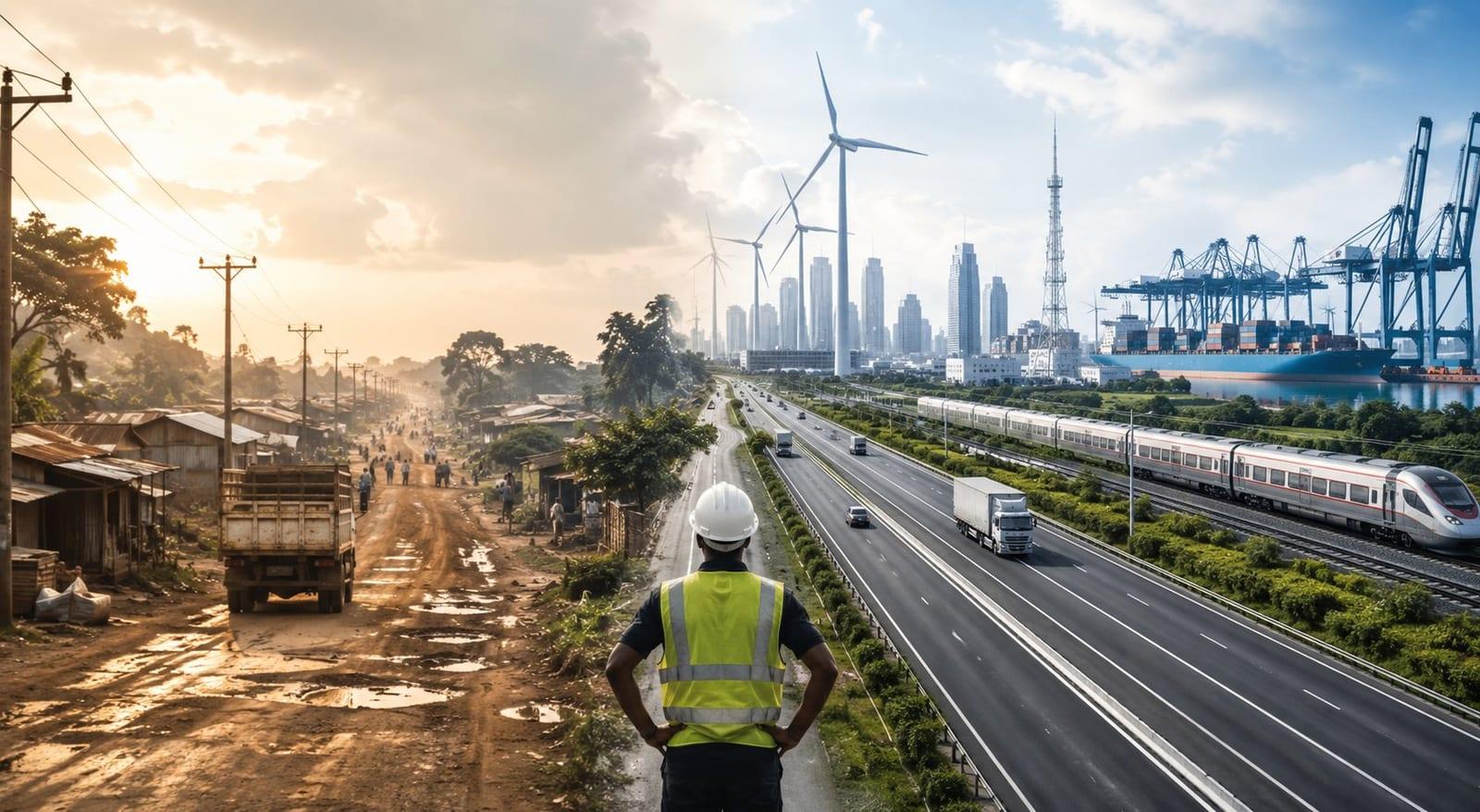
For a long time, and decades, if we are to bring numbers to it. Nigeria embodied one of the biggest contradictions in the global economy. It was one of Africa's largest oil producers, yet it imported much of the petrol, diesel and aviation fuel it consumed.
Crude oil left Nigerian ports every day. The refining, manufacturing and much of the economic value happened elsewhere. Finished fuel was then sold back into Nigeria at a premium. The country owned the resource. Others captured much of the value.
That pattern extends far beyond Nigeria. Across Africa, crude oil, cocoa, coffee, cotton, copper, lithium, bauxite and timber are exported in raw form before returning as products worth many times more. We call these economic clownery at Ria's Colony, because possessing the resources is not enough, we'd need to move to processing them to become richer.
In simple terms, possessing resources creates opportunity, while processing them creates prosperity.
The refinery is bigger than the refinery
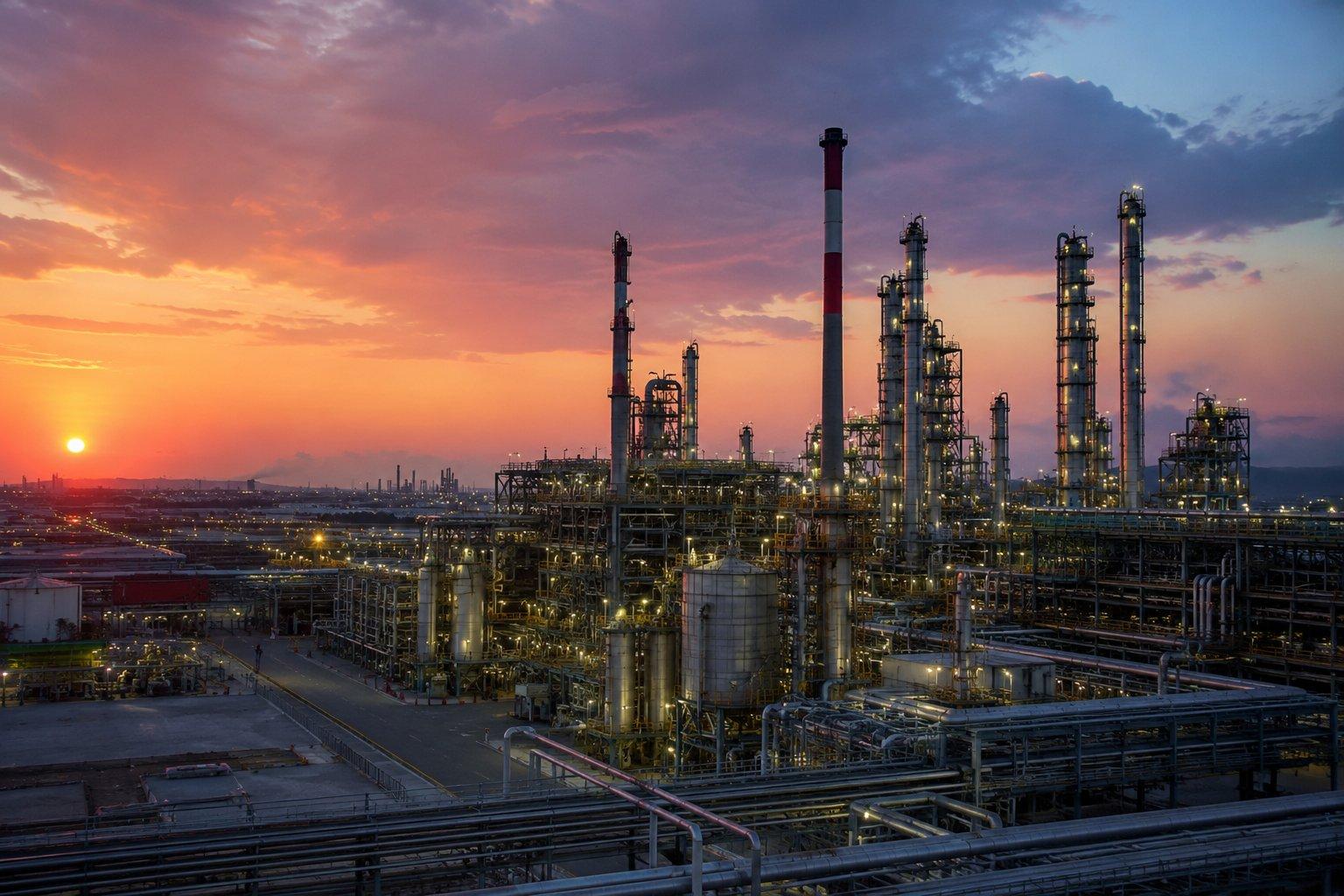
When the Dangote Refinery reached its planned processing capacity of around 650,000 barrels per day in early 2026, it became the world's largest single-train refinery. The headlines focused on its size. However, we believe that the more important story was what it represented.
At a scale rarely seen on the continent, the refinery demonstrated that an African-owned industrial project could keep a much larger share of the value chain within Africa. Instead of exporting crude and importing refined fuel, Nigeria could increasingly refine its own oil into petrol, diesel, jet fuel and petrochemicals.
The refinery does not end Nigeria's dependence on crude exports overnight. Nor does it solve every challenge facing the country's energy sector. What it changes is where value is created, and Africa needed to take a step in the right direction of creating value from her resources.
Value is created between the mine and the marketplace
It's important to reiterate that owning valuable resources isn't enough to create wealth. And it would be dangerous or misleading to assume wealth comes from owning valuable resources, and history supports us; Australia exports iron ore. Germany exports high-value engineering. Switzerland exports pharmaceuticals. South Korea exports electronics. Japan exports automobiles.
None of these countries became prosperous simply because they possessed raw materials. They became prosperous because they built industries that transformed inputs into products the world was willing to pay more for. Economists call this moving up the value chain.
For Example:
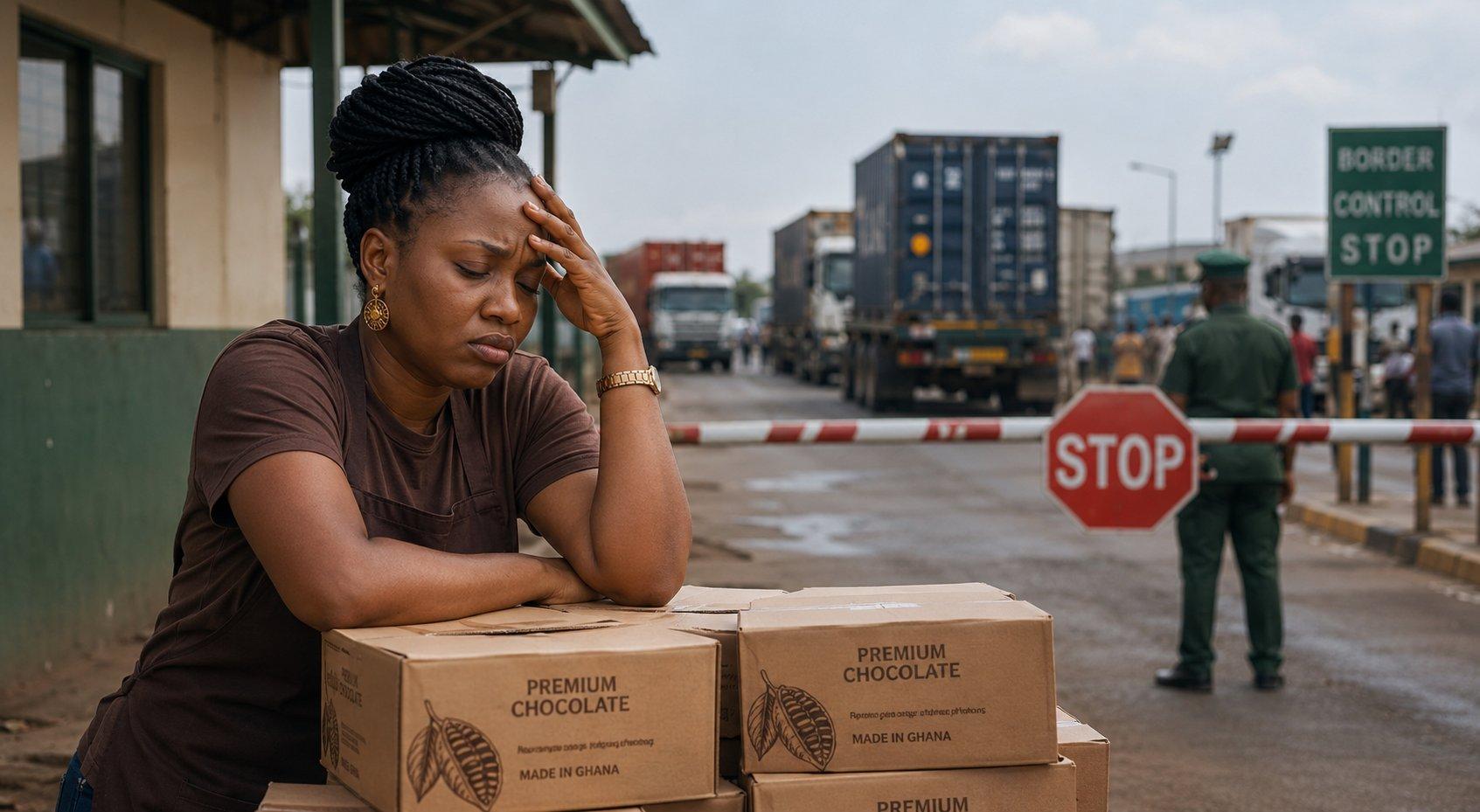
A tonne of cocoa beans sold raw earns one price. But when it is processed into cocoa butter, cocoa powder and premium chocolate, its value multiplies several times over.
The same principle applies to cotton becoming clothing, lithium becoming battery cells, copper becoming electrical equipment, timber becoming furniture. The resource rarely generates the greatest value, processing finished goods does.
Every factory creates more than products
In the same vein, manufacturing is often discussed as though it simply produces goods, but it produces something larger. A refinery needs engineers, technicians, software systems, maintenance companies, transport operators, laboratories, insurers, financial services, security firms and logistics providers.
It also affects the nations educational system, universities would begin training different skills that have increasing value in their culture/society. Research institutions are not left out, as this would lead to them finding new problems worth solving. Because of all of these, local suppliers will emerge as demand6/supply increases. Small businesses would have an opportunity to grow around larger industries.
All of the activities manufacturing or industrialization brings, would lead to acquisition of more knowledge in the area of manufacturing, that way, the country becomes known as the hub for learning or a leader in that niche.
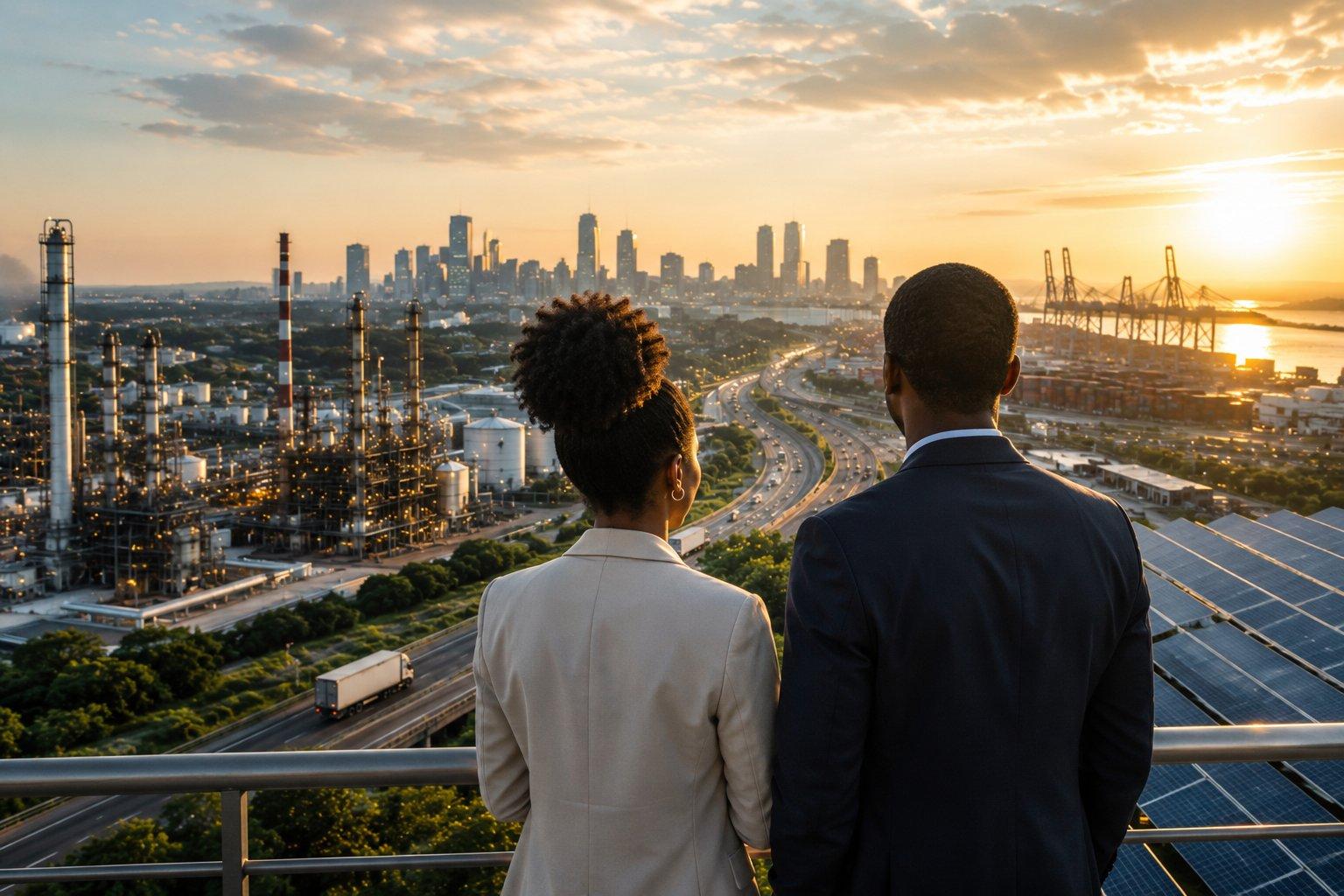
This goes to sure how industrialization creates ecosystems. That is why one successful factory often leads to many others. Economists sometimes describe this as the manufacturing multiplier. A single industrial project creates demand for transport, finance, construction, software, education, maintenance, research and countless other services. The economic impact rarely stops at the factory gate.
Africa already has the ingredients
Africa possesses many of the materials driving the global economy. Foe example;
The Democratic Republic of Congo holds close to half the world's known cobalt reserves. Zimbabwe is Africa's top lithium producer and holds the continent's largest known lithium reserves. Guinea is Africa's leading bauxite producer, accounting for close to a quarter of the world's proven reserves. Ivory Coast and Ghana together produce the majority of the world's cocoa. Zambia remains one of Africa's largest copper producers, second only to the Democratic Republic of Congo.
Yet much of the processing still happens elsewhere. That means many of the highest paying jobs, advanced technologies and export revenues also remain elsewhere.
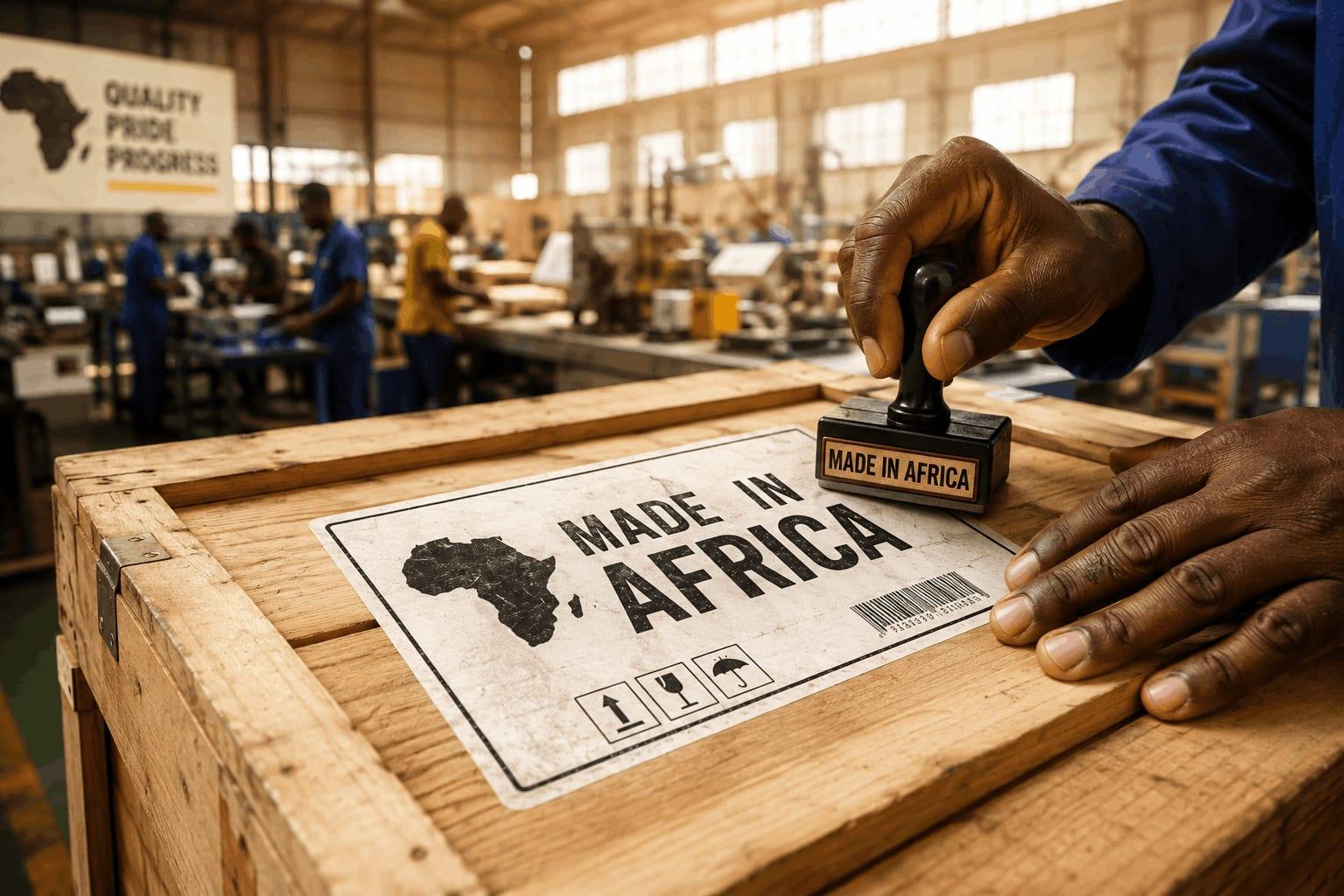
Africa's comparative advantage is no longer just what it can extract. Increasingly, it will be measured by what it can transform.
This is not about processing everything
No country can manufacture every product competitively. Nor should it try. However, industrial policy works best when countries build around areas where they have genuine advantages. Some nations may become leaders in battery materials. Others in pharmaceuticals. Others in textiles, food processing, chemicals or renewable energy equipment.
The objective is not economic self-sufficiency. It is greater participation in the parts of the value chain where more value is created. That is a very different goal and one that Africa needs to own and achieve.
Regional value chains make the opportunity bigger
Processing also becomes more practical when countries stop thinking only within national borders. A battery manufactured in Africa does not require every input to come from one country. Lithium could come from Zimbabwe. Cobalt from the Democratic Republic of Congo. Graphite from Mozambique. Copper from Zambia. Assembly could happen in Kenya, South Africa or Nigeria.
The African Continental Free Trade Area, which links 54 countries into a single market, makes these kinds of regional supply chains increasingly possible.
No single country has every advantage, but if we work together, Our continent, Africa has most of them. We can become a continent that is almost self sufficient.
In conclusion...
In this section
The countries that will prosper over the next generation are unlikely to be those that simply possess more resources.
The Dangote Refinery matters because it challenges an old assumption. For years, Africa's role in the global economy was largely to extract. Others manufactured. Others designed. Others branded. Others captured much of the value.
But the Dangote refinery is beginning to change that model.
The refinery should not be the destination though for Africa. Rather, it should stand as a signal, a reminder that African businesses can build globally significant industrial projects, process more of the continent's own resources, and retain a greater share of the value they create.
This is important because it demonstrates what becomes possible when Africa begins processing more of what it already owns.
Whether that model spreads to cocoa, lithium, copper, agriculture, pharmaceuticals or renewable energy will depend on policy, investment, infrastructure and leadership. But the principle is already clear;
Wealth is rarely created at the point of extraction. It is created through everything that happens afterwards.
The countries that will prosper over the next generation are unlikely to be those that simply possess more resources. They are more likely to be the ones that transform those resources into products, technologies and industries the world cannot do without.
Sources and further reading
- Dangote Group operational updates and investor communications
- International Energy Agency
- African Development Bank
- African Continental Free Trade Area Secretariat
- UN Industrial Development Organization
- World Bank, manufacturing, industrialization and global value chains research
- OECD, global value chain development reports
- African Green Minerals Observatory, mineral reserve and production data
This is the second in a series looking at how Africa is rebuilding itself from the ground up. Next: why infrastructure changes everything. Stay with Ria's Colony for the rest of the story.