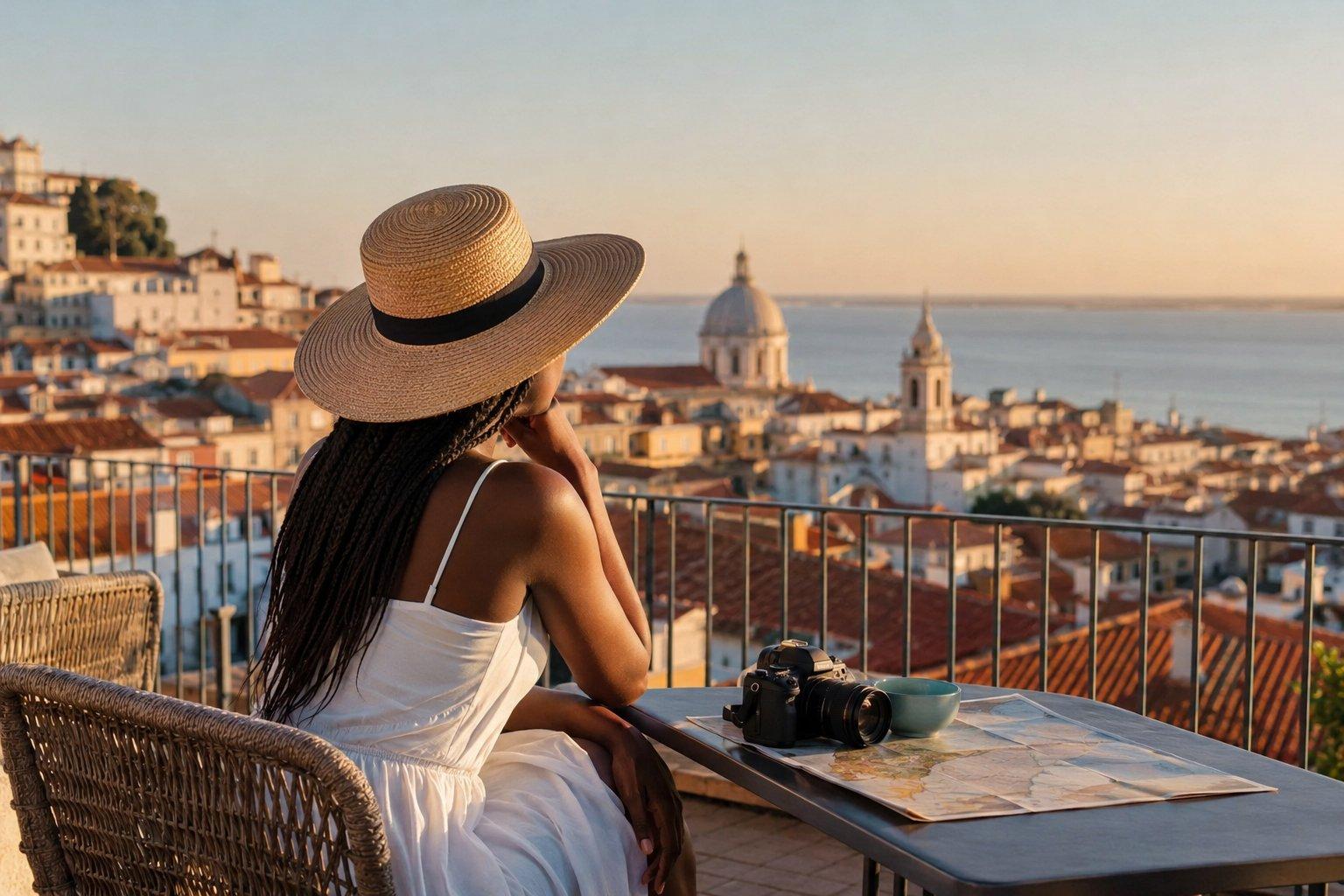
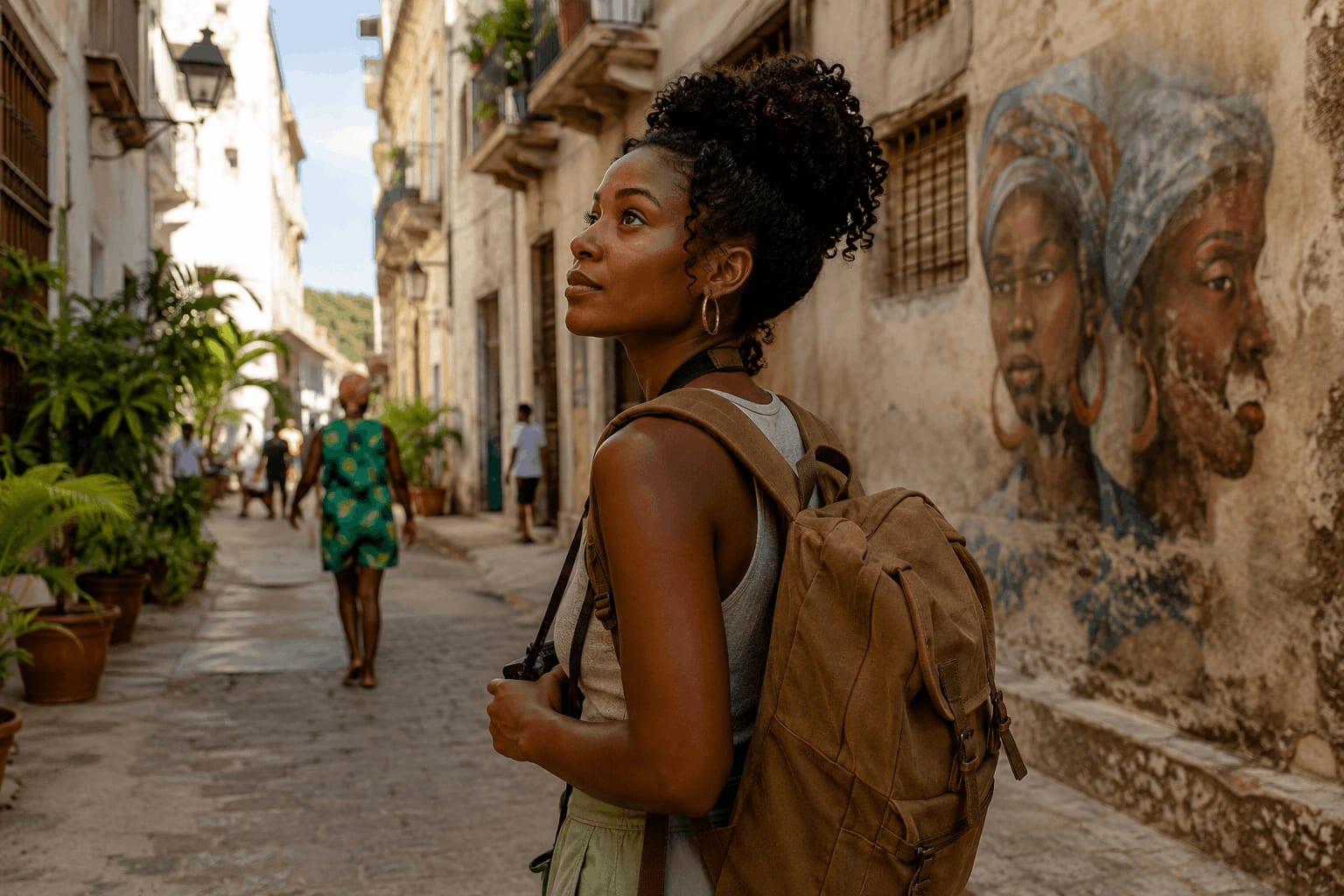
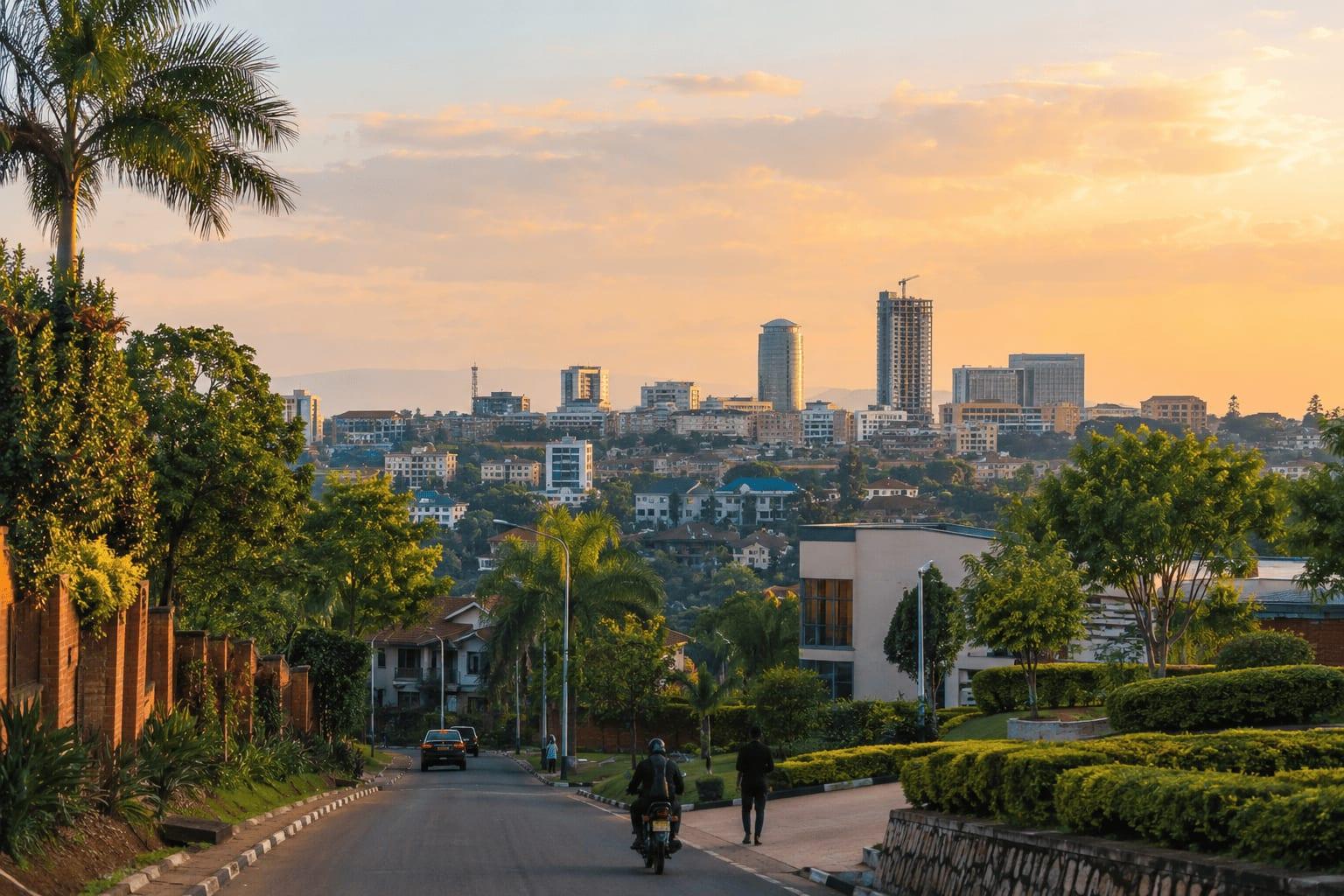
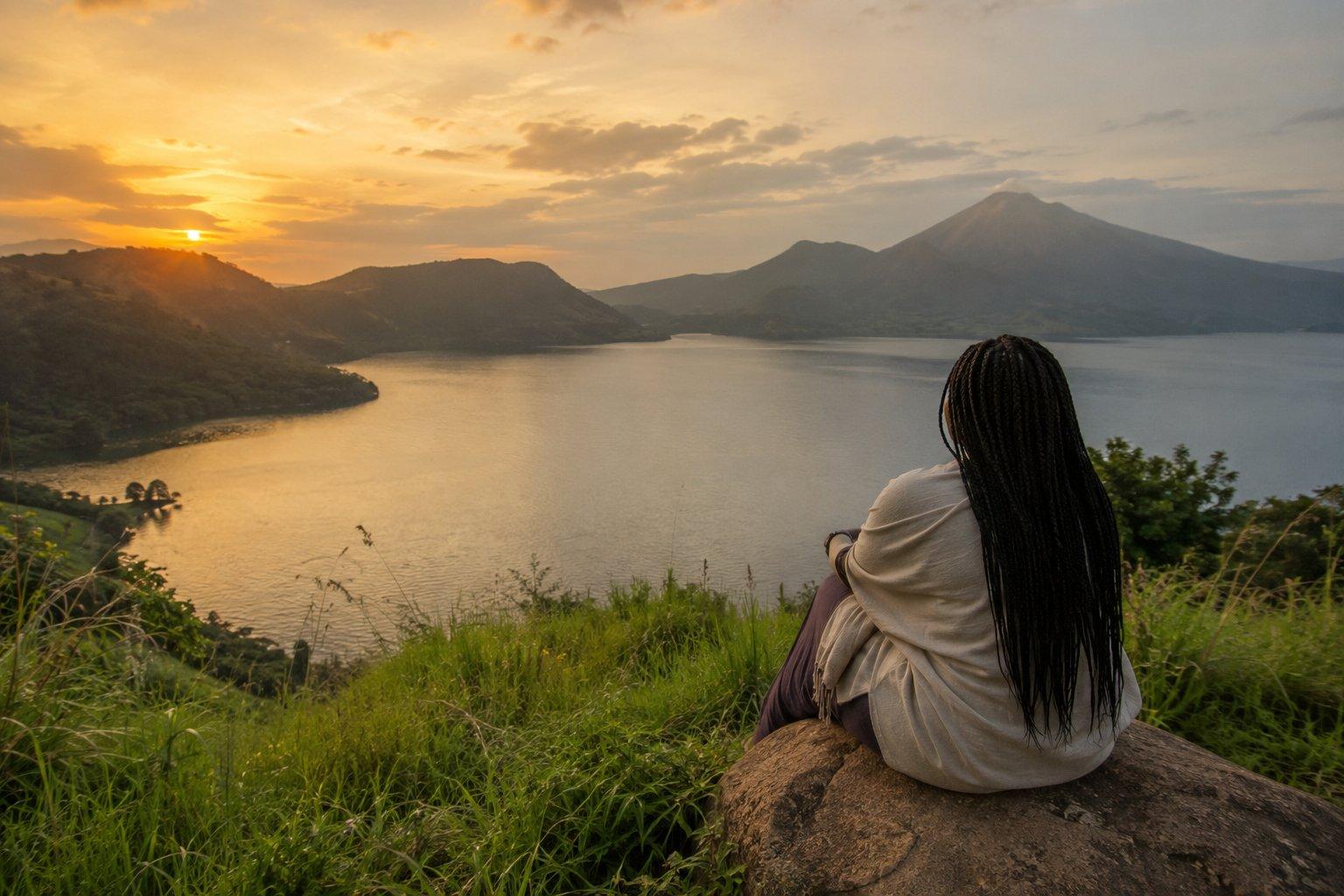
Skift Research recently put numbers to something anyone who has ever planned a family vacation, a girls' getaway, or even a work conference has probably noticed firsthand. Women make 82 percent of all travel decisions globally. They are not simply influencing those decisions. They are making them. They choose the destination, settle on the dates, compare accommodation options, decide which experiences make it into the itinerary, and quietly leave others behind.
The same research found that women already account for 64 percent of travelers worldwide. By 2028, they are expected to control 75 percent of discretionary spending. Put those numbers together, and a much bigger story begins to emerge. Women are not just traveling more. They are increasingly shaping where the travel industry goes next.
What those numbers really tell us
In this section
The Adventure Travel Trade Association reports a 230 percent increase in travel companies built specifically around women travelers.
That figure of 82 percent is about far more than booking a flight or reserving a hotel room. It represents dozens of decisions made over days or even weeks, many of which go unnoticed by everyone except the person making them. Which city deserves a closer look and which one gets crossed off the list. Which hotel photos inspire confidence and which simply look attractive. Whether a destination feels safe enough to recommend to a friend traveling alone. Whether the itinerary leaves enough room to enjoy the trip instead of rushing from one attraction to the next.
Safety, in particular, is not just an emotional consideration. It has become something travelers actively measure, compare, and use when deciding where to go.
A 2026 analysis of the Numbeo Crime and Safety Index, created specifically with solo female travelers in mind, ranked Taipei as the safest destination. The city scored highly because women reported feeling comfortable walking alone during both the day and at night, while concerns about robbery or physical attacks remained exceptionally low.
Iceland continues to tell a similar story. It has held the title of the world's safest country on the Global Peace Index for fourteen consecutive years. Women visiting the country often describe something many travelers rarely experience elsewhere: the freedom to take a late-night walk without constantly assessing potential risks.
Vienna earns similar praise for reasons that are equally practical. The city combines walkable neighborhoods, reliable rail connections, and an abundance of museums, palaces, and cafés, making it possible to enjoy a full itinerary without every day turning into a logistical exercise.
These details may seem small on their own, but together they often determine whether a destination is chosen at all. A tourism board can produce a beautiful advertising campaign, but if it does not answer the practical questions women are already asking, questions about safety, ease of getting around, and whether the trip will genuinely be worth the planning it requires, the campaign may never influence the final decision.
The industry's response reflects that reality.
The Adventure Travel Trade Association reports a 230 percent increase in travel companies built specifically around women travelers. Demand has grown alongside that supply. Responsible Travel has recorded an 18 percent increase in interest for its women-only holidays over the past three years, while Intrepid Travel saw bookings for its Women's Expeditions rise by 59 percent in 2024 compared with the previous year.
What these companies are selling is not simply another destination. They are offering confidence. Traveling with a carefully vetted group and an experienced local host gives many women the reassurance to explore places they might otherwise hesitate to visit alone. That sense of security is one of the reasons this segment continues to grow instead of fading into a niche corner of the industry.
Why this changes who destinations should be speaking to
In this section
Interestingly, the questions women ask before booking are remarkably consistent across countries.
For years, travel marketing often treated women as a niche audience. Solo female travel became its own category. Women-only tours became a specialty product. Even family travel frequently portrayed women as helpful planners rather than the people making the final decision.
The data suggests that perspective needs updating.
Women are not simply one segment of the travel market. In many ways, they are the market.
That distinction changes how destinations should communicate. A country guide that answers the questions women are genuinely asking, what it feels like to walk through a neighborhood alone, local etiquette, the safest way to get from the airport after dark, or how easy public transport is to navigate, often provides more value than a polished campaign that never moves beyond beautiful imagery.
Interestingly, the questions women ask before booking are remarkably consistent across countries.
The destinations that continue to stand out are rarely chosen because they are beautiful alone or because they offer the cheapest flights. They succeed because they remove unnecessary friction. They make it easier to move around confidently and predictably, whether someone is traveling with friends or entirely on her own.
That is why countries such as Japan, Portugal, Spain, and Costa Rica consistently appear on lists of recommended destinations for solo women. They combine strong personal safety records with dependable infrastructure, welcoming local cultures, and reliable support when something unexpected happens.
In the end, context often matters more than aesthetics alone. The person making the decision is not buying a photograph. She is choosing a place she will spend days or weeks living in, and she wants to understand what that experience will actually feel like.
What this looks like from the traveler's perspective
In this section
People increasingly look for context from others who have asked the same questions and navigated the same uncertainties before them.
If you are the person making these decisions, and the data suggests there is a good chance you are, none of this is likely to feel surprising.
You have probably spent evenings comparing three different cities, trying to decide which one feels right rather than simply which one looks best online.
You have probably searched for reviews written specifically by other women because their experiences answered questions that general reviews often overlooked. You wanted to know whether a neighborhood felt safe after dark, whether eating alone attracted unwanted attention, whether public transport was reliable, or whether local customs around dress would affect how comfortable you felt exploring on your own.
That instinct is not unusual. It reflects how many travel decisions are actually made today.
People increasingly look for context from others who have asked the same questions and navigated the same uncertainties before them.
That is exactly why Aerial View exists.
It is built for the traveler who is already making the decision and wants more than a list of attractions. It exists for someone who wants a destination explained with the kind of depth, context, and lived perspective that helps turn uncertainty into confidence. We have some travel guides for you, visit the resources page, and if you're a tourist or have a tourist attraction in Africa, subscribe so you do not miss out on opportunities, programs and notes YOU need.
To know when it drops, subscribe to our newsletter below
Sources
-
Skift Research, The Woman Traveler: Key Data and Insights
-
InsureMyTrip, The 10 Safest Cities for Solo Female Travelers in 2026
-
Travel Off Path, The Best Countries for Solo Female Travelers in 2026
-
CEOWORLD Magazine, Where Women Travel Safest in 2026
-
National Geographic, How Women-Only Tours Are Reshaping the Way We Travel