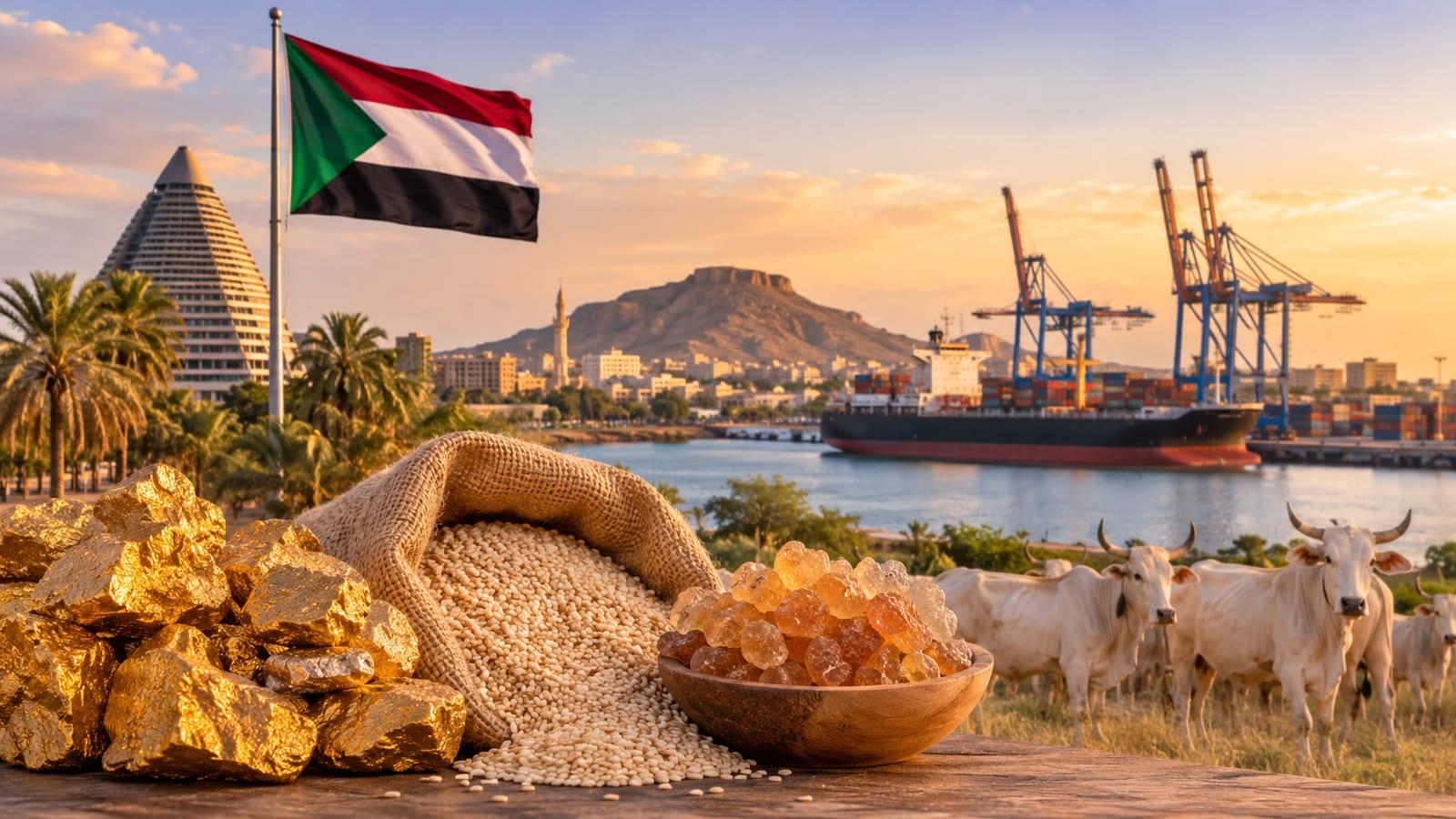
How Somalia earns, spends and trades: livestock exports to the Gulf, money sent home by the diaspora, mobile money and the dollar, Berbera, Bosaso and Mogadishu ports, debt relief, joining the EAC and the risks.
A country that spends more than it makes
In this section
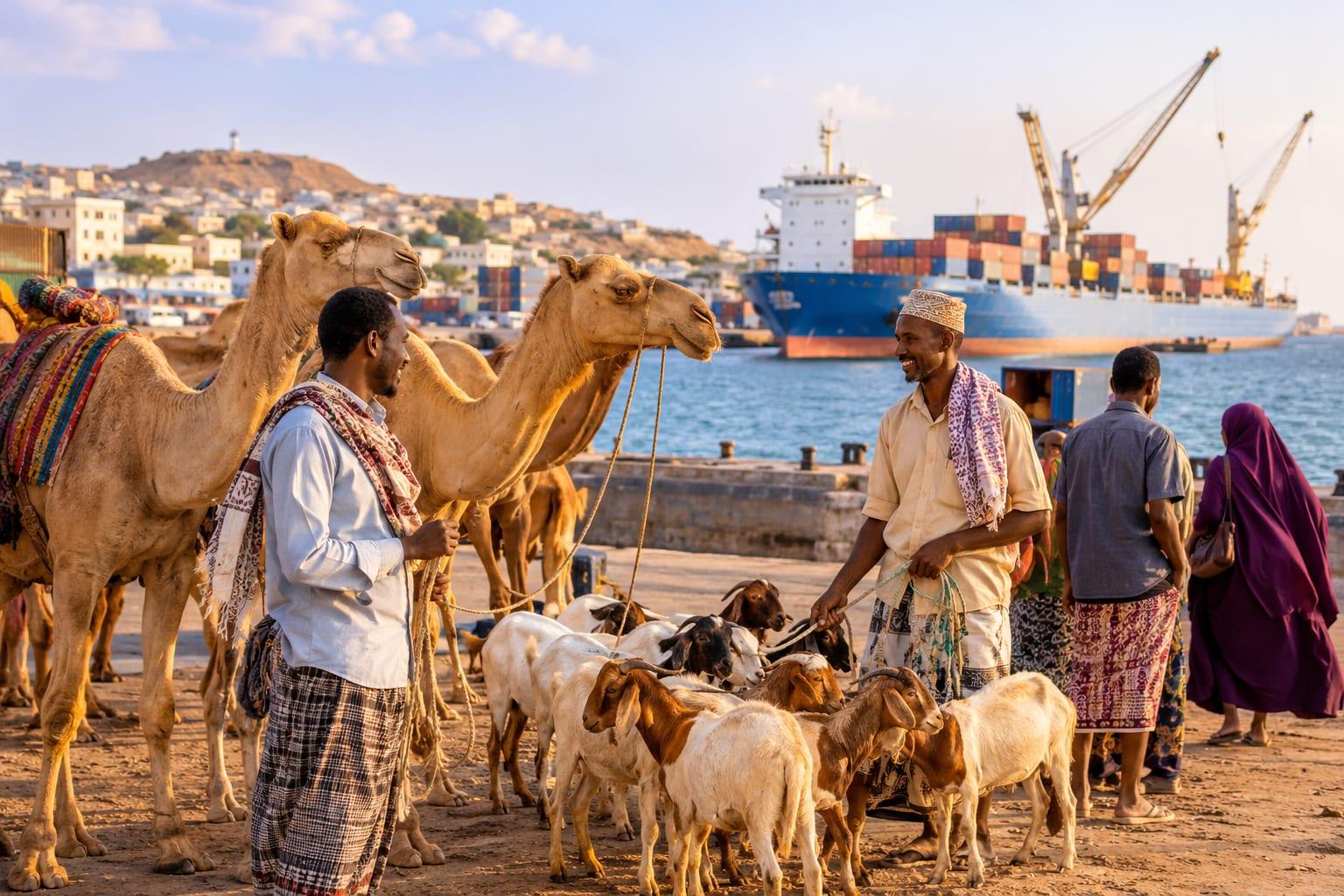
Most of these animals are shipped across the Gulf of Aden and the Red Sea to Saudi Arabia, Oman, Yemen and other Gulf markets.
In 2025, Somalia's economy produced goods and services worth about US$13.2 billion, according to the country's National Bureau of Statistics. Yet the income actually available to Somalis, known as gross national disposable income, was about US$17.3 billion, roughly 30% more. The difference is money that flows in from outside every year: transfers from Somalis living abroad, aid from donors, and other payments. Imports of goods and services equalled nearly three quarters of GDP, while exports were only about a fifth. Few economies in the world rely so heavily on money arriving from elsewhere.
That money, along with livestock sold to the Gulf, keeps the country going. Somalia's herders own an estimated 56 million sheep, goats, camels and cattle, and live animal exports earned about US$970 million in 2024, according to central bank figures reported by Ecofin Agency, more than 60% of all export earnings. Most of these animals are shipped across the Gulf of Aden and the Red Sea to Saudi Arabia, Oman, Yemen and other Gulf markets.
This is the twenty-fifth country profile in our series, Africa's Markets, Country by Country, and the fifth of its East Africa stage, after Mauritius. Somalia has rebuilt much of its economy since the collapse of its central government in 1991, through private businesses that learned to work without a functioning state. Its population is about 17 million by national statistics, while UN estimates put it nearer 20 million. In the IMF's October 2026 figures, GDP will be about US$14.8 billion in 2026, with growth of about 2.3%, held back by drought and cuts in aid.
Somalia at a glance
Measure
Figure
Period and source
Nominal GDP
US$13.2 billion (2025); about US$14.8 billion projected for 2026
National Bureau of Statistics; IMF WEO October 2026
GDP per person
US$793
2025, National Bureau of Statistics
Gross national disposable income
US$17.3 billion, about 30% above GDP
2025, National Bureau of Statistics
Real GDP growth
3.1% in 2025 (4.0% in 2024); 2.3% projected for 2026
National Bureau of Statistics; IMF, October 2026
Inflation
About 6.5%
2026 projection, IMF
Budget deficit
About 0.9% of GDP
2026 projection, IMF
Imports of goods and services
About 75% of GDP
2025, National Bureau of Statistics
Exports of goods and services
About 20% of GDP
2025, National Bureau of Statistics
Livestock exports
About US$970 million, over 60% of export earnings
2024, Central Bank of Somalia
Livestock herd
About 56 million head
Official estimates
Currency
Somali shilling, though most transactions use US dollars
Trade groups
East African Community, COMESA, IGAD, Arab League; AfCFTA (signed)
How the economy is built
In this section
Private companies built telephone networks, electricity grids, money transfer firms, airlines, ports, schools and hospitals.
Somalia's economy rests on three things: livestock and farming, money from abroad, and a lively private sector in trade, telecoms and services. Herding camels, goats, sheep and cattle is the main livelihood across much of the country, and livestock exports alone equal about 7% of GDP. In the south, between the Juba and Shabelle rivers, farmers grow sorghum, maize, sesame, bananas and fruit. The long coastline, the longest of any country in mainland Africa, supports fishing, though much of the catch is taken by foreign fleets.
After the state collapsed in 1991, Somali businesses filled the gaps. Private companies built telephone networks, electricity grids, money transfer firms, airlines, ports, schools and hospitals. Today Somalia has some of the cheapest mobile data in Africa and one of the most widely used mobile money systems in the world, with services such as Hormuud's EVC Plus used for everything from buying tea to paying rent. Most of these payments, like most prices, are in US dollars. The Somali shilling still circulates in small notes, but much of it is old or counterfeit.
The federal government has been rebuilding state institutions since 2012. A big step came in December 2023, when Somalia reached the completion point of the IMF and World Bank debt relief initiative for heavily indebted poor countries, cutting its external debt from more than 60% of GDP to a small fraction of that. That opened the way to new lending from development banks. Somalia also joined the East African Community as a full member in 2024.
Growth slowed from 4.0% in 2024 to 3.1% in 2025, according to the National Bureau of Statistics, as severe drought hit livestock sales and aid fell. The IMF expects 2.3% in 2026 and 2.7% in 2027, rising to about 4% over the medium term. The government keeps its budget close to balance, with a deficit projected at under 1% of GDP in 2026, but it collects little tax and still relies on donor grants to cover a large part of its spending. The IMF has urged it to raise more revenue at home.
Security and politics remain the biggest constraints. The armed group al-Shabaab still controls parts of central and southern Somalia and carries out attacks, including in Mogadishu, and the African Union's mission is gradually handing over to Somali forces. The relationship between the federal government and the member states, such as Puntland and Jubaland, is often tense, especially over elections and how revenue is shared. Somaliland in the north-west declared independence in 1991 and runs its own government, currency and economy, though it is not recognised by most countries. This profile focuses mainly on federal Somalia but notes Somaliland where trade links matter.
What Somalia sells, buys and who it trades with
In this section
Somali traders have deep links with Dubai, and many goods arrive there first before being shipped on.
Livestock. Live animals are by far the largest export. Earnings reached about US$970 million in 2024, and the government targeted more than US$1 billion for 2025, which would have been a record. Drought got in the way: the national accounts put livestock exports at about US$923 million in 2025, down from about US$951 million the year before on the same measure. Sheep and goats make up about 90% of shipments, alongside camels and cattle. Demand peaks before the Hajj and Eid al-Adha, when millions of animals are needed in Saudi Arabia and the Gulf. Middle Eastern countries imported about US$2.4 billion worth of sheep and goats in 2024, and Somali exporters have gained ground as the war in Sudan and bans on other suppliers cut competition. Bans imposed by Saudi Arabia over animal health concerns in the past have shown how exposed the trade is.
Crops and fish. Sesame is the largest crop export, sold mostly to the Middle East, Turkey and Asia. Somalia also exports frankincense and myrrh, charcoal (banned by the UN but still smuggled), dried lemons, bananas and fish. Bananas, once a major export to Italy, have never recovered their pre-war levels.
Money from abroad. Somalis living in the Gulf, Europe, North America, Kenya and elsewhere send money home through Somali money transfer firms such as Dahabshiil, Amal and Taaj. World Bank data put personal remittances at about US$1.7 billion in 2024. The Central Bank of Somalia, which counts more channels, recorded about US$3.1 billion in individual remittances in 2025, roughly a quarter of GDP. Remittances pay for food, school fees, rent and health care in millions of households, and they have held up well through droughts and aid cuts. Aid adds more, though donors cut funding in 2025.
What Somalia buys. Somalia imports most of what it uses: rice, wheat flour, sugar, pasta, cooking oil, fuel, building materials, vehicles, electronics, clothes and medicines. It also imports large amounts of khat, a mild stimulant leaf, from Kenya and Ethiopia. The main suppliers are the United Arab Emirates, through Dubai's traders, China, India, Ethiopia, Oman, Turkey and Kenya. Somali traders have deep links with Dubai, and many goods arrive there first before being shipped on.
Trade agreements and how goods move
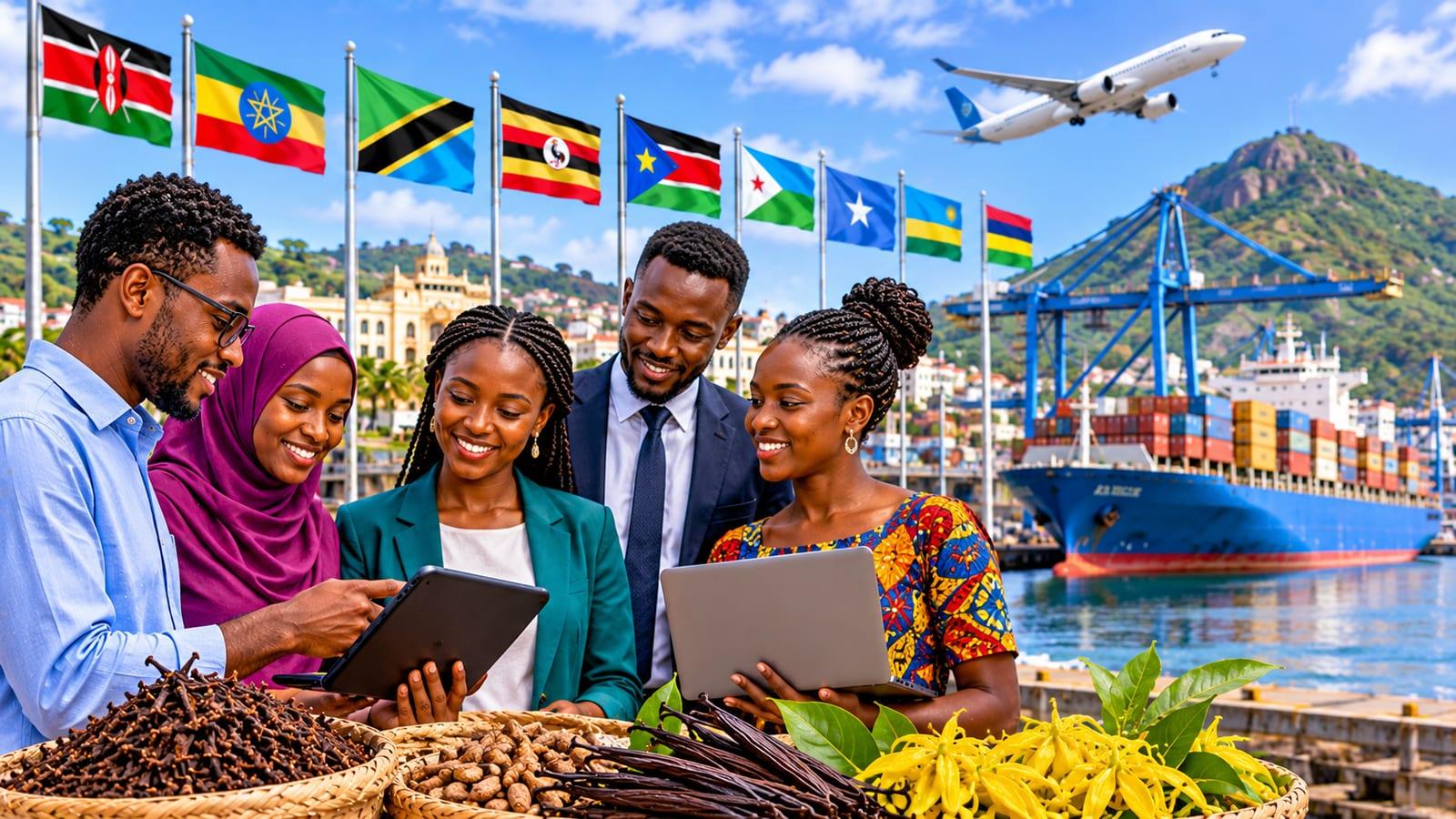
Blocs. Somalia joined the East African Community in 2024, giving it a place in a customs union with Kenya, Uganda, Tanzania, Rwanda, Burundi, South Sudan and DR Congo, though applying the EAC's common tariff will take years. It is also a member of COMESA, IGAD and the Arab League, and has signed the AfCFTA.
Ports. Mogadishu's port, run by Turkey's Albayrak group, handles most imports for the south. Bosaso in Puntland is a major livestock and trading port. Kismayo serves Jubaland and the far south. Berbera, in Somaliland, has been expanded by DP World and is marketed as an alternative route into Ethiopia, competing with Djibouti, with a road corridor running to the Ethiopian border. Ethiopia's search for sea access, including its 2024 agreement with Somaliland, caused a major dispute with Somalia that was eased by a Turkish-brokered deal in December 2024.
Roads and air. Roads are poor and often unsafe, with armed checkpoints that charge informal fees. Much internal trade, including food and khat, moves by air or by sea along the coast. Mogadishu's Aden Adde airport has been upgraded with Turkish support, and Turkish Airlines, Ethiopian Airlines and Somali private airlines connect the country to the region.
Electricity is supplied by private companies, often using diesel generators, and is among the most expensive in Africa.
Livestock processing. Somalia exports animals alive. Slaughterhouses, chilled and frozen meat, hides and skins, dairy and animal feed would add value and jobs, and a few modern abattoirs already ship meat to the Gulf.
Fisheries. Somalia's waters are among the richest in the western Indian Ocean. Licensing foreign fleets properly, building cold storage and processing plants, and supporting local fishers could turn this into a major export.
Farming. The river valleys of the south could grow far more sesame, maize, sorghum, fruit and vegetables with better irrigation, seeds and security. Somalia currently imports much of its food.
Energy. Electricity is supplied by private companies, often using diesel generators, and is among the most expensive in Africa. Solar and wind projects, many backed by development lenders, could cut costs sharply.
Finance, telecoms and construction. Banks, insurers and fintechs are growing from a low base, helped by mobile money. Construction is booming in Mogadishu and Hargeisa, much of it financed by the diaspora. Oil and gas exploration is at an early stage.
Doing business. Somali businesses are entrepreneurial and well connected through clan, diaspora and trade networks, especially with Dubai, Nairobi and Addis Ababa. Foreign firms usually work through local partners. Banking links with the outside world are limited, because international banks worry about money laundering and terrorist financing rules, and the IMF has pointed to gaps that Somalia still needs to close in its financial oversight. Contracts can be hard to enforce, regulations differ between the federal government and member states, and firms often face informal taxes from armed groups.
Risks and trade-offs
Security. Al-Shabaab attacks and the transition of the AU mission to Somali forces make security the biggest risk to people, goods and investment.
Climate. Repeated droughts, the worst in decades in 2021 to 2023, and floods kill livestock, wipe out harvests and push millions into hunger.
Aid cuts and dependence on money from outside. With imports far larger than exports, any fall in remittances or aid hits incomes quickly.
Politics. Disputes over the electoral model, the constitution and relations with member states, and with Somaliland and Ethiopia, can flare up and disrupt trade.
Concentration in livestock. A single Saudi ban on Somali animals, as has happened before, could cut export earnings sharply.
What this means for an African business
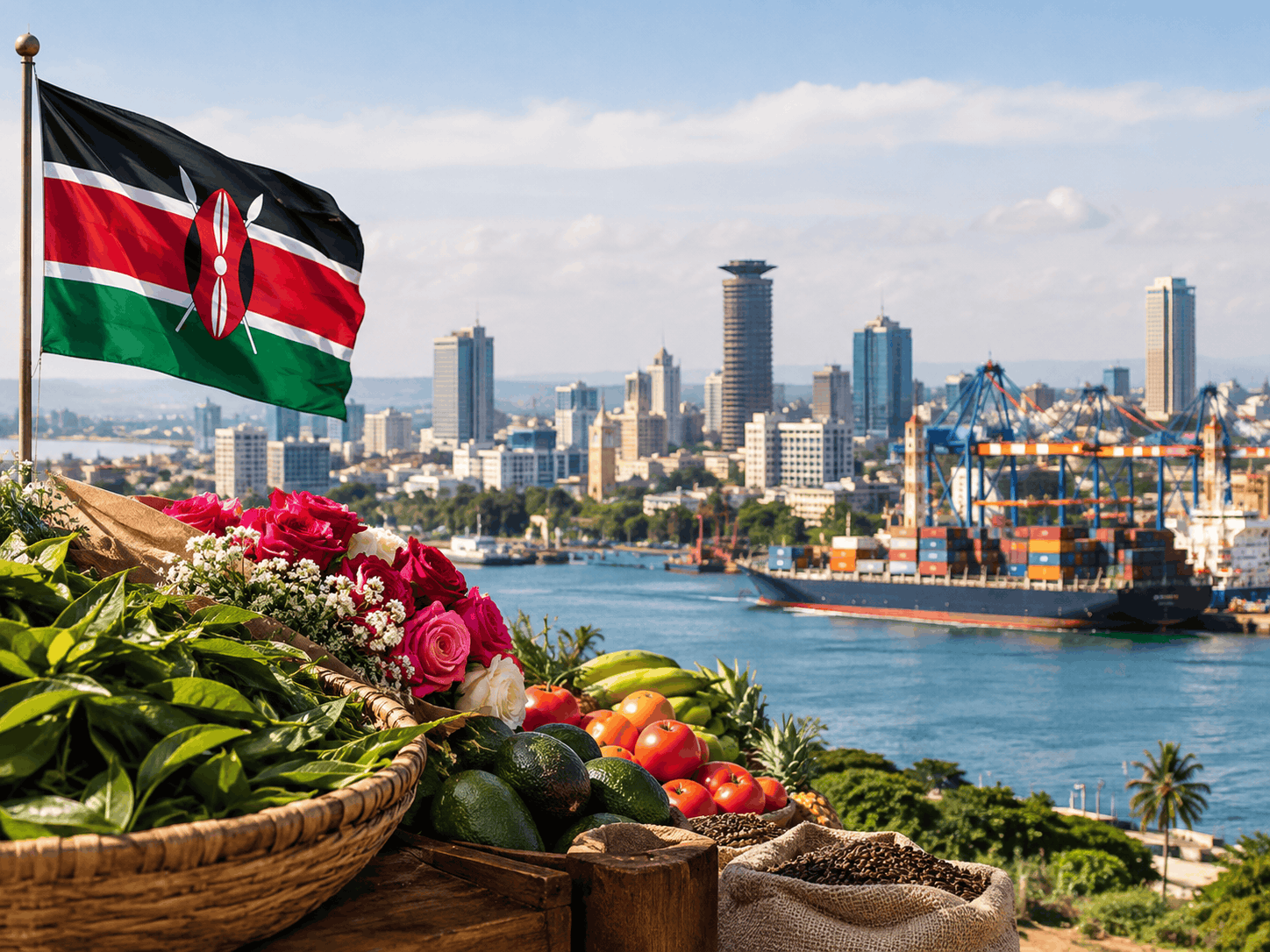
Somalia is a high-risk market, but it is also one of the more dynamic in East Africa. Its traders buy almost everything they need from abroad, so African suppliers of food, building materials, medicines, cement, steel, furniture and consumer goods can find buyers, especially with Somalia now inside the East African Community. Kenyan and Ethiopian firms already trade heavily with it, and Somali-owned businesses are major players in Nairobi's Eastleigh district, which acts as a hub for regional trade.
The opportunities look strongest in livestock and meat processing, fisheries, solar power, logistics through Berbera, Bosaso and Mogadishu, telecoms and fintech, and construction. The diaspora also invests in real estate, hotels and services.
The trade-offs are serious: insecurity, weak courts, limited banking links, informal taxes and political disputes. Firms that do well in Somalia rely on trusted local partners, check carefully who they are dealing with, and plan for disruption.
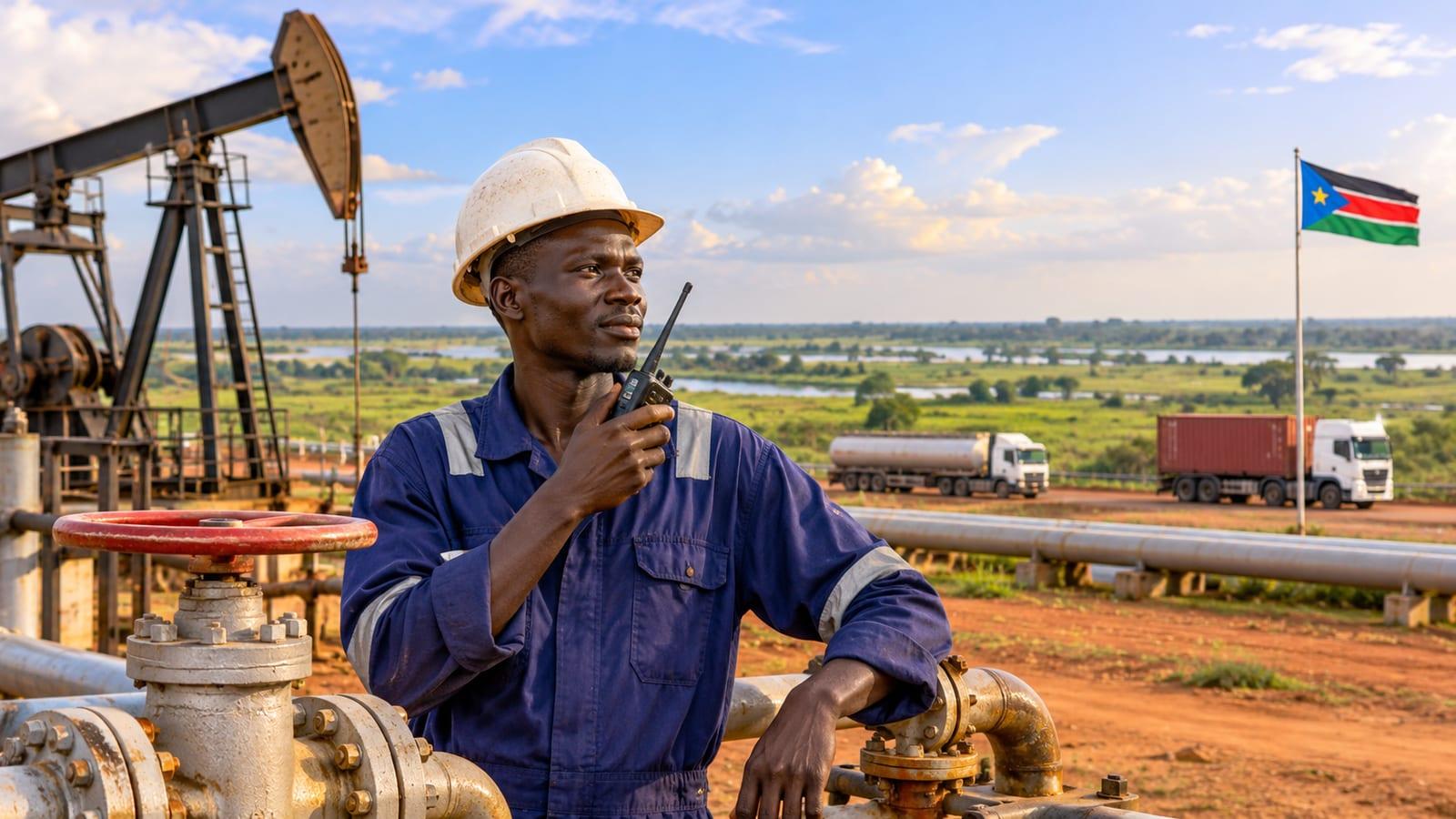
The next profile in the East Africa stage is South Sudan, Africa's youngest country, whose economy depends almost entirely on oil.
Sources
Somalia National Bureau of Statistics, Gross Domestic Product 2025, June 2026
IMF, Staff Concludes 2026 Article IV Consultation Mission to Somalia, 5 October 2026
IMF, World Economic Outlook, October 2026
Ecofin Agency, Somalia targets record US$1 billion in livestock exports for 2025
Central Bank of Somalia, 2025 annual report
World Bank, personal remittances received, Somalia