
Ntanda Safaris: The Women Bringing More of Zambia into Focus
Kerry Macfarlane grew up in the South Luangwa Valley and founded Ntanda in 2013 to show travellers more of Zambia than its wildlife. Today a team of ten women plans journeys that bring in local art, food, guides and owner-run camps, so more of the money from tourism stays in the country.
When Kerry Macfarlane founded Ntanda in 2013, she wanted to give travellers a more personal understanding of Zambia. The country's wildlife was already drawing visitors from around the world, but she believed there was much more for people to experience, from its cultures and history to its food, art and the places that rarely feature in familiar safari itineraries.
Her connection to Zambia began long before the company existed. Kerry spent part of her childhood in the South Luangwa Valley, where her parents built and ran a safari lodge. Growing up around the wilderness gave her an early appreciation of the country's wildlife and the people whose lives are connected to it. Years later, that experience would influence the kind of tourism business she wanted to establish.
Ntanda was built around the idea that visitors should have the opportunity to get to know Zambia beyond its most recognised attractions. Its journeys bring together wildlife, local experiences and cultural encounters, with an emphasis on working with businesses and people based in the country.
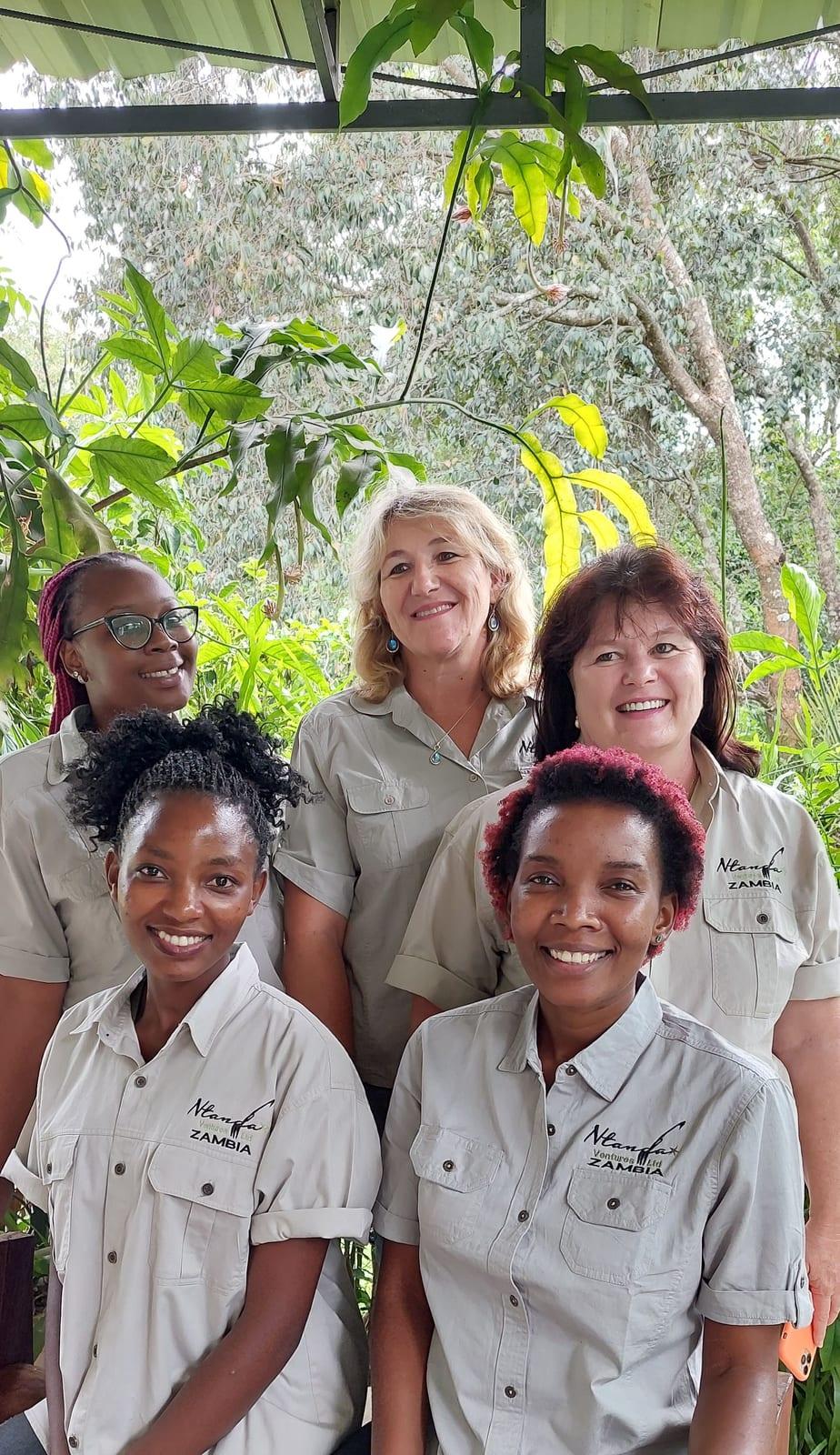
Christina joined Kerry in 2016, and together they have continued to develop the company. Today, Ntanda describes itself as a women-led Zambian safari business, with a team of women contributing to its planning, operations and guest experiences.
A Childhood Connection to the Luangwa Valley
Kerry's memories of growing up in the South Luangwa Valley remain an important part of her understanding of Zambia. Living in a place where wildlife was part of everyday life gave her an appreciation of the natural environment that has stayed with her throughout her career.
One particular memory stands out. As a child, she witnessed an attempt to rescue a black rhino that had become trapped in mud. The animal was eventually freed, but the experience remained with her, particularly because black rhinos later disappeared from South Luangwa.
The history of black rhinos in Zambia gives this memory an additional significance. The country lost its national black rhino population in 1998 following years of poaching. Their reintroduction began in North Luangwa National Park in 2003, supported by conservation organisations and the Zambian authorities. The recovery of the species in North Luangwa has since provided renewed hope for its future in the country.
For Kerry, knowing that black rhinos have returned to North Luangwa is encouraging. Her childhood experience also helps explain why she sees a safari as more than an opportunity to observe animals. She wants visitors to understand the places they enter, the wildlife they encounter and the work involved in protecting them.
That perspective influences how Ntanda approaches its itineraries. Wildlife remains an important part of the experience, but the company also wants travellers to appreciate the communities, cultures and businesses that make up the wider destination.
A Name Connected to Zambia's Cultural Heritage
The name Ntanda carries a cultural meaning that reflects the company's wider outlook. Kerry explains that it is associated with stars in Bemba, one of Zambia's widely spoken local languages.
She is also drawn to the tradition of mbusa, sacred Bemba emblems used in the transmission of cultural knowledge and teachings between generations. These emblems have meanings connected to Bemba women's initiation traditions, with some knowledge reserved for those who have been initiated into the practice.
For Kerry, the cultural significance of the name goes beyond its association with the night sky. It connects to an idea she wants the company to represent: when people support one another, the benefits can extend beyond the individual.
As she puts it, "When you help another person or project, we all shine."
It is a guiding thought behind the way Ntanda approaches its business relationships. The company wants to build journeys that benefit travellers while creating opportunities for the Zambian businesses and individuals involved in delivering them.
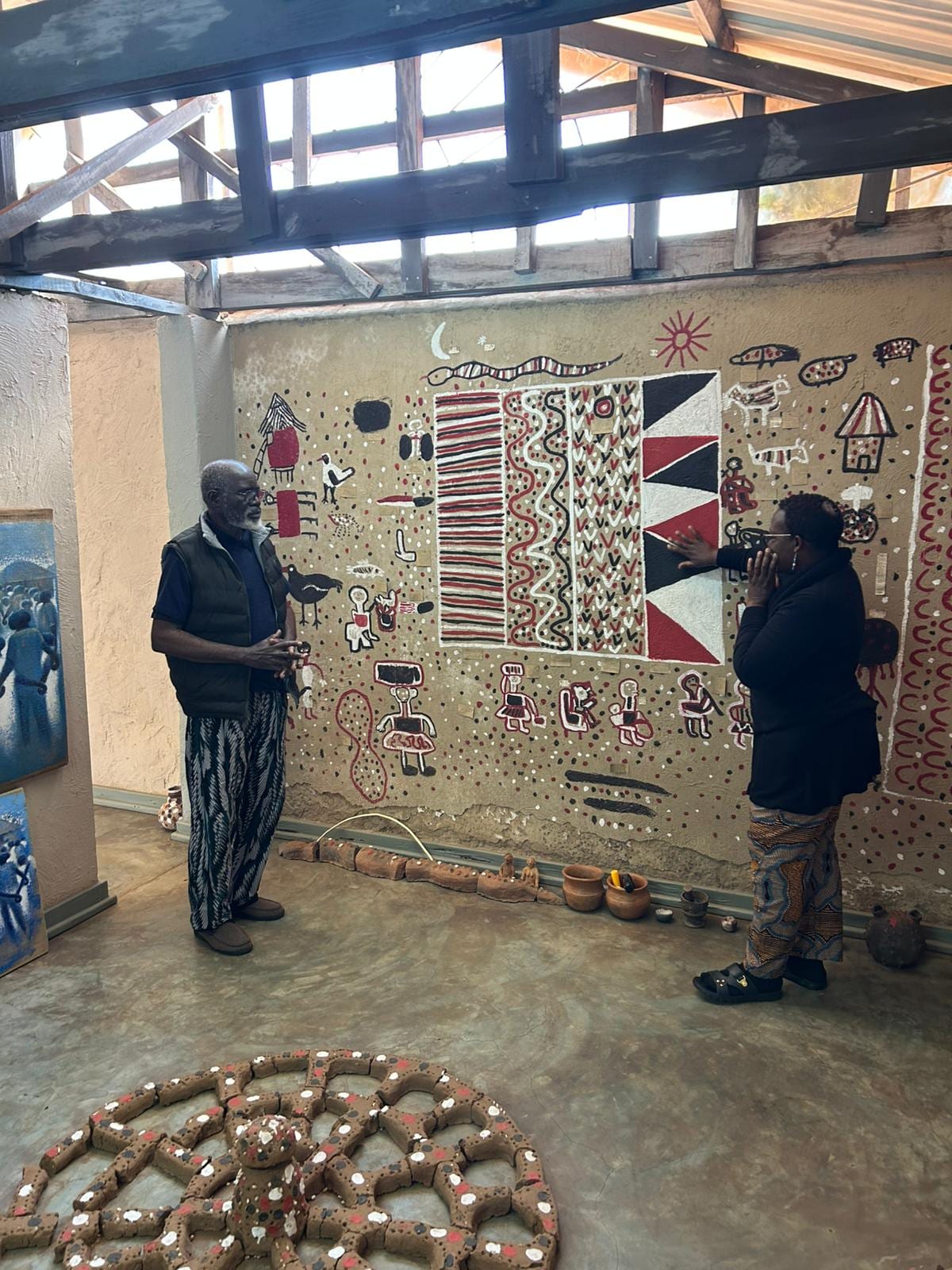
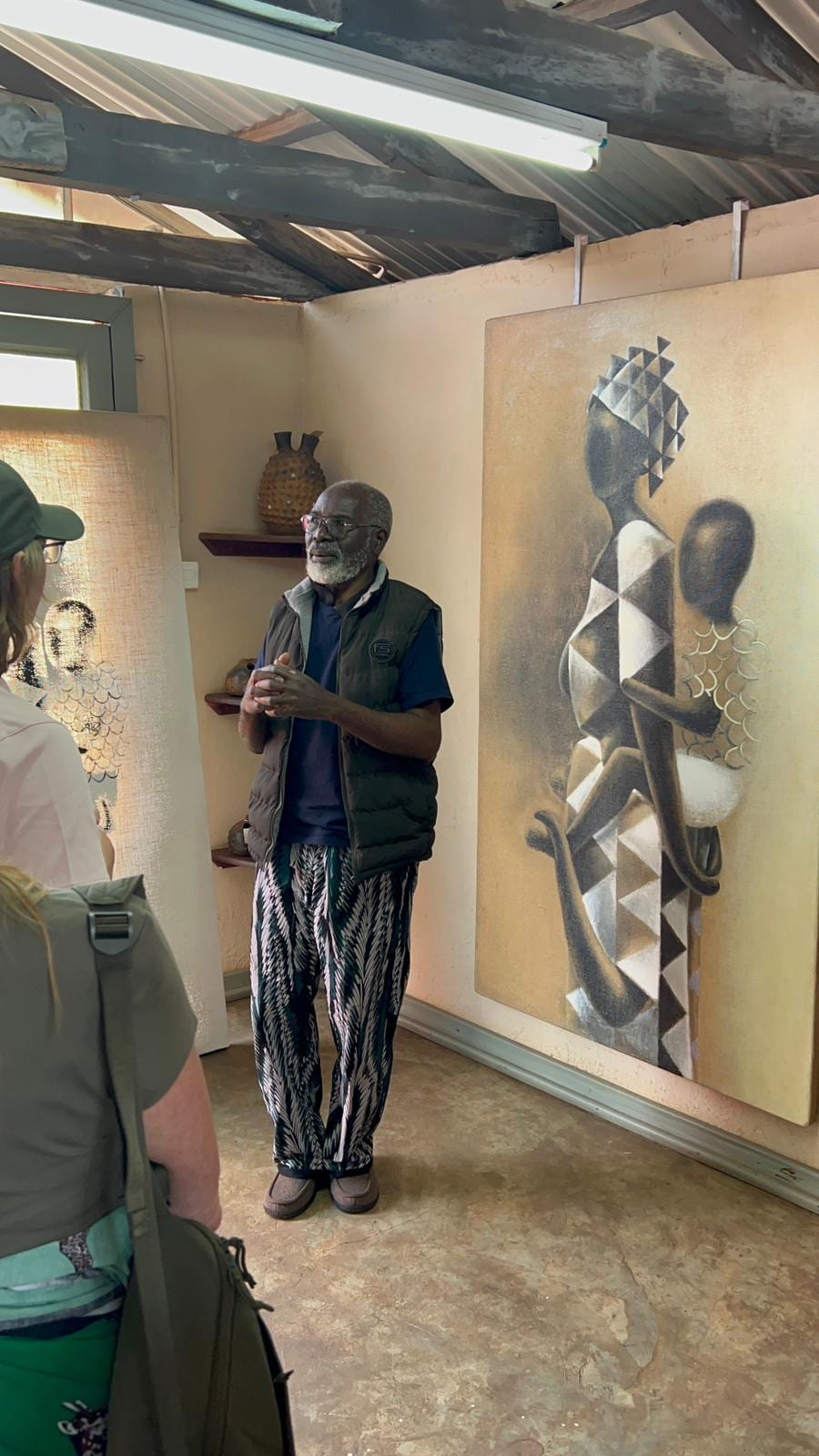
For visitors interested in learning more about Zambian art and cultural heritage, Kerry recommends Wayi Wayi Art Studio and Gallery in Livingstone. The gallery offers an opportunity to encounter local artistic expression and engage with the people creating it.
Looking Beyond the Familiar Safari Routes
Zambia is well known for its national parks, walking safaris and wildlife experiences. However, Kerry believes visitors should give themselves more time to explore the country beyond the destinations that usually dominate safari itineraries.
There is plenty to discover in places that travellers may already recognise. Livingstone, for example, is internationally associated with Victoria Falls, but visitors can also explore local art, food, crafts and the people who contribute to the city's cultural life.
The Luangwa Valley offers opportunities to experience Zambia's wilderness, but the people and communities around these protected areas are also part of the destination's story.
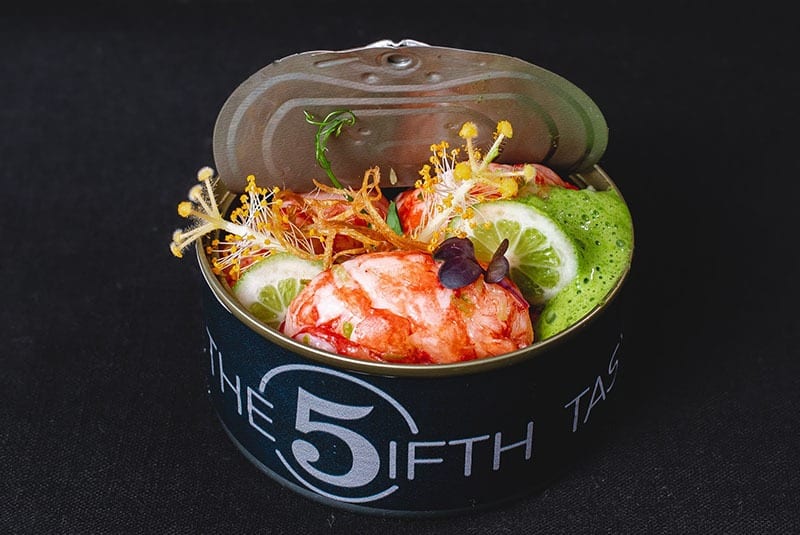
Ntanda tries to bring these experiences into its itineraries. Depending on the traveller's interests, a journey might include a visit to an art studio, a meal prepared by a local chef, time with a local guide or accommodation in an independently owned camp.
In Livingstone, the company recommends experiences such as Wayi Wayi Art Studio and Gallery, dining near Victoria Falls and the opportunity to see a moonbow when the conditions are right. It also works with Chef Sungani and local transport providers to incorporate different parts of the town into visitors' stays.
These activities allow travellers to experience more than the main attractions for which a destination is known. They also create opportunities for local businesses to serve visitors and earn income from tourism.
The Businesses Behind Every Journey
Planning a safari involves more than selecting a national park and booking accommodation. A journey depends on a network of businesses and individuals, including lodge owners, guides, transport operators, restaurants and people who organise cultural experiences.
Ntanda places considerable importance on the relationships it builds with these suppliers. Kerry says the company looks for locally based businesses wherever possible, particularly intimate, owner-run camps that offer character and a personal approach to hospitality.
However, local ownership is not the only consideration. Reliability, safety, service, local knowledge and value also influence the company's decisions when selecting partners.
These considerations are important because a poorly organised journey can affect both the visitor's experience and the businesses involved. Transport delays, accommodation problems or unreliable arrangements can disrupt an itinerary, particularly when travellers are moving between remote destinations.
Ntanda therefore works with suppliers with whom it can establish dependable working relationships. Kerry describes these partnerships as being built on trust, fair dealing and consistent service.
The company also wants more of the money generated by tourism to remain within Zambia. This means looking beyond the accommodation booking to consider the other services visitors use, the experiences they purchase and the businesses that benefit from their spending.
For a country where tourism involves many different operators, this approach creates opportunities for smaller enterprises to participate in the visitor economy.
A Team of Women Working Across Zambia
Ntanda's identity as a women-led company is closely connected to the people who run its daily operations.
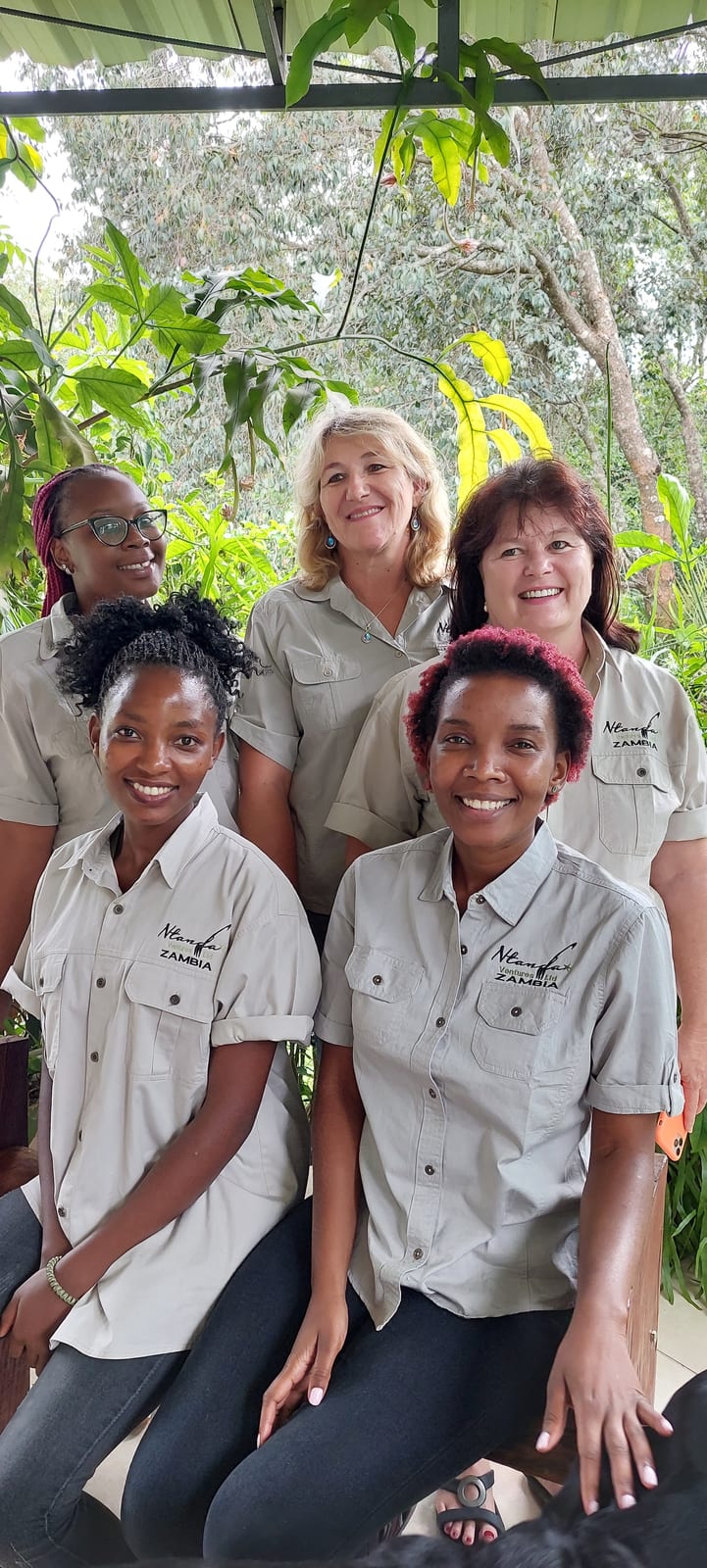
Kerry describes the company's team as ten women based across Zambia. Their local knowledge, commitment and familiarity with different destinations contribute to the planning and delivery of its journeys.
The importance of this team goes beyond the number of people employed. Having people who understand the country first-hand helps the company make informed decisions about destinations, suppliers and experiences.
It also gives the business access to local perspectives that might be missed when itineraries are planned entirely from outside the country.
For Kerry, creating employment in Zambia is an important part of running the company. She wants Ntanda to grow while continuing to provide opportunities for people who live and work in the country.
The team also plays a role in connecting visitors with businesses and experiences they might not discover through conventional travel arrangements. Their knowledge helps turn a list of destinations into journeys that reflect the interests of individual travellers.
Safari Sisters: Travelling Through Women's Perspectives
Ntanda has developed Safari Sisters as a women-only safari offering. The idea is to create opportunities for women to travel together while experiencing different aspects of Zambia.
The journeys combine wildlife with culture, food and opportunities to meet people working in the destinations being visited. Kerry is particularly interested in involving local female guides wherever possible, allowing visitors to learn about places through the knowledge and perspectives of women who work there.
This approach also creates opportunities to introduce travellers to women working in tourism and other local enterprises.
Guiding, accommodation, food and cultural experiences all involve people whose work contributes to the visitor experience. Meeting some of these individuals gives travellers a better understanding of the skills, knowledge and businesses behind the places they visit.
Safari Sisters is part of Ntanda's wider interest in making its journeys more personal and varied. It also reflects the company's own experience as a women-led business.
While the offering is designed for women travelling together, Ntanda's wider range of journeys serves different types of visitors, including solo travellers, couples, families and multi-generational groups.
Who Travels to Zambia?
Ntanda works with travellers from different parts of the world and organises a range of safari arrangements, from fully guided journeys to self-drive holidays.
Kerry identifies the United States, the United Kingdom and Germany as the company's three largest source markets. She also estimates that approximately 20 per cent of its travellers come from Zambia or other African countries.
The presence of African travellers is particularly encouraging to her. Since 2020, Ntanda has noticed more Zambians showing interest in exploring their own country.
The pandemic encouraged many people to reconsider travel closer to home, and the company observed growing interest in domestic destinations. Kerry has also seen more small travel agencies serving the domestic market and locally owned accommodation businesses catering to residents.
However, interest does not automatically translate into bookings. The cost of travelling within Zambia and the ease of reaching different destinations remain important considerations.
Well-priced journeys and accessible travel arrangements could help more residents and regional visitors experience the country's tourism offerings.
For Ntanda, catering to different markets means understanding that travellers do not all have the same budgets, interests or expectations. The company therefore works with different accommodation options and itinerary styles to meet the needs of its guests.
The Challenges Facing Zambian Tourism
Kerry is optimistic about Zambia's tourism potential, but she also recognises the challenges that affect the industry.
Road conditions and air connectivity remain significant concerns, particularly for travellers who want to explore destinations outside the established tourism circuits. Reaching some parts of the country can require considerable planning, and transport costs can influence which destinations visitors choose to include in their journeys.
International destination marketing is another area where she believes Zambia needs sustained attention. Raising awareness of the country's attractions is important, but that awareness must translate into bookings and business for operators across the industry.
Smaller tourism companies face additional pressures. The cost of doing business can be high, making it difficult for locally based enterprises to compete, invest and expand.
Kerry believes that improving access, strengthening international promotion and making it easier for smaller businesses to participate would benefit the wider industry.
For her, tourism growth should not be measured only by the number of visitors entering the country. It should also be considered in terms of the businesses receiving bookings, the people finding employment and the communities benefiting from economic activity.
This is particularly relevant in a destination such as Zambia, where tourism experiences often involve several businesses across different locations.
Building the Next Chapter of Ntanda
Ntanda's next chapter will continue to focus on helping travellers discover more of Zambia through journeys that combine wildlife, culture and less familiar experiences.
Kerry is particularly interested in developing Safari Sisters, strengthening the company's guided journeys and creating more opportunities for visitors to meet local people and businesses.
Growth, however, does not mean abandoning the approach on which the company was built. Personal service, local knowledge and trusted supplier relationships remain important to how Ntanda wants to operate.
For Kerry, the ambition is to contribute to a tourism industry that protects Zambia's natural and cultural heritage while creating opportunities for the people who call the country home.
Her childhood in the Luangwa Valley gave her an early connection to Zambia's wilderness. Building Ntanda has allowed her to share that connection with visitors, while also introducing them to the people, businesses and experiences that make up the country beyond its wildlife.
And perhaps that is what the name Ntanda represents most clearly in the way Kerry wants the business to operate. When local businesses, guides, accommodation providers, artists and communities have opportunities to participate in tourism, the benefits can extend well beyond the visitor's holiday.
“When you help another person or project, we all shine.”
In pictures

What they offer
- Guided safaris
- Self-drive holidays
- Safari Sisters women-only trips
- Cultural and food experiences
- Family and multi-generational trips
Questions people ask
Who runs Ntanda Safaris?
Ntanda was founded in 2013 by Kerry Macfarlane, who grew up in Zambia's South Luangwa Valley. Christina joined her in 2016, and the company is run by a team of ten women based across Zambia.
What does the name Ntanda mean?
Ntanda is linked to stars in Bemba, one of Zambia's widely spoken languages. Kerry sums up the idea behind it as: "When you help another person or project, we all shine."
What is Safari Sisters?
Safari Sisters is Ntanda's women-only safari. It mixes wildlife with culture and food, and uses local female guides wherever possible.
What can visitors do in Livingstone besides Victoria Falls?
Ntanda suggests Wayi Wayi Art Studio and Gallery, dining near Victoria Falls, a meal by Chef Sungani and, when conditions are right, seeing a moonbow at the falls.
Who does Ntanda plan trips for?
Solo travellers, couples, families and multi-generational groups, from fully guided journeys to self-drive holidays.
Reviews
No reviews yet. Been here? Be the first to say how it was.
Apply
Want your story told here?
Fill in the application form. Our editors read every one, and if your story is a fit, we'll get back to you.
Read the Terms of Reference (PDF)